The Fundamentals of Architectural Painting for HOAs & COAs: Protecting Buildings, Budgets, and Community Appeal

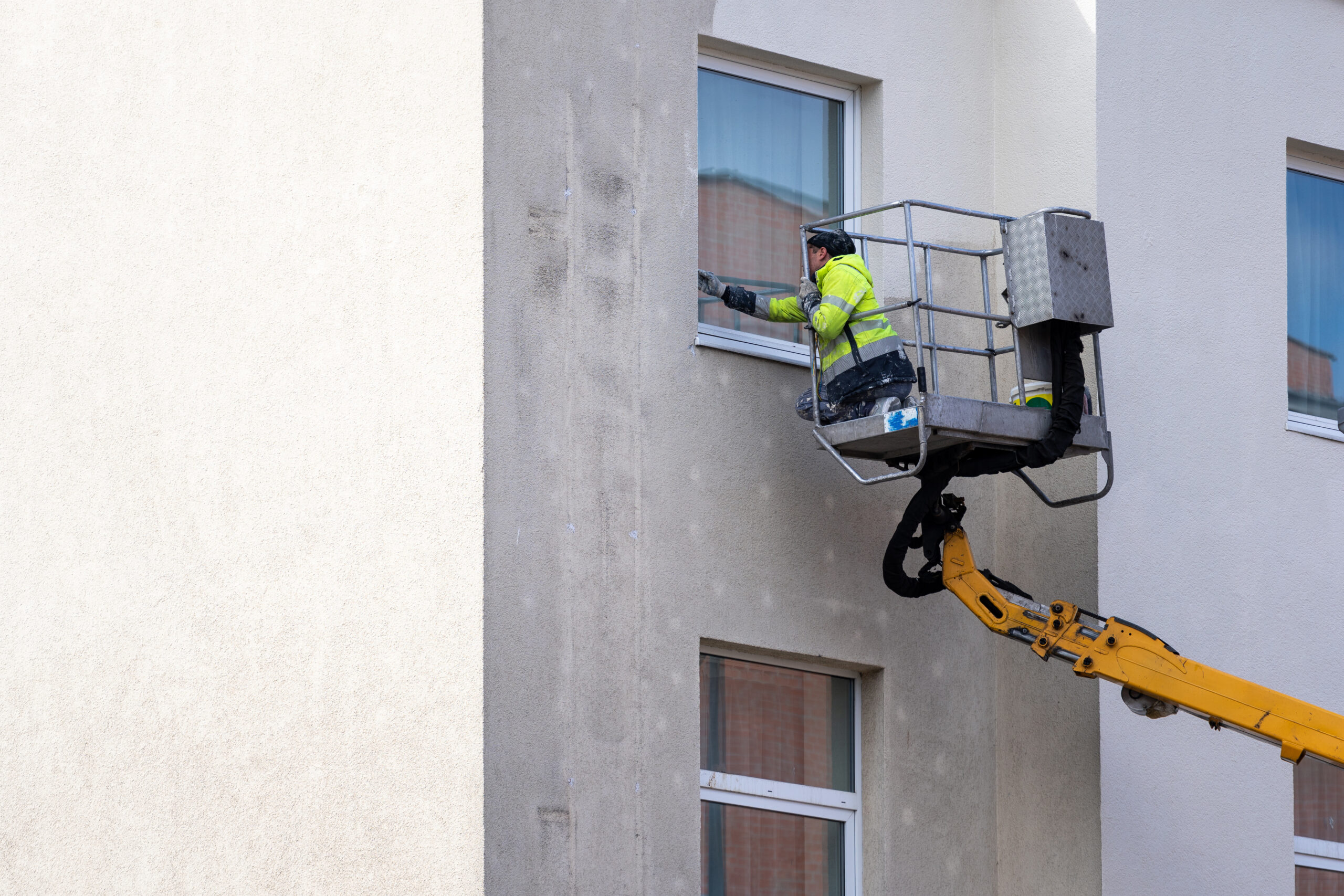
The Fundamentals of Architectural Painting for HOAs & COAs: Protecting Buildings, Budgets, and Community Appeal

Written by Heidi Hensell

February 17, 2026

Table of Contents

Share

Link copied to clipboard!

In a homeowners’ or condominium association, architectural painting is much more than a cosmetic refresh. It is a protective system, a budget strategy, and a visible statement of a community’s pride in its homes and shared spaces. When executed correctly, architectural painting safeguards buildings from environmental exposure, extends useful life cycles, and supports both property value and resident satisfaction.

Think of it as a quiet maintenance hero—wrapping buildings in a protective shell that keeps moisture, UV exposure, and environmental wear at bay. Without that protection, surfaces deteriorate faster, repairs become more frequent, and reserve planning becomes unpredictable.

Preparation Comes First — And It Protects the Reserve Fund

The most important phase of any community painting project happens before the first coat is applied. Proper preparation is what allows coatings to perform as designed and reach their expected service life.

Preparation typically includes:

  • Pressure washing and surface cleaning
  • Treating mildew, algae, and chalking
  • Repairing cracks and substrate fractures
  • Scraping failing coatings and sanding edges
  • Priming exposed or porous areas

For HOAs and COAs, preparation is a financial safeguard. Cutting corners during prep often leads to premature coating failure, stucco and substrate deterioration, and shortened repaint cycles. Good preparation protects buildings—and just as importantly, it protects the reserve schedule.

Substrates Matter Across Community Buildings

Most communities contain multiple surface types across:

  • Condo towers and mid-rises
  • Townhome façades
  • Clubhouses and amenities
  • Metal railings, doors, and balconies
  • Wood trim, pergolas, and architectural accents


Each material behaves differently under heat, humidity, coastal exposure, and daily movement. Using the wrong coating system can result in blistering, cracking, or peeling—turning a repaint into a repair project.

Professional architectural painting evaluates substrate condition, expansion behavior, moisture exposure, and environmental stressors before selecting materials and application methods.

Coating Selection Is a Maintenance Strategy

For associations, coatings directly influence:

  • Longevity of the building envelope
  • Timing of reserve expenditures
  • Moisture and crack protection
  • Fade resistance and visual consistency

The right coating system extends lifecycle intervals, allowing communities to keep repaint cycles predictable and budget-friendly. Architectural painting is not simply a beautification project—it is responsible community stewardship, wrapped in color.

Popular in the Community

ChatGPT Image Mar 3, 2026, 02_49_32 PM
How Florida’s Insurance Market Impacts Condo and HOA Associations
Explore how Florida’s insurance market affects condo and HOA associations, including rising premiums,...

Learn more
ChatGPT Image Mar 3, 2026, 02_38_59 PM
Best Practices for HOA and Condo Websites and Owner Portals
Discover best practices for HOA and condo association websites and owner portals. Improve transparency,...

Learn more
ChatGPT Image Mar 3, 2026, 02_26_59 PM
Using Technology to Track Violations and Maintenance in Condo Associations
Learn how condo associations use technology to track violations and maintenance efficiently. Improve...
Learn more