Best Practices for HOA and Condo Websites and Owner Portals

Written by Chris Abbott

April 9, 2026

Table of Contents

Share

Link copied to clipboard!

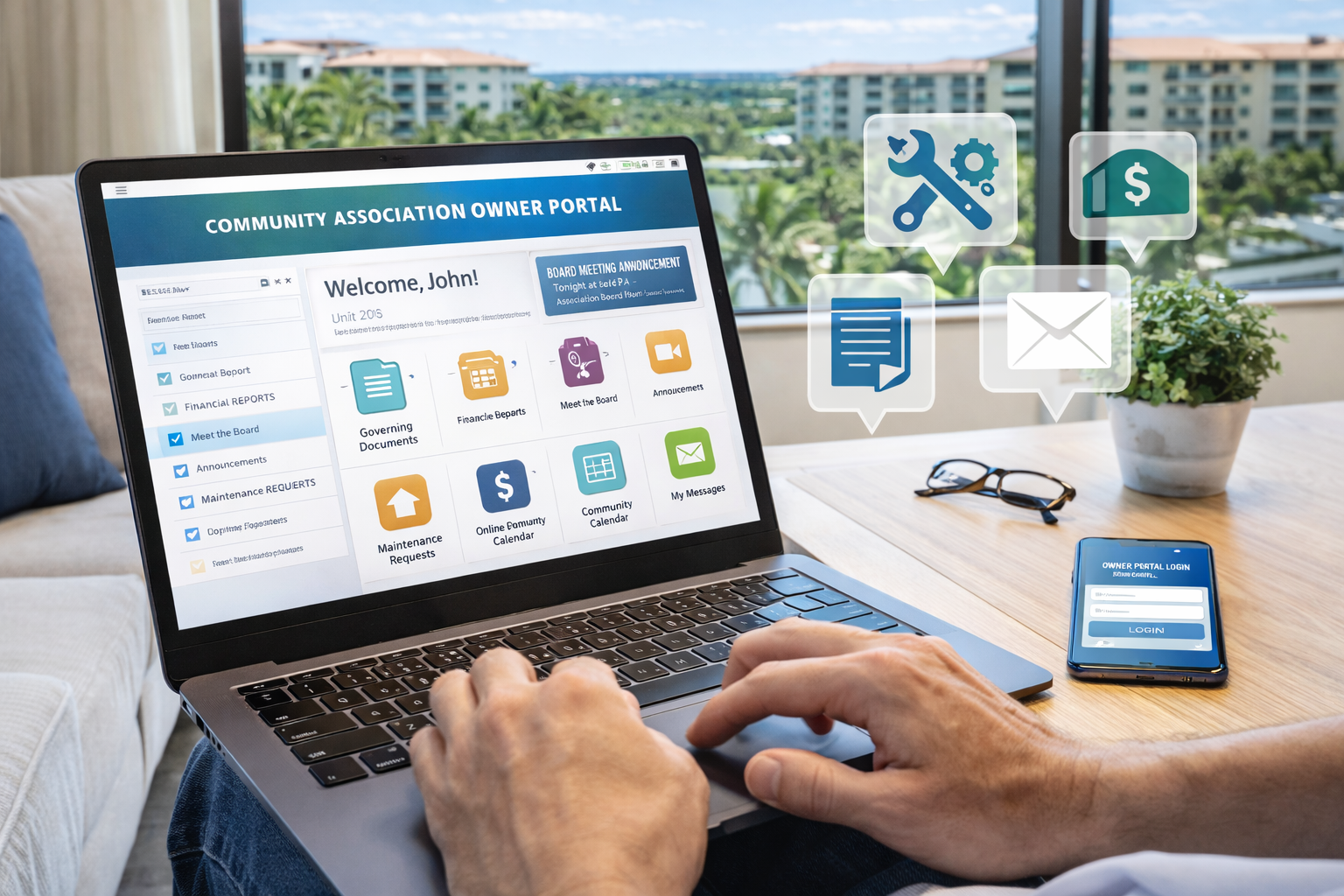
A well-designed HOA or condo association website is more than a convenience—it is a central communication hub that supports transparency, efficiency, and owner engagement. Associations that follow proven best practices create a smoother experience for boards, managers, and residents alike.

Prioritize Clear Organization and Easy Navigation

Owners should be able to quickly locate essential information without frustration. Key sections should include:

  • Governing documents (declarations, bylaws, rules)

  • Meeting agendas and approved minutes

  • Financial summaries and budgets

  • Maintenance updates

  • Contact information for management and the board

Cluttered layouts, broken links, or outdated pages undermine trust and reduce usability. A clean, structured design improves accessibility and encourages regular use.

Keep Content Accurate and Up to Date

Outdated documents or expired announcements create confusion and increase unnecessary inquiries. Assigning responsibility—whether to management or a designated board member—ensures content remains current.

Best practices include:

  • Posting timely updates after board meetings

  • Removing outdated notices

  • Updating financial summaries regularly

  • Clearly labeling document versions and dates

Consistency reinforces credibility and professionalism.

Maintain Strong Security and Privacy Controls

Owner portals often contain sensitive information, including financial data, account balances, or personal contact details. Secure logins, password protection, and role-based access controls are essential.

Associations must balance transparency with privacy obligations by restricting access to confidential records while still providing owners with appropriate information.

Regular software updates and secure hosting platforms further reduce cybersecurity risks.

Support Two-Way Interaction

Modern HOA and condo portals should do more than display information—they should facilitate engagement. Features such as:

  • Online maintenance request submissions

  • Digital document downloads

  • Automated assessment payment options

  • Community announcements

  • Secure messaging systems

  • Help streamline operations and reduce administrative workload.

Interactive tools improve response times and enhance overall efficiency.

Strengthening the Community Through Technology

When used effectively, HOA and condo websites and owner portals strengthen communication, support compliance, and improve owner satisfaction. A well-managed digital platform promotes transparency, reduces confusion, and creates a more connected, informed community.

Investing in a professional, secure, and organized online presence is no longer optional—it is a foundational component of modern association management.

Popular in the Community

ChatGPT Image Mar 3, 2026, 02_49_32 PM
How Florida’s Insurance Market Impacts Condo and HOA Associations
Explore how Florida’s insurance market affects condo and HOA associations, including rising premiums,...
Learn more
ChatGPT Image Mar 3, 2026, 02_38_59 PM
Best Practices for HOA and Condo Websites and Owner Portals
Discover best practices for HOA and condo association websites and owner portals. Improve transparency,...
Learn more
ChatGPT Image Mar 3, 2026, 02_26_59 PM
Using Technology to Track Violations and Maintenance in Condo Associations
Learn how condo associations use technology to track violations and maintenance efficiently. Improve...
Learn more