Sinkholes and Community Associations in Florida: What You Need to Know

Sinkholes and Community Associations in Florida: What You Need to Know
Written by Heidi Hensell

December 12, 2025

Table of Contents

Share

Link copied to clipboard!

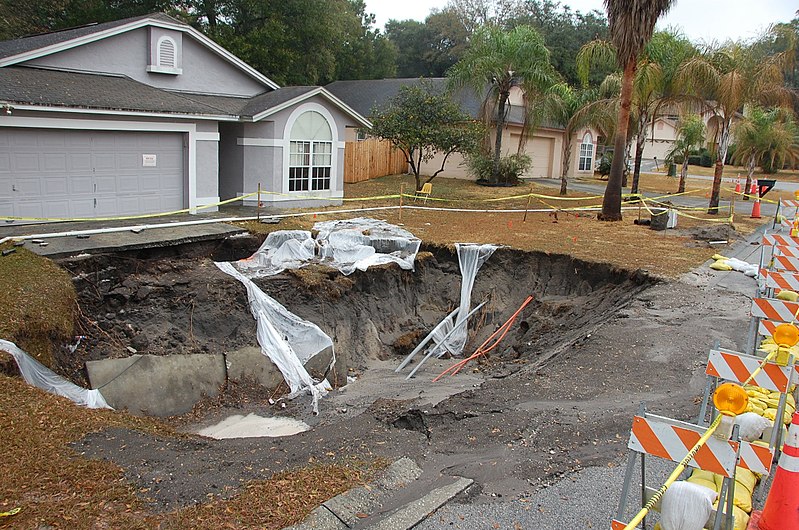
Florida is celebrated for its sunshine and beaches—but also, unfortunately, for sinkholes. For community associations across the state, sinkholes bring unique challenges that go far beyond simple repairs. They can affect property values, safety, and legal obligations, especially in shared‑living environments like condos and HOAs.

Why Florida is Especially Vulnerable

Florida’s geology is primarily made up of limestone, a porous rock that dissolves over time as underground water moves through it. When the ground can’t support what’s on top, the surface suddenly collapses—creating a sinkhole. Conditions that trigger sinkholes include heavy rains, prolonged droughts, shifts in groundwater, or nearby construction and excavation.

What Sinkholes Mean for Community Associations

In associations, shared land and interconnected structures complicate how sinkhole events are managed:

    • Property Damage: A sinkhole on common property can damage roads, amenities like pools or sidewalks, and multiple units.

    • Insurance Coverage: Not all insurance policies cover sinkhole damage. Associations must ensure their master policy includes sinkhole or ground collapse protection, and unit owners should verify their individual policies.

    • Responsibility & Repairs: Typically, the association is responsible for stabilizing and repairing common areas, while unit owners may be responsible for interior damage. Governing documents and Florida law often dictate who does what.

Signs to Watch For

Early detection can save thousands of dollars and prevent crises. Community managers and residents should monitor for:

  • Cracks in walls, foundations, or tile/floor surfaces

  • Doors or windows that no longer seal or close properly

  • Depressions, sunken or soft spots in lawns, common areas, or paved surfaces

  • Tilting fences, leaning trees, or shifts in exterior structures

Proactive Measures & Best Practices

  1. Insurance Audit & Policy Review
    Ensure the association’s master policy includes sinkhole/ground collapse coverage. Encourage unit owners to check individual policies.
  2. Regular Inspections & Monitoring
    Schedule structural inspections, especially after heavy rainfall or drought. Document any signs of shifting ground or building movement early.

  3. Clear Governing Documents
    Make sure bylaws or declaration explicitly define responsibilities for sinkhole repair, including what constitutes common area vs. unit owner damage.

  4. Risk Mitigation Planning
    Identify higher‑risk zones (e.g. community areas with porous soil, near water runoff, or undergoing construction). Plan stabilization or remediation measures in the association’s budget.

  5. Effective Communication
    Inform residents about sinkhole risks, warning signs, and responsibilities. Transparently share inspection findings and remediation plans.

Final Thoughts

Sinkholes are a reality in Florida, but with preparation, strong insurance coverage, and proactive monitoring, community associations can greatly reduce risk. By acting early and clearly defining roles and responsibilities, associations protect not only infrastructure, but the safety, value, and peace of mind for all residents.

Popular in the Community

aGVp03fc4bHWi-Lo_APM-HOA-President-Duties-blog
How to Choose the Right HOA or Condo President for Strong Community Leadership
Learn how to choose the right HOA or condo association president to ensure strong leadership, financial...

Learn more
shutterstock_2356241977
Choosing the Right Bank for Your HOA or Condo Association: What Boards Need to Know
Learn how to choose the right bank for your HOA or condo association, including key features like reserve...

Learn more
ChatGPT Image Mar 19, 2026, 11_47_23 AM
Best Property Management Software for HOAs and Condos: How to Choose the Right Platform
Discover how to choose the best property management software for HOAs and condos, including platforms...
Learn more

Navigating the Condo Market: Trends and Insights for Buyers and Owners
Navigating the Condo Market: Trends and Insights for Buyers and Owners

Written by Heidi Hensell

December 11, 2025

Table of Contents

Share

Link copied to clipboard!

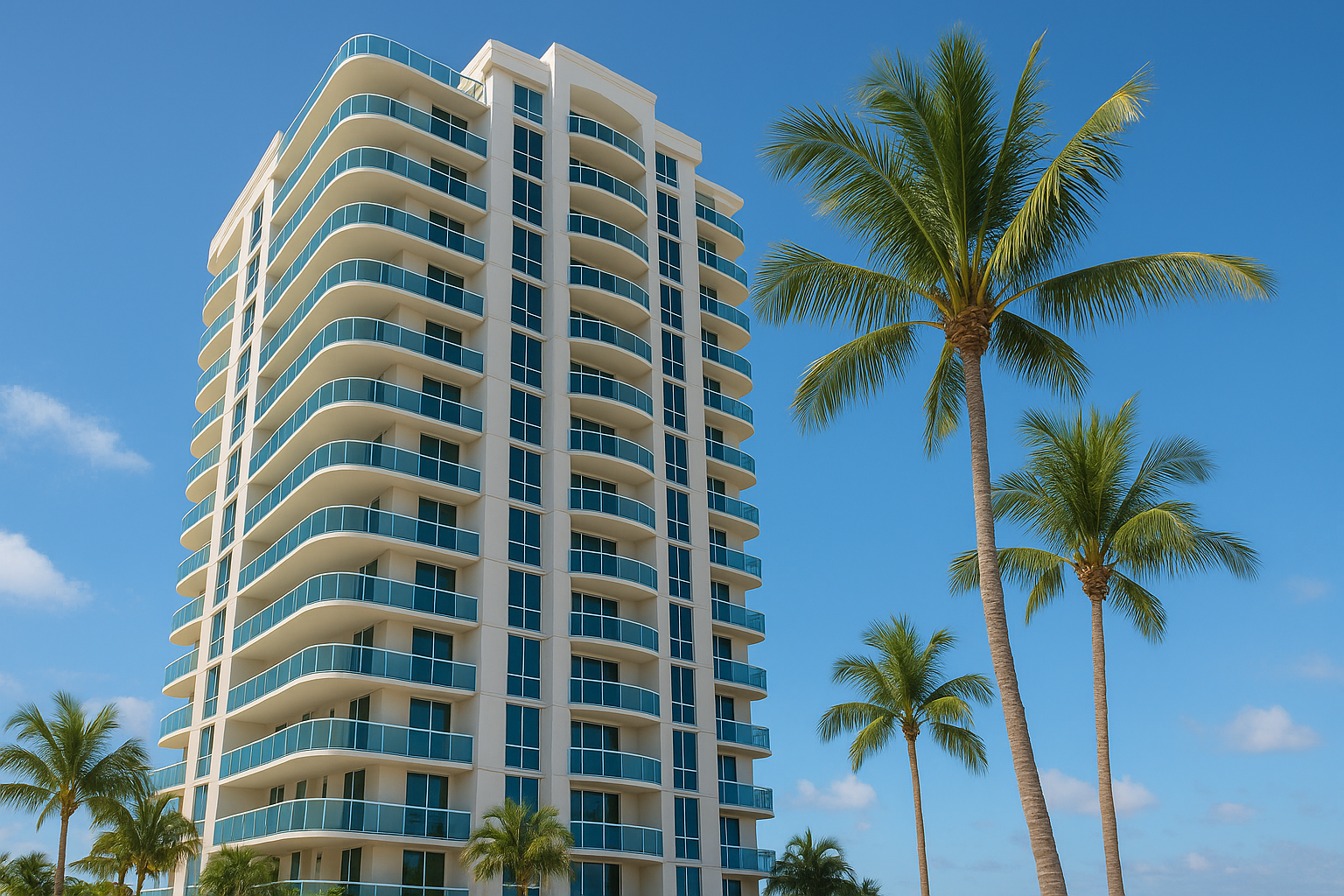
Understanding the condo market is essential for homeowners, prospective buyers, and real estate professionals alike. Condominiums offer low-maintenance living and shared amenities, appealing to first-time buyers, retirees, and urban dwellers. However, they also come with unique considerations around affordability, financing, and association fees.

Current Condo Market Trends

The condo market is experiencing a notable cooling, particularly in high-density urban areas and Florida resort destinations. Here’s what’s happening:

  • Declining Sales Volume: Condo sales have dropped sharply, reaching levels not seen since 2012. One recent report noted that sales fell to 360,000 units in May, marking a steep decline from recent years.

  • Buyer’s Market Emergence: Listings are outpacing demand—there are approximately 83% more condo sellers than buyers nationally. Accordingly, nearly 68% of condos sold below list price at the beginning of 2025—the lowest such share in five years.

  • Specific Regional Weakness: Florida is experiencing significant downward pressure. Condo prices fell by around 2% in May alone—one of the most dramatic drops on record—and sales declined even more, particularly in areas like Miami.

  • Development and Inventory Outlook: Although an influx of new condo construction in Florida is expected to help rebalance inventory by 2025–2026, this might extend current oversupply challenges in the interim

Financing & HOA Considerations

  • Interest Rates & Affordability: Higher mortgage rates have reduced the pool of eligible buyers, making units harder to finance and slowing overall activity.

  • HOA Fees & Association Health: Beyond the sticker price, buyers must consider monthly HOA dues, reserve health, and policy rules. These ongoing fees can significantly impact affordability and long-term value.

Urban vs. Resort Condo Dynamics

  • Urban Condos: Demand remains relatively stable in core urban markets where condos serve as primary housing options for professionals and commuters.

  • Resort and Vacation Condos: These properties are facing seasonal demand shifts and are deeply influenced by short-term rental regulations, tourism trends, and economic uncertainty.

Key Takeaways for Buyers and Owners

  1. Leverage Buyer’s Market Conditions
    With more sellers than buyers, well-researched buyers could negotiate favorable prices.
  • Prioritize Financial Health of the Association
    Review HOA budgets, reserve funds, meeting minutes, and bylaw policies before purchasing.

  • Understand Market Type
    Know whether the unit is in a dense urban core or tourist-dependent area—a key factor in pricing and liquidity.

  • Plan for Long-Term Ownership
    Maintenance, governance, and location remain top drivers of condo value over time—not just market fluctuations.

Popular in the Community

aGVp03fc4bHWi-Lo_APM-HOA-President-Duties-blog
How to Choose the Right HOA or Condo President for Strong Community Leadership
Learn how to choose the right HOA or condo association president to ensure strong leadership, financial...
Learn more
shutterstock_2356241977
Choosing the Right Bank for Your HOA or Condo Association: What Boards Need to Know
Learn how to choose the right bank for your HOA or condo association, including key features like reserve...
Learn more
ChatGPT Image Mar 19, 2026, 11_47_23 AM
Best Property Management Software for HOAs and Condos: How to Choose the Right Platform
Discover how to choose the best property management software for HOAs and condos, including platforms...
Learn more

Why Proper Pipe Placement Matters in Community Associations
Why Proper Pipe Placement Matters in Community Associations

Written by Heidi Hensell

December 10, 2025

Table of Contents

Share

Link copied to clipboard!

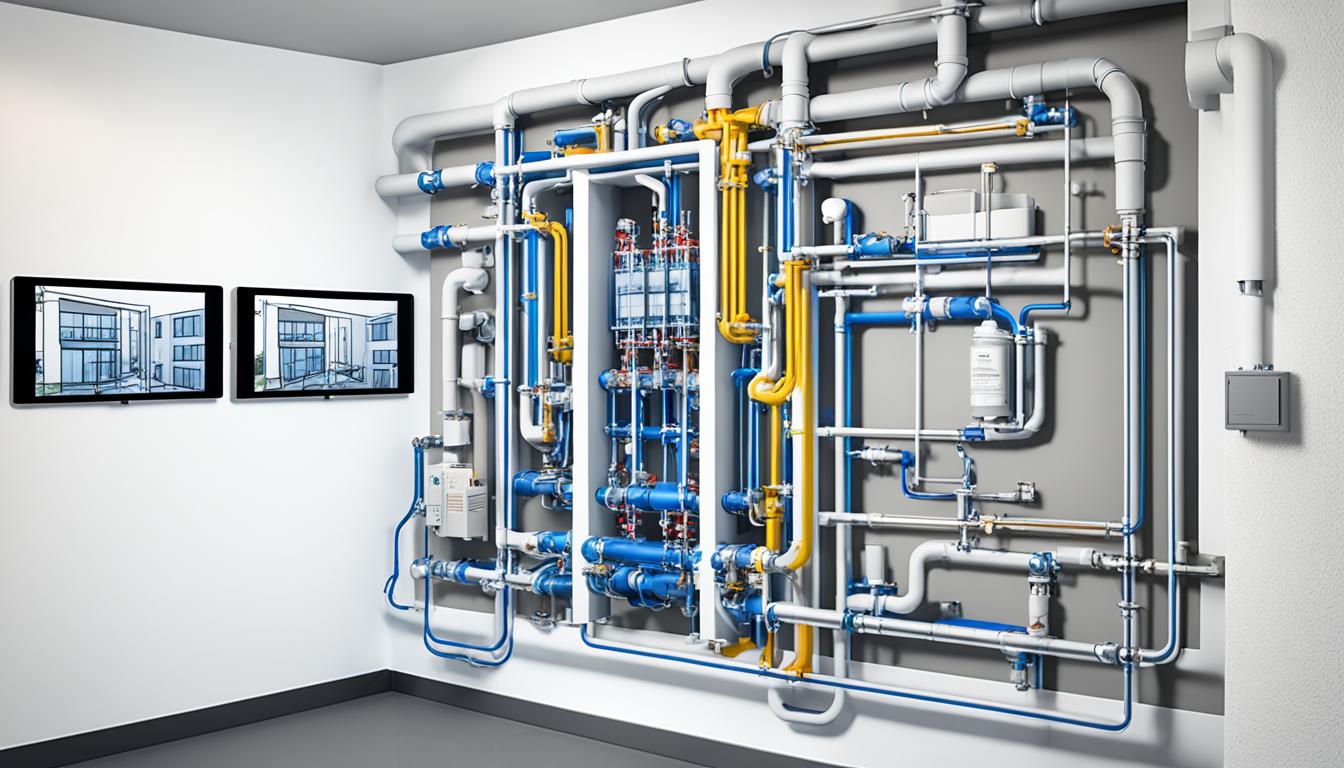
Maintaining shared infrastructure in condos, townhomes, or other community associations often brings focus to visible features—but one foundational aspect that’s frequently overlooked is pipe placement. How plumbing is routed and installed can affect everything from repair costs and unit owner responsibilities to community harmony and insurance risks.

Shared Responsibilities & Hidden Risks

In many community associations, plumbing systems run through multiple units or common areas. This raises critical questions:

  • Who is responsible when a pipe leaks or bursts—unit owner or association?

  • What if the pipe is hidden: behind walls, under floors, or inside concrete?

Poor pipe placement, especially in older constructions, often leads to invasive, costly repairs. Shared or common walls complicate responsibility. When pipes are concealed, detecting damage can be slow, letting problems escalate.

Key Considerations for Managers & Boards

1. Accessibility for Maintenance

Pipes should be installed so they’re accessible. Hidden plumbing behind finished surfaces or buried under concrete slabs increases labor and material costs significantly if repairs are needed. Easy access means quicker fixes, less disruption, and lower long‑term costs.

2. Clear Ownership Boundaries

Your association’s governing documents—declarations, bylaws, policies—must clearly define which pipes each party is responsible for:

  • Unit owner: typically interior plumbing within the unit.

  • Association: pipes in common areas or serving multiple units.

Make sure these rules are explicit and consistent; ambiguity can lead to disputes and unexpected repair bills.

3. Upgrades & Retrofitting Opportunities

Communities built decades ago may have pipe layouts that now cause frequent problems or inefficiencies. Retrofits—re‑routing lines, replacing outdated materials, and relocating pipes where accessible—can enhance durability and reduce risk. Though there’s upfront cost, long‑term savings in maintenance and damage mitigation often make these projects worthwhile.

4. Communication & Inspections

  • Regular inspections: Proactively check for leaks, corrosion, or pressure issues before they become emergencies.

  • Educate homeowners: Clearly communicate what’s inside vs outside their responsibility. Transparency avoids surprises and builds trust when repairs or retrofits become necessary.

Final Thought

Pipe placement isn’t just a technical detail—it’s vital risk management. Well‑planned, easy‑access plumbing protects property values, reduces liability, and keeps community operations running smoothly. Community managers and boards that prioritize thoughtful pipe layout now can avoid big headaches—and big costs—later.

Popular in the Community

aGVp03fc4bHWi-Lo_APM-HOA-President-Duties-blog
How to Choose the Right HOA or Condo President for Strong Community Leadership
Learn how to choose the right HOA or condo association president to ensure strong leadership, financial...
Learn more
shutterstock_2356241977
Choosing the Right Bank for Your HOA or Condo Association: What Boards Need to Know
Learn how to choose the right bank for your HOA or condo association, including key features like reserve...
Learn more
ChatGPT Image Mar 19, 2026, 11_47_23 AM
Best Property Management Software for HOAs and Condos: How to Choose the Right Platform
Discover how to choose the best property management software for HOAs and condos, including platforms...
Learn more

Celebrating the Holidays: Christmas Time in HOAs and COAs

Celebrating the Holidays: Christmas Time in HOAs and COAs

Written by Heidi Hensell

December 9, 2025

Table of Contents

Share

Link copied to clipboard!

The holiday season is a magical time for communities, and homeowners’ associations (HOAs) and condominium associations (COAs) play a vital role in creating a festive, welcoming atmosphere. From twinkling lights to spirited gatherings, Christmas offers a unique opportunity to bring neighbors together, elevate property appeal, and spark lasting connections.

Deck the Halls (and Yards)

One of the most joyful aspects of holiday celebrations in HOAs and COAs is the festive décor. String lights, wreaths, and seasonal displays transform neighborhoods into winter wonderlands—boosting morale and encouraging community engagement. To maintain harmony and safety, associations often establish guidelines about when decorations can go up and come down, installation safety, and style consistency. These help ensure displays remain tasteful, secure, and aligned with community standards.

Coordinated efforts—like themed decoration challenges or friendly contests—turn neighborhoods into dazzling displays. Such events foster creativity and bring out friendly competition, enhancing communal pride.

Hosting Community Events

HOAs and COAs have the power to make the holiday season memorable by organizing community events. A tree-lighting ceremony, holiday socials, cookie swaps, or charity drives can strengthen neighborly bonds—especially for newcomers looking to connect.

Creating inclusive gatherings requires planning with accessibility, clear communication, and volunteer support. Reserve communal spaces early, share event schedules in advance, and invite resident participation to ensure smooth and joyous celebrations.

Safety Considerations

Safety must always accompany festivity. Proper electrical practices, secure décor installations, and kept-clear walkways help prevent accidents. Outdoor areas benefit from durable, low-heat LED or solar lighting. Timely removal of holiday decorations maintains aesthetics and reduces hazards.

Promoting Community Spirit

Beyond decorations, the holiday season is a perfect time to nurture goodwill. Encouraging residents to drop off donations, check on elderly neighbors, or share baked treats builds lasting warmth and connection.

Communication Is Key

Clear, proactive communication from the HOA or COA board makes the season smooth and enjoyable. Send out newsletters or post updates about decoration guidelines, event details, and safety tips. Consistent, transparent messaging helps prevent confusion and ensures everyone can celebrate responsibly.

Popular in the Community

aGVp03fc4bHWi-Lo_APM-HOA-President-Duties-blog
How to Choose the Right HOA or Condo President for Strong Community Leadership
Learn how to choose the right HOA or condo association president to ensure strong leadership, financial...
Learn more
shutterstock_2356241977
Choosing the Right Bank for Your HOA or Condo Association: What Boards Need to Know
Learn how to choose the right bank for your HOA or condo association, including key features like reserve...
Learn more
ChatGPT Image Mar 19, 2026, 11_47_23 AM
Best Property Management Software for HOAs and Condos: How to Choose the Right Platform
Discover how to choose the best property management software for HOAs and condos, including platforms...
Learn more

Sprinkler Systems: Keeping Community Landscapes Healthy and Efficient
Sprinkler Systems: Keeping Community Landscapes Healthy and Efficient

Written by Heidi Hensell

December 8, 2025

Table of Contents

Share

Link copied to clipboard!

Why Smart Sprinkler Systems Are Essential in Community Living

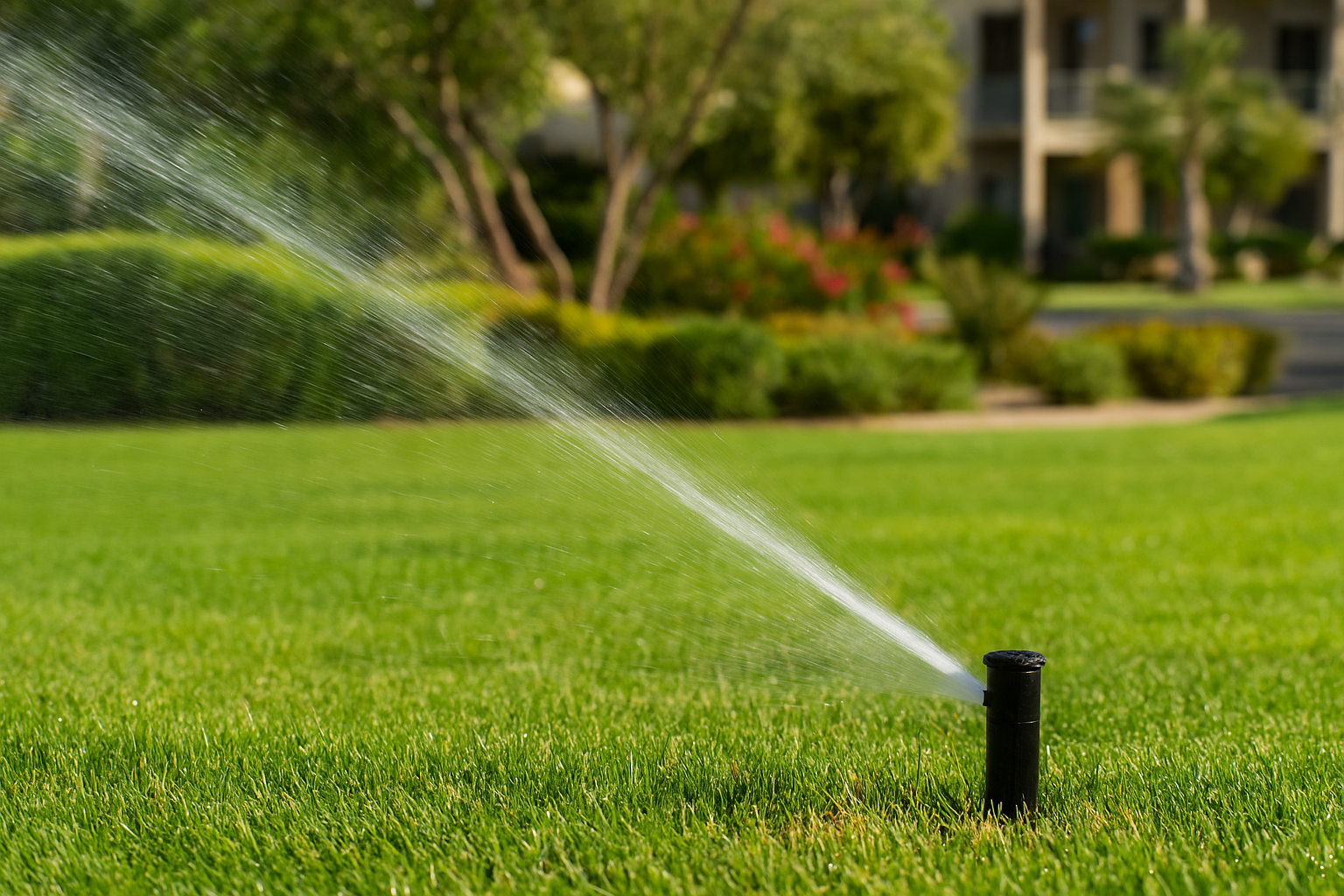
Healthy, vibrant landscapes aren’t just about aesthetics—they’re a cornerstone of community pride and property value. For community association managers, well-maintained sprinkler systems ensure common areas stay green, appealing, and water-efficient, reducing labor costs and enhancing curb appeal.

Best Practices for Managing Sprinkler Systems

1. Conduct Regular Maintenance and Inspections

Routine checks help pinpoint leaks, broken sprinkler heads, or overspray that leads to wasted water. Immediate repairs maintain system performance and prevent damage. Proper alignment and functioning nozzles are key to consistent irrigation.

2. Schedule for Water Conservation

Irrigating in the early morning or late evening reduces water loss from evaporation and wind. Pairing timing with seasonal needs—plus utilizing rain sensors—prevents unnecessary watering during rainfall.

3. Leverage Smart & Data-Driven Irrigation

Smart systems with weather-based or soil-moisture sensors automatically adjust watering based on real-time conditions—saving water and optimizing plant health. Flow meters and smart controllers also help monitor usage trends and quickly flag system issues.

4. Implement Efficient Irrigation Technologies

  • Micro‑irrigation systems (like drip or trickle setups) deliver water directly to the root zone, significantly minimizing runoff and overspray—cutting water use by up to 50% compared to traditional systems.

  • Incorporate hydrozoning—grouping plants with similar water requirements—to fine-tune watering, reduce runoff, and boost efficiency.

5. Plan Strategically & Budget Accordingly

Create a master irrigation and landscaping plan that includes routine inspections, technology upgrades, and water-saving goals. Mapping out annual maintenance budgets helps avoid costly repairs and capitalizes on rebates or incentives.

Final Insight

A proactive sprinkler management strategy keeps HOA landscapes lush, healthy, and cost-effective. By combining meticulous maintenance, modern irrigation tech, water-efficient layouts, and thoughtful budgeting, community managers can preserve the beauty of shared spaces while cutting water waste and costs.

Popular in the Community

aGVp03fc4bHWi-Lo_APM-HOA-President-Duties-blog
How to Choose the Right HOA or Condo President for Strong Community Leadership
Learn how to choose the right HOA or condo association president to ensure strong leadership, financial...
Learn more
shutterstock_2356241977
Choosing the Right Bank for Your HOA or Condo Association: What Boards Need to Know
Learn how to choose the right bank for your HOA or condo association, including key features like reserve...
Learn more
ChatGPT Image Mar 19, 2026, 11_47_23 AM
Best Property Management Software for HOAs and Condos: How to Choose the Right Platform
Discover how to choose the best property management software for HOAs and condos, including platforms...
Learn more

Navigating Airbnb Restrictions in Your Community Under Florida’s Enhanced CAM Statute
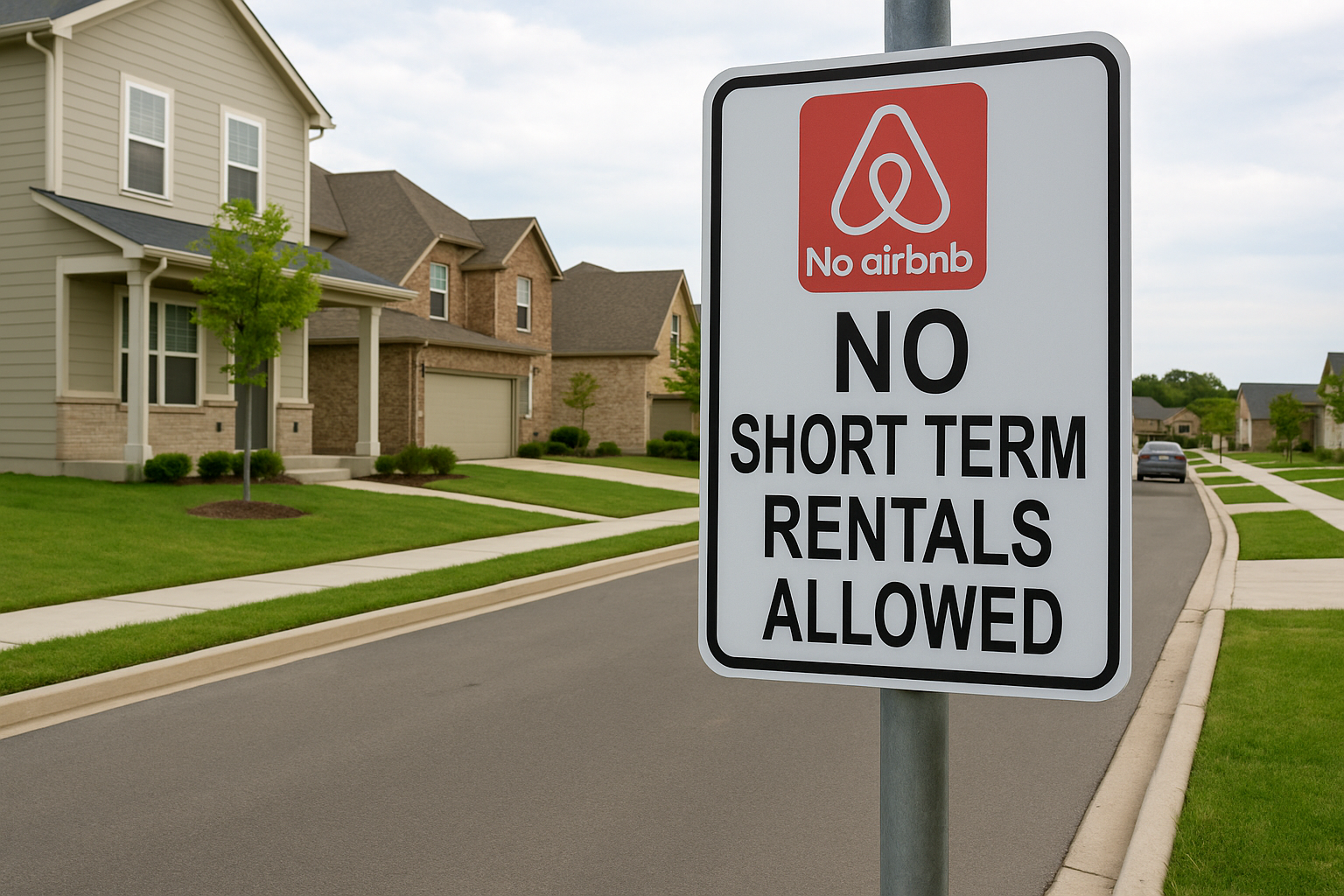
Navigating Airbnb Restrictions in Your Community Under Florida’s Enhanced CAM Statute

Written by Heidi Hensell

December 5, 2025

Table of Contents

Share

Link copied to clipboard!

Why Short-Term Rental Regulation Matters Now

The surge in Airbnb and other short-term rental platforms has put community association managers in a challenging position—balancing individual property-owner rights with shared goals like maintaining community character and preserving property values. Florida’s updated Community Association Manager (CAM) statute now provides clearer guidance on how associations can responsibly regulate rentals without overstepping legal boundaries.

Understanding Florida’s Updated CAM Statute

The updated Florida CAM statute—particularly Sections 468.432 and 468.4334 of the Florida Statutes—lays down critical requirements:

  • Licensing & Professional Standards (F.S. 468.432 & 468.4334):
    Community association managers and management firms must be properly licensed, uphold ethical practices, comply with contract standards, and include a statement of professional conduct in management contracts

  • Enforcement Capabilities:
    The statute gives associations the legal backing to enforce reasonable rules regarding safety, community cohesion, and short-term rental practices, aligning with their governing documents

Short-Term Rentals: Community Impact and Legal Context

Airbnb and similar platforms can raise concerns such as increased noise, parking congestion, security risks, and heightened wear on shared resources. These issues can influence neighborhood character and property values.

Florida law supports association regulation of short-term rentals through:

  • Governing Documents: Restrictions must be rooted in declarations, bylaws, or rules that owners were informed of upon purchase.

  • Statutory Protections & Limits:
    While associations can set reasonable restrictions, local governments are limited from banning or tightly regulating short-term rentals—per F.S. §509.032(7)(b), local rules cannot ban or control frequency/duration unless established before June 1, 2011.

  • Document Amendments & Grandfathering:
    The Florida Supreme Court upheld amendments restricting leasing durations when properly adopted, and F.S. §718.110(13) allows such amendments to apply to consenting owners or new buyers—but provides grandfathering for others.

Key Steps for Community Managers & Boards

  • Review Your Governing Documents
    Confirm existing rules around rental terms, registration, and approval. New restrictions typically require formal amendments.

  • Leverage the Statute’s Authority
    Use the CAM statute to justify and enforce policies that align with safety, accessibility, and integrity concerns.

  • Establish Clear, Enforceable Rental Rules
    Consider rules such as minimum rental durations, tenant registration, occupancy limits, or short-term rental bans (if your documents allow).

  • Communicate and Enforce Transparently
    Keep residents updated on policy changes. Apply rules uniformly to maintain fairness and legal defensibility.

  • Consult Legal Counsel When Needed
    Due to evolving case law and regulatory nuances, a Florida community association law specialist can ensure policies are both effective and compliant.

Final Thought

Florida’s updated CAM statute gives communities stronger grounds to address short-term rental issues—empowering associations to maintain neighborhood stability while respecting property rights. By staying proactive and well-informed, community managers and boards can navigate this evolving legal landscape with confidence.

Popular in the Community

aGVp03fc4bHWi-Lo_APM-HOA-President-Duties-blog
How to Choose the Right HOA or Condo President for Strong Community Leadership
Learn how to choose the right HOA or condo association president to ensure strong leadership, financial...
Learn more
shutterstock_2356241977
Choosing the Right Bank for Your HOA or Condo Association: What Boards Need to Know
Learn how to choose the right bank for your HOA or condo association, including key features like reserve...
Learn more
ChatGPT Image Mar 19, 2026, 11_47_23 AM
Best Property Management Software for HOAs and Condos: How to Choose the Right Platform
Discover how to choose the best property management software for HOAs and condos, including platforms...
Learn more

Airbnb and Short-Term Rentals: What HOAs and COAs Need to Know
Airbnb and Short-Term Rentals: What HOAs and COAs Need to Know

Written by Heidi Hensell

December 4, 2025

Table of Contents

Share

Link copied to clipboard!

Short-term rental platforms like Airbnb have transformed the travel landscape—and for homeowners, they offer attractive income potential. However, within homeowners’ associations (HOAs) and condominium associations (COAs), these rentals also raise challenges. Striking a balance between personal freedom, community well-being, property values, and security calls for thoughtful policies and proactive management.

Why HOAs and COAs Must Address Airbnb Use

Short-term rentals impact the community in several key ways:

  • Traffic & Parking Overload: Frequent guest turnover can overwhelm parking and common areas.

  • Noise & Disturbances: Guests unfamiliar with community rules may generate complaints or create unsafe situations.

  • Wear & Tear on Shared Amenities: Pools, fitness centers, and elevators may suffer increased use and maintenance needs.

  • Insurance & Liability Risks: Short-term rentals may complicate coverage and create exposure for the association or neighbors.

Given these potential consequences, boards must proactively manage STR (Short-Term Rental) activities to protect community interests.

Best Practices for Managing Airbnb & STRs

1. Review Governing Documents

Assess your CC&Rs, bylaws, and rules to determine whether short-term rentals are already addressed. Some communities may already prohibit, limit, or regulate transient rentals. 

2. Implement Clear & Enforceable Policies

When documents lack guidance, the board may adopt amendments covering:

  • Minimum rental durations

  • Mandatory guest registration and approval

  • Owner accountability for guest conduct

  • Platform restrictions for Airbnb or VRBO listings 

3. Ensure Transparent Communication

Use newsletters, meetings, or digital platforms to educate residents about policies, expectations, and consequences for violations. 

4. Monitor Compliance Effectively

Employ rental monitoring tools that track listings on platforms. Issue warnings or fines when unauthorized rentals are detected. 

5. Understand Legal & Insurance Implications

Review local regulations—some municipalities impose licensing, occupancy rules, or taxation on short-term rentals. Ensure policies align with legal requirements. Additionally, owners and associations may need supplemental insurance to cover rental-related risks. 

6. Balance Financial Benefits with Community Culture

While short-term rentals can yield income, they may disrupt community harmony. Many boards choose restricted rental models—such as minimum stay lengths or owner occupancy requirements—to preserve quality of life. 

Conclusion

Airbnb and other short-term rentals offer HOAs and COAs both opportunities and risks. Through careful review of governing documents, implementation of transparent policies, resident communication, effective compliance monitoring, legal compliance, and balanced decision-making, associations can manage STRs in ways that protect property values and preserve community integrity.

Popular in the Community

aGVp03fc4bHWi-Lo_APM-HOA-President-Duties-blog
How to Choose the Right HOA or Condo President for Strong Community Leadership
Learn how to choose the right HOA or condo association president to ensure strong leadership, financial...
Learn more
shutterstock_2356241977
Choosing the Right Bank for Your HOA or Condo Association: What Boards Need to Know
Learn how to choose the right bank for your HOA or condo association, including key features like reserve...
Learn more
ChatGPT Image Mar 19, 2026, 11_47_23 AM
Best Property Management Software for HOAs and Condos: How to Choose the Right Platform
Discover how to choose the best property management software for HOAs and condos, including platforms...
Learn more

How Homeowners Can Help Their HOA or COA Community Thrive
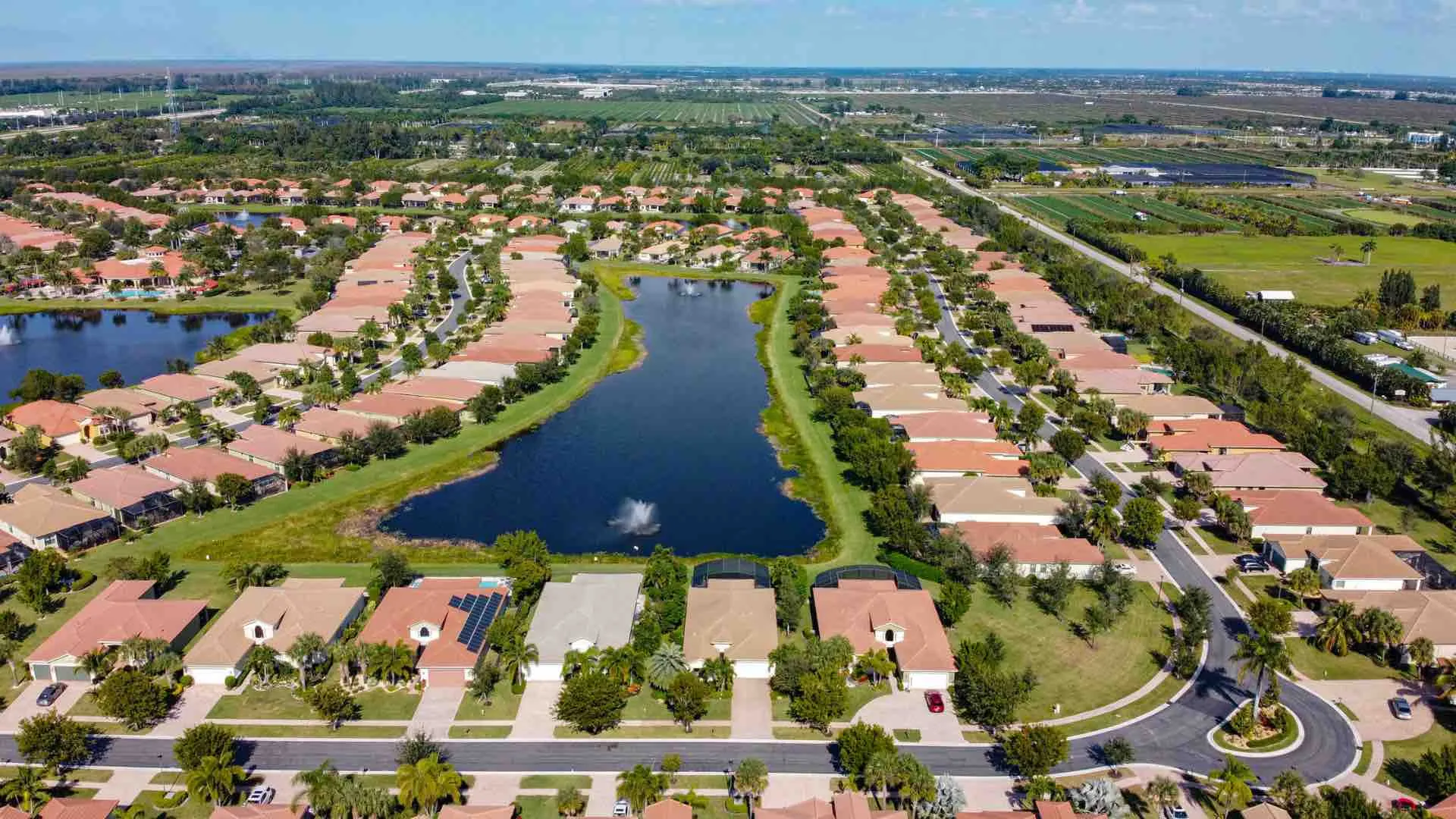
How Homeowners Can Help Their HOA or COA Community Thrive

Written by Heidi Hensell

December 2, 2025

Table of Contents

Share

Link copied to clipboard!

Living in an HOA or COA offers many perks—from beautifully maintained common areas to organized events. But the key to a truly thriving community goes beyond boards and managers. Homeowners themselves are the heart of a vibrant, secure, and connected neighborhood. Here’s how residents can elevate their community experience.

1. Stay Informed & Engaged

Knowledge is empowerment. Reading newsletters, attending board meetings, or even scanning meeting minutes keeps you informed about decisions that affect your property and community dynamics. Being engaged helps you offer constructive feedback, fosters trust, and lets you stay ahead of upcoming changes, improving transparency and cohesion.

2. Follow Community Rules & Guidelines

Every community has governing documents—whether it’s architectural standards or parking rules. Adhering to these shows respect for your neighbors and sustains property values. Before starting home improvement projects or hosting events, it’s always easier to check guidelines first than deal with violations later.

3. Participate in Community Events

Whether it’s a holiday party, clean‑up day, or poolside social, events bring neighbors together. Participation fosters camaraderie, strengthens community identity, and inspires others to get involved. Even small contributions—like event planning or organization—make a big impact.

4. Be a Good Neighbor

Simple acts can deepen community bonds: respect quiet hours, keep pets leashed, maintain your curb appeal, or offer a smile or greeting. Kindness and consideration go a long way toward fostering a supportive and friendly environment.

5. Volunteer When You Can

Communities thrive on volunteer spirit—from serving on committees to helping with events or neighborhood projects. Even just a few volunteer hours a year can make a meaningful difference in community engagement and morale.

6. Share Constructive Feedback

If you notice an issue or have a suggestion, communicate it respectfully. Well-considered feedback—and especially ideas with solutions—helps associations improve. Remember, board members are often your neighbors who volunteer their time and want what’s best for the community.

Why Homeowner Involvement Matters

Effective HOA management rests on transparency, clear communication, and resident participation. Studies show that clear communication enhances trust and community satisfaction. Residents who stay engaged and informed contribute to smoother operations and collective ownership of outcomes. Boards that invite participation and feedback encourage a sense of unity and mutual responsibility.

A well-managed HOA balances clarity, participation, and respect. Homeowner contributions reduce friction, support management efforts, and reinforce a spirit of cooperation.

Conclusion

Supporting your HOA thriving isn’t about grand gestures—it’s about consistent, thoughtful actions: staying informed, following guidelines, attending events, volunteering, and providing respectful feedback. When homeowners take part, communities flourish with trust, safety, and a genuine sense of home.

Popular in the Community

aGVp03fc4bHWi-Lo_APM-HOA-President-Duties-blog
How to Choose the Right HOA or Condo President for Strong Community Leadership
Learn how to choose the right HOA or condo association president to ensure strong leadership, financial...
Learn more
shutterstock_2356241977
Choosing the Right Bank for Your HOA or Condo Association: What Boards Need to Know
Learn how to choose the right bank for your HOA or condo association, including key features like reserve...
Learn more
ChatGPT Image Mar 19, 2026, 11_47_23 AM
Best Property Management Software for HOAs and Condos: How to Choose the Right Platform
Discover how to choose the best property management software for HOAs and condos, including platforms...
Learn more

Plumbing in Community Associations: Ensuring Reliable, Safe Water Service for All
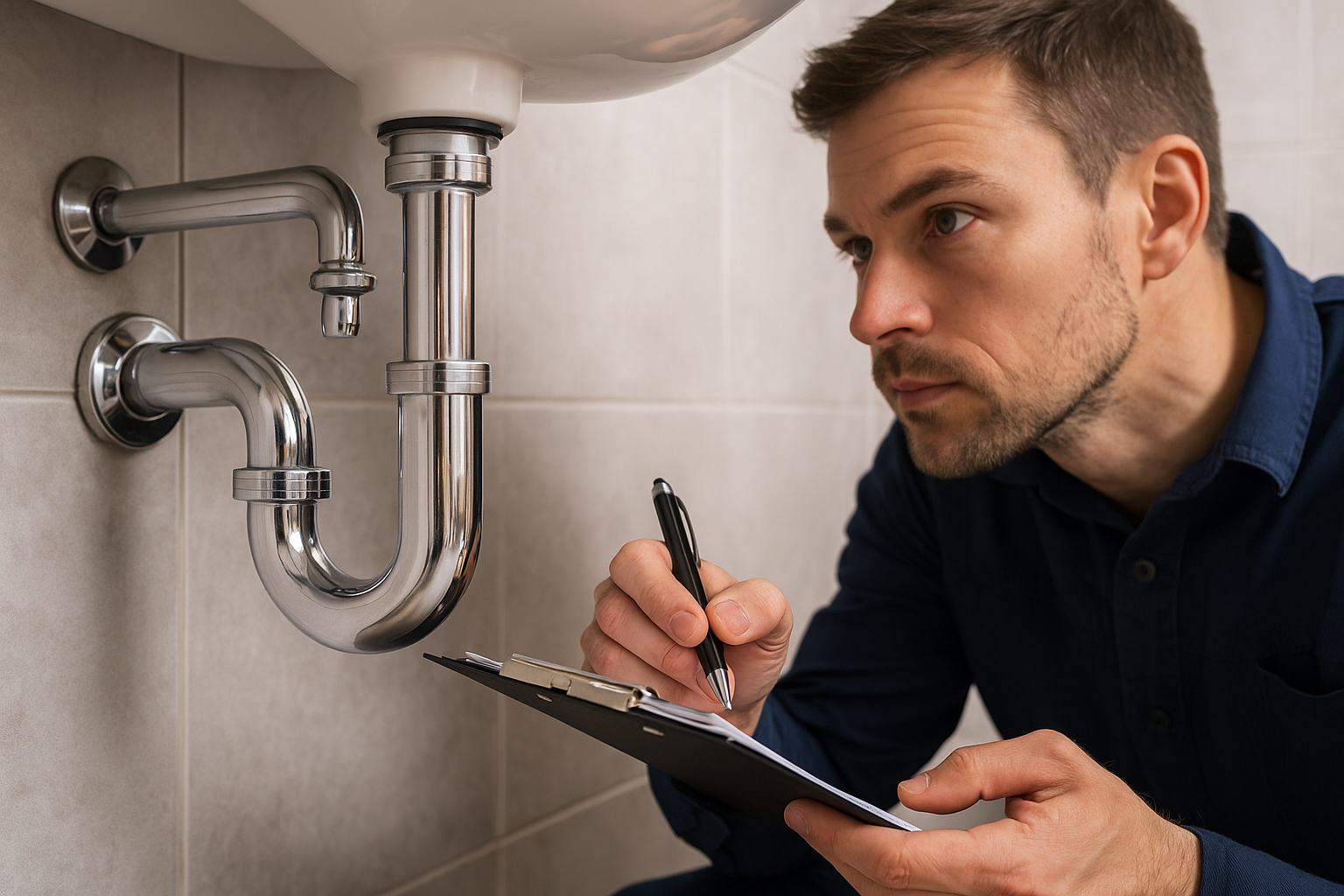
Plumbing in Community Associations: Ensuring Reliable, Safe Water Service for All

Written by Heidi Hensell

December 1, 2025

Table of Contents

Share

Link copied to clipboard!

While often out of sight, plumbing is a vital lifeline in community living—delivering water, supporting health, and enabling comfort. For community association managers, managing plumbing systems proactively protects infrastructure, prevents disruptions, and reinforces resident satisfaction.

Why Plumbing Matters

Reliable plumbing enables daily life—from basic water access to emergency repairs. Untreated issues like leaks, clogged drains, or pressure fluctuations can cascade into systemic problems, affecting multiple units or shared spaces. Effective plumbing oversight helps prevent costly damage and upholds the community’s reputation.

Key Considerations for Community Managers

1. Regular Inspections & Preventative Maintenance

Schedule professional inspections of common systems—pipes, valves, heaters, and fixtures—to catch emerging issues early. Preventative maintenance has been shown to reduce emergency plumbing costs by 40–60%, safeguarding association budgets.

2. Clear Responsibility Guidelines

Clearly define who handles what. Typically, HOAs manage shared plumbing systems—like main water and sewer lines—while homeowners handle internal plumbing. These distinctions, included in governing documents, reduce confusion and enforcement challenges.

3. Emergency Preparedness

Establish a relationship with a trusted plumbing contractor able to respond swiftly to emergencies—such as burst pipes or sewer backups—to minimize property damage and inconvenience. Rapid response is critical in combatting widespread damage.

4. Promote Water Conservation

Encourage installation of water-saving fixtures, like low-flow toilets and faucets, to lower utility costs and support eco-friendly community goals.

5. Educate Residents

Empower residents with clear guidelines—advising against flushing inappropriate items and instructing them on early signs of plumbing issues. Preventing misuse is just as crucial as maintenance.

Enhanced Insights & Practices

  • Strategic Plumbing Partnerships: Establishing contracts with reliable plumbing firms protects against emergencies and reduces long-term costs. Reactive repairs can cost 2–3 times more than scheduled service.

  • Efficient Inspections: In condominiums, inspectors hired by HOAs can audit individual units for leaks and inefficiencies—helping homeowners address issues before they become system-wide hazards.

Conclusion

Plumbing doesn’t typically receive attention—until things go wrong. By adopting regular maintenance, clarifying ownership responsibilities, planning for emergencies, and engaging residents in water stewardship, associations can prevent disruptions, protect their infrastructure, and cultivate trustworthy, well-functioning communities.

Popular in the Community

aGVp03fc4bHWi-Lo_APM-HOA-President-Duties-blog
How to Choose the Right HOA or Condo President for Strong Community Leadership
Learn how to choose the right HOA or condo association president to ensure strong leadership, financial...
Learn more
shutterstock_2356241977
Choosing the Right Bank for Your HOA or Condo Association: What Boards Need to Know
Learn how to choose the right bank for your HOA or condo association, including key features like reserve...
Learn more
ChatGPT Image Mar 19, 2026, 11_47_23 AM
Best Property Management Software for HOAs and Condos: How to Choose the Right Platform
Discover how to choose the best property management software for HOAs and condos, including platforms...
Learn more

Fitness Equipment in Community Associations: Supporting Health, Safety & Resident Engagement

Fitness Equipment in Community Associations: Supporting Health, Safety & Resident Engagement

Written by Heidi Hensell

November 28, 2025

Table of Contents

Share

Link copied to clipboard!

Fitness equipment is a high-value amenity that supports wellness and community engagement. For association managers, the goal is to balance functionality, safety, and resident satisfaction by ensuring that fitness spaces remain welcoming and reliable.

Why Fitness Equipment Matters

Accessible fitness facilities—whether indoor gyms or outdoor spaces—help residents stay healthy and foster social interactions. Studies indicate that proximity to amenities dramatically increases their usage, linking directly to improved satisfaction and community cohesion.

Key Management Considerations

Regular Maintenance & Safety Checks

Perform monthly inspections of equipment—checking for loose bolts, worn belts, or malfunctioning safety features. Lubricate moving parts and test emergency stop functions. A maintenance routine can cut lifespan costs by up to 30%.

2. Quality and Diversity of Equipment

Include a mix of high-impact and low-impact options like treadmills, stationary bikes, ellipticals, and resistance machines. Low-impact choices reduce injury risk and accommodate all fitness levels.

3. Clear Usage Guidelines

Post rules for operating hours, proper machine use, and cleaning protocols. Offer orientation sessions or instructional signage to help users avoid misuse and maintain hygiene.

4. Liability & Liability Coverage

Ensure the association’s insurance covers fitness facility risks. Consider requiring signed waivers for residents or posting usage disclaimers to minimize exposure.

5. Resident Feedback & Engagement

Encourage residents to report broken equipment and suggest new additions. Feedback channels enhance maintenance efficiency and ensure amenities evolve with community needs.

Best Practices & Community Value

  • Consider Equipment Rental: Renting allows flexible upgrades and includes maintenance, reducing upfront costs.

  • Use Management Tools: Track service logs, warranties, and repair histories using maintenance software to stay proactive.

  • Incorporate Inclusivity: A well-designed fitness area accommodates a range of residents, promoting wellness and connectivity.

Conclusion

Fitness amenities are key investments in a community’s well-being. With thoughtful planning—covering maintenance schedules, equipment options, safety measures, and resident engagement—associations can create vibrant, safe spaces that encourage regular physical activity and enhance overall quality of life.

Popular in the Community

aGVp03fc4bHWi-Lo_APM-HOA-President-Duties-blog
How to Choose the Right HOA or Condo President for Strong Community Leadership
Learn how to choose the right HOA or condo association president to ensure strong leadership, financial...
Learn more
shutterstock_2356241977
Choosing the Right Bank for Your HOA or Condo Association: What Boards Need to Know
Learn how to choose the right bank for your HOA or condo association, including key features like reserve...
Learn more
ChatGPT Image Mar 19, 2026, 11_47_23 AM
Best Property Management Software for HOAs and Condos: How to Choose the Right Platform
Discover how to choose the best property management software for HOAs and condos, including platforms...
Learn more
Next Page » « Previous Page