Copyright © Kaloop 2025 All Right Reserved
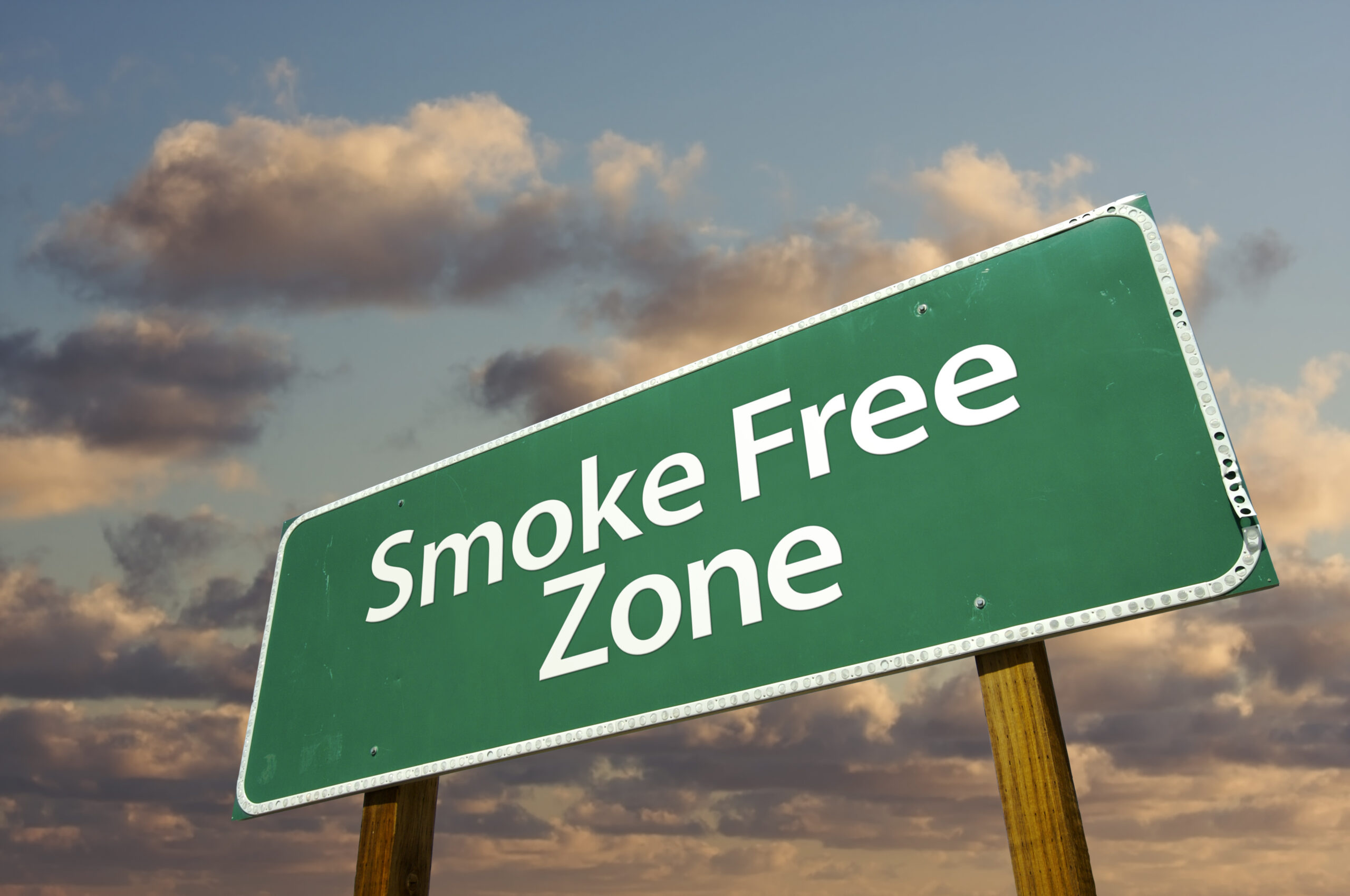
Smoke-Free Communities: A Healthier Direction for Community Associations

Written by Heidi Hensell
January 9, 2026
Table of Contents
As public awareness of health and environmental issues continues to grow, many community associations are taking proactive steps to promote wellness and livability. One of the most impactful initiatives is adopting smoke-free policies for common areas—or in some cases, for entire communities.
Designating a neighborhood or shared spaces as smoke-free not only protects residents from secondhand smoke, but also enhances property appeal, safety, and long-term value.
Why Go Smoke-Free?
- Health & Safety
Restricting smoking in common areas like clubhouses, pool decks, playgrounds, and walking paths helps protect all residents, especially children, seniors, and those with asthma or respiratory conditions. A smoke-free environment supports healthier living for the entire community. - Fire Prevention
Smoking remains one of the leading causes of residential fires. By adopting smoke-free policies, associations can reduce fire risks, improve overall community safety, and even lower insurance premiums. - Property Value & Appeal
Today’s homebuyers and renters increasingly prefer smoke-free environments. Communities with clear policies are more attractive to prospective residents who prioritize health-conscious and environmentally responsible lifestyles. This can make an HOA or condo association stand out in a competitive housing market. - Maintenance Savings
Smoke can leave behind stains, odors, and long-term damage to property. Shared spaces like fitness centers, meeting rooms, and clubhouses often require extra cleaning when smoking is allowed. Reducing or eliminating smoking helps lower maintenance and repair costs for associations.
How Associations Can Implement Smoke-Free Policies
Engage Residents Early
Community buy-in is critical. Boards should survey residents, host informational meetings, and explain the benefits of smoke-free policies before adopting new rules.
Clear Communication
Define where smoking is restricted and where it may still be permitted, such as private balconies or designated outdoor areas. Transparency avoids confusion and fosters cooperation.
Signage & Enforcement
Proper signage throughout the community reinforces the policy. Rules should be incorporated into governing documents or association regulations, with clear enforcement procedures in place.
Support for Residents
Consider offering resources or information about smoking cessation programs. Demonstrating support—not just restrictions—builds goodwill and promotes healthier living choices.
Supporting a Healthier Lifestyle
Smoke-free policies are more than regulations—they are a commitment to creating a cleaner, healthier, and more welcoming environment for everyone. By adopting thoughtful guidelines, community associations can set a standard for wellness and safety while enhancing property values and reducing risks.
With planning, education, and clear communication, communities can move confidently toward a healthier, smoke-free future.
Popular in the Community
Alcohol in Common Areas: Finding the Right Balance in Community Associations

Written by Heidi Hensell
January 8, 2026
Table of Contents
For many community associations, shared spaces like clubhouses, pools, and outdoor pavilions are the heart of neighborhood life. These areas host everything from private birthday parties to community-sponsored events. Naturally, the question of alcohol in common areas often arises—and with it, the challenge of balancing resident enjoyment with liability protection.
Handled thoughtfully, alcohol policies can support a vibrant social culture while minimizing risk. For association boards, the key lies in establishing clear guidelines, consistent enforcement, and proper insurance coverage.
Why Alcohol Policies Matter in Community Spaces
Allowing alcohol in common areas can elevate the social atmosphere, encouraging residents to relax and connect. From holiday mixers at the clubhouse to casual weekend gatherings by the pool, these occasions can strengthen community bonds.
At the same time, alcohol brings potential safety, legal, and insurance concerns. Without clear policies, associations may face liability issues if an incident occurs. The goal is not to discourage social activity, but to ensure that it happens in a safe and responsible way.
Key Considerations for Associations
1. Clear Policies
Associations should establish written rules that outline where alcohol is permitted, whether approval is required, and who assumes responsibility during events. Rules should also specify whether alcohol is limited to designated areas or allowed throughout certain facilities.
2. Private vs. Community Events
Policies may need to distinguish between resident-hosted events and association-sponsored gatherings. For example, a private birthday party at the clubhouse may require a separate permit or an insurance rider, while an HOA-sponsored holiday party may already fall under the association’s insurance policy.
3. Liability Protection
Serving alcohol increases the risk of accidents and injuries. Boards should consult with their insurance providers to confirm that the community is properly covered. In some cases, requiring event hosts to sign liability waivers or purchase event-specific insurance can protect the association.
4. Age Restrictions and Safety
Strict enforcement of age laws is critical. Associations should also establish additional safety guidelines, such as prohibiting alcohol near fitness centers or ensuring extra supervision when alcohol is served at poolside events.
Community Comes First
At the core, alcohol policies are about protecting both residents and the community as a whole. By setting clear expectations and encouraging responsible use, boards can foster a welcoming social environment without compromising on safety or compliance.
When in doubt, transparency, communication, and consistency are the most valuable tools for any association. With the right balance, communities can enjoy lively gatherings while safeguarding the well-being of all residents.
Popular in the Community
Tenting and Bed Bugs: What Community Associations Need to Know
Written by Heidi Hensell
January 7, 2026
Table of Contents
- Introduction
- Understanding the Threat
- Tenting: A Last-Resort Solution
- Why It Matters for Community Associations
- Action Steps for Associations
For community associations, pest issues like bed bugs can escalate quickly, especially in multi-unit properties or shared spaces. While an isolated infestation may seem manageable, bed bugs spread easily and can become a community-wide challenge if not addressed swiftly. That’s why proactive management, resident education, and clear policies are critical.
Understanding the Threat
Bed bugs are tiny, resilient pests that thrive in homes, common areas, and even shared furniture in places like clubhouses or lounges. Contrary to popular belief, bed bugs are not caused by poor hygiene. They often arrive via luggage, clothing, or secondhand furniture and can spread rapidly from one unit to another.
Once established, they are notoriously difficult to eliminate without professional treatment. Delayed action can lead to wider infestations, making costs and disruptions much higher for both residents and the association.
Tenting: A Last-Resort Solution
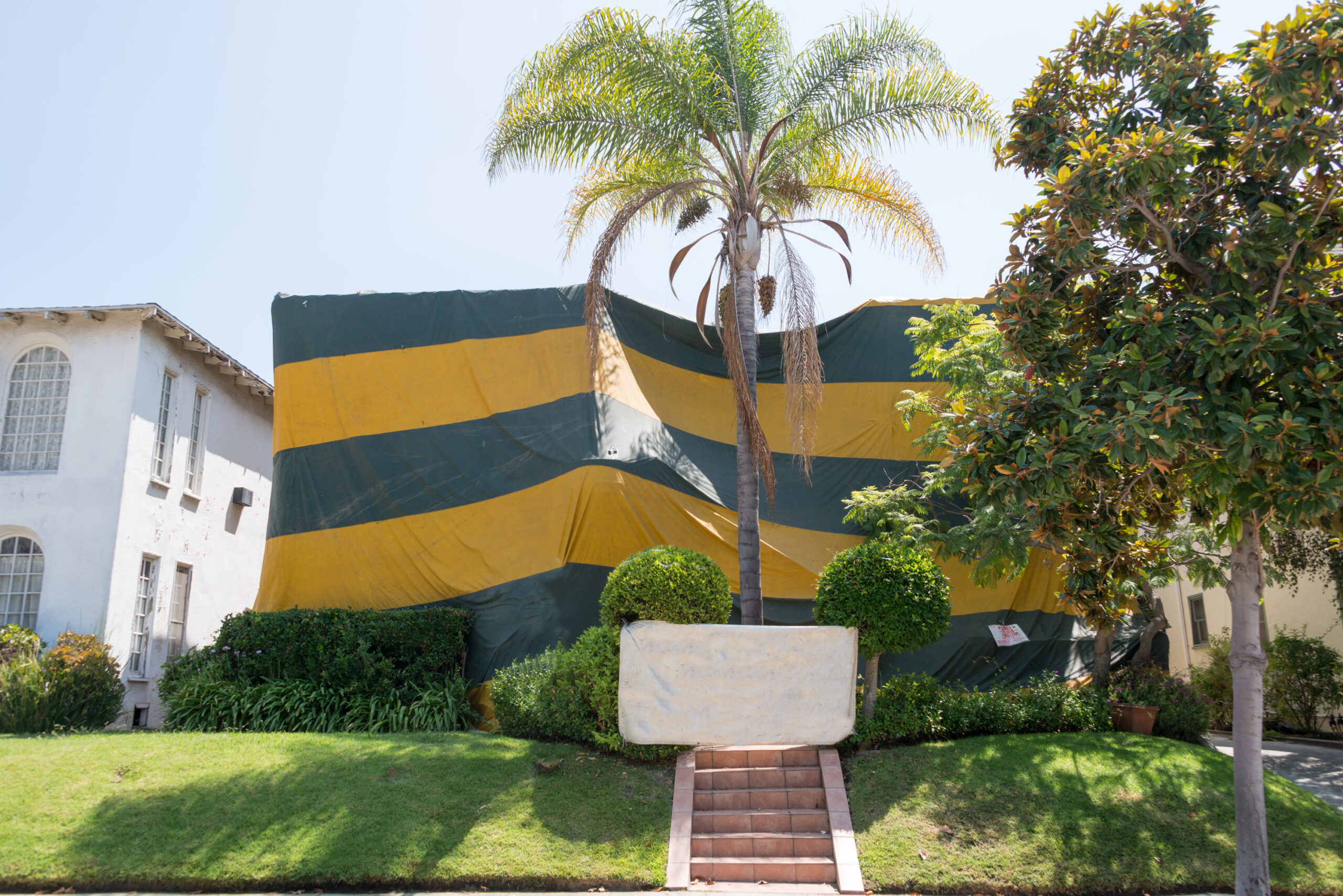
In severe or widespread infestations, associations may need to consider tenting—a process where a building or unit is sealed and fumigated with professional-grade pesticides.
While effective, tenting comes with drawbacks:
High cost for treatment and preparation
Resident displacement during fumigation
Intensive coordination between boards, pest control companies, and homeowners
Because of this, tenting should be viewed as a last-resort option when standard treatments are not effective.
Why It Matters for Community Associations
1. Prevention Is Key
Routine inspections of common areas and early detection protocols can help stop infestations before they spread. Encouraging residents to report suspected cases immediately can save significant time and expense.
2. Resident Education
Sharing information about how bed bugs spread—through travel, clothing, or used furniture—empowers residents to take preventive steps. Associations that provide guides or newsletters often see fewer large-scale outbreaks.
3. Responsibility and Policy
Clear policies are essential. In condominiums, for example, the question of whether pest control is the responsibility of the association or the unit owner should be addressed in governing documents. Defining responsibilities avoids disputes and ensures faster responses.
4. Health and Safety
Untreated infestations can cause skin irritation, anxiety, and sleeplessness, impacting overall resident well-being. Associations have a duty to maintain safe, livable environments.
Action Steps for Associations
The best strategy combines prevention, education, and preparation:
Partner with a licensed pest control company for inspections and treatment options
Establish a clear response plan for suspected infestations
Communicate regularly with residents about prevention and reporting procedures
Budget for pest control as part of ongoing maintenance planning
By taking these steps, associations protect both residents and property values, ensuring the community remains safe, healthy, and bed bug-free.
Popular in the Community
Physical Property Management: The Backbone of a Well-Maintained Community

Written by Heidi Hensell
January 6, 2026
Table of Contents
- Introduction
- What Is Physical Property Management?
- Why Physical Property Management Matters for Community Associations
- A Partnership for Success
- Final Thought
Behind every well-maintained neighborhood is a strong system of physical property management. For community associations, this essential function ensures that shared spaces, buildings, and infrastructure remain safe, functional, and visually appealing. When property management is done right, residents enjoy higher satisfaction, stronger property values, and peace of mind knowing their community is cared for.
What Is Physical Property Management?
Physical property management involves the day-to-day oversight, maintenance, and protection of a community’s physical assets. These assets can include:
- Clubhouses and fitness centers
- Swimming pools and recreational areas
- Landscaping, green spaces, and common areas
- Roads, sidewalks, and parking lots
- Lighting, signage, and entry features
From routine maintenance to long-term capital planning, property management protects both the value and livability of the community.
Why Physical Property Management Matters for Community Associations
1. Preserves Property Value
Routine upkeep prevents deterioration and costly emergency repairs. A proactive approach helps maintain or even increase home values, which benefits every resident in the association.
2. Enhances Resident Satisfaction
Clean, well-kept amenities and common areas reflect pride in the community. When residents enjoy beautiful, functional surroundings, overall quality of life improves.
3. Ensures Safety & Compliance
Well-managed communities are safer communities. Physical property management ensures that hazards are addressed quickly and that facilities meet local codes and regulations, reducing liability risks for associations.
4. Supports Long-Term Planning
Property managers help boards create reserve studies and maintenance schedules that anticipate future needs. By planning ahead, associations avoid unexpected expenses and ensure financial stability.
A Partnership for Success
Strong physical property management is built on partnership and collaboration. Boards, residents, vendors, and professional management teams must work together to keep the community thriving. Clear communication, consistent oversight, and proper budgeting are all key components of success.
When this partnership functions smoothly, the result is a seamless living experience where residents feel cared for, safe, and proud to call the neighborhood home.
Final Thought
Physical property management may not always be visible, but it’s the backbone of a vibrant, well-maintained community. By investing in proper upkeep, long-term planning, and collaborative management, community associations create lasting value and satisfaction for residents today—and for generations to come.
Popular in the Community
Bus Stops: Enhancing Accessibility and Connectivity in Community Associations
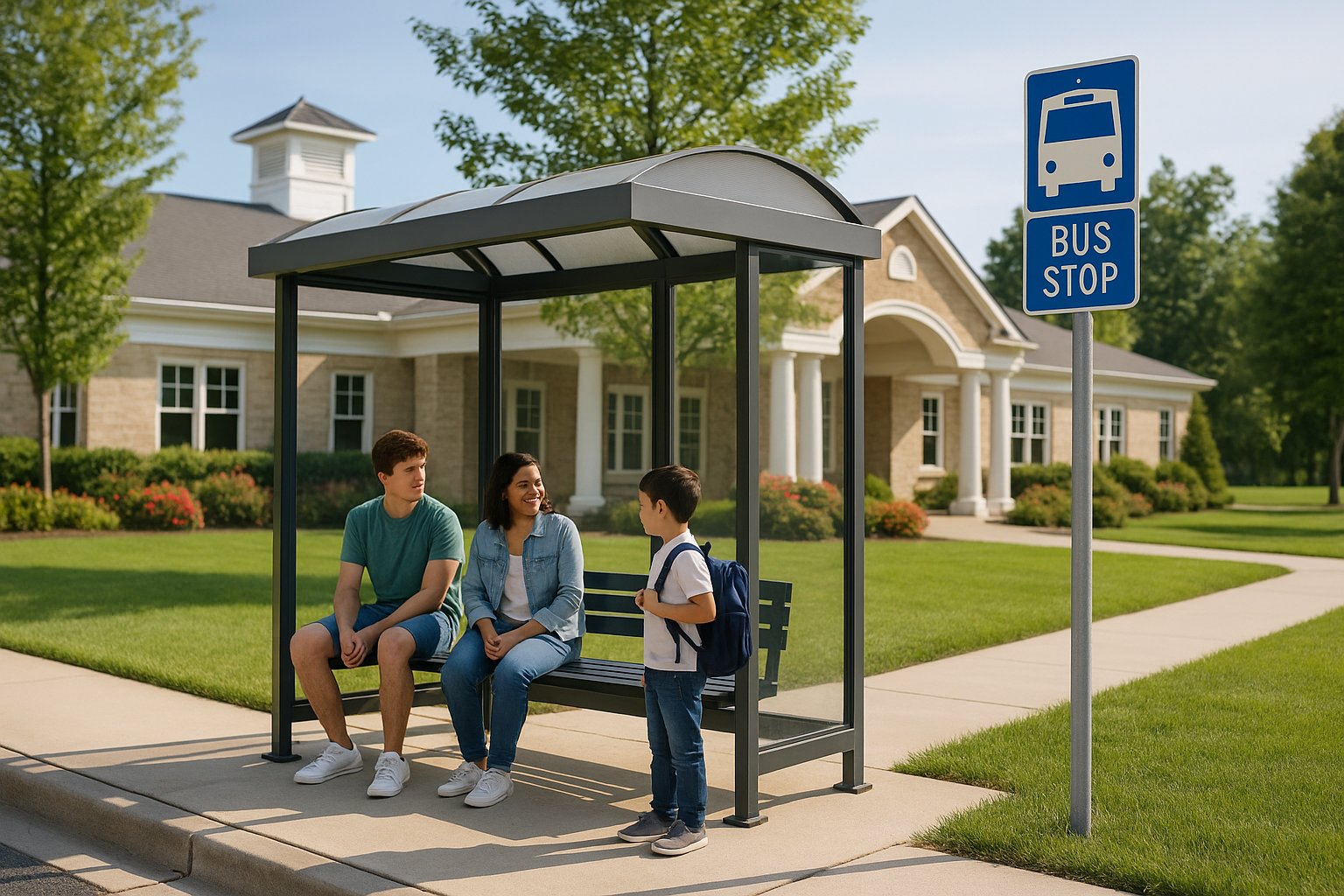
Table of Contents
- Introduction
- A Simple Feature with Big Impact
- Key Benefits of Bus Stops for Community Associations
- Smart Design Matters
- A Step Toward a More Connected Community
As community associations grow and evolve, thoughtful infrastructure plays a vital role in supporting both convenience and quality of life. One often-overlooked feature that delivers significant benefits is the community bus stop. More than just a waiting area, a well-designed bus stop enhances accessibility, encourages safe commuting, and reflects a forward-thinking association that values resident needs.
A Simple Feature with Big Impact
Whether used for school pickups, public transportation, or community shuttle services, bus stops are a small investment with major returns. They improve mobility for residents of all ages—children heading to school, working professionals commuting to jobs, or seniors attending appointments. By supporting multiple generations, a bus stop reinforces the community’s commitment to inclusivity.
Key Benefits of Bus Stops for Community Associations
1. Improved Accessibility
Bus stops make it easier for residents without personal transportation to connect with schools, workplaces, and essential services. This feature is especially valuable for families with teens, seniors who prefer not to drive, or individuals embracing car-free living.
2. Increased Safety
A designated, sheltered waiting area keeps pedestrians safe and visible. For children, this is especially important—parents gain peace of mind knowing their kids aren’t waiting near busy streets without protection.
3. Environmental Responsibility
By encouraging the use of public transit and reducing reliance on individual cars, bus stops help lower traffic congestion and support a smaller community carbon footprint. This aligns with broader sustainability goals embraced by many modern associations.
4. Positive Community Image
A clean, functional bus stop is more than practical—it’s symbolic. It shows residents and visitors alike that the association is proactive, well-managed, and committed to enhancing resident experience.
Smart Design Matters
The difference between an average bus stop and a valued community asset lies in thoughtful design. Adding features such as:
- Comfortable seating
- Covered shade structures
- Clear signage with schedules
- Nighttime lighting for safety
These elements not only improve the daily experience of riders but also increase overall usability. Collaborating with local transit authorities ensures proper placement, compliance with safety codes, and alignment with public transportation networks.
A Step Toward a More Connected Community
Investing in bus stops is more than a practical improvement—it’s a strategic move that enhances connectivity, supports sustainability, and fosters inclusivity. For community associations, it’s a visible way to show residents that their mobility and well-being are priorities.
By integrating smart, safe, and accessible bus stop designs, associations strengthen their neighborhoods and create a lasting impact that benefits everyone.
Popular in the Community
Fountains: Enhancing Community Spaces with Beauty and Tranquility
Written by Heidi Hensell
January 2, 2026
Table of Contents
- Introduction
- Aesthetic Appeal Meets Functionality
- Benefits of Fountains for Community Associations
- Low Maintenance, High Reward
- A Lasting Symbol of Community Pride
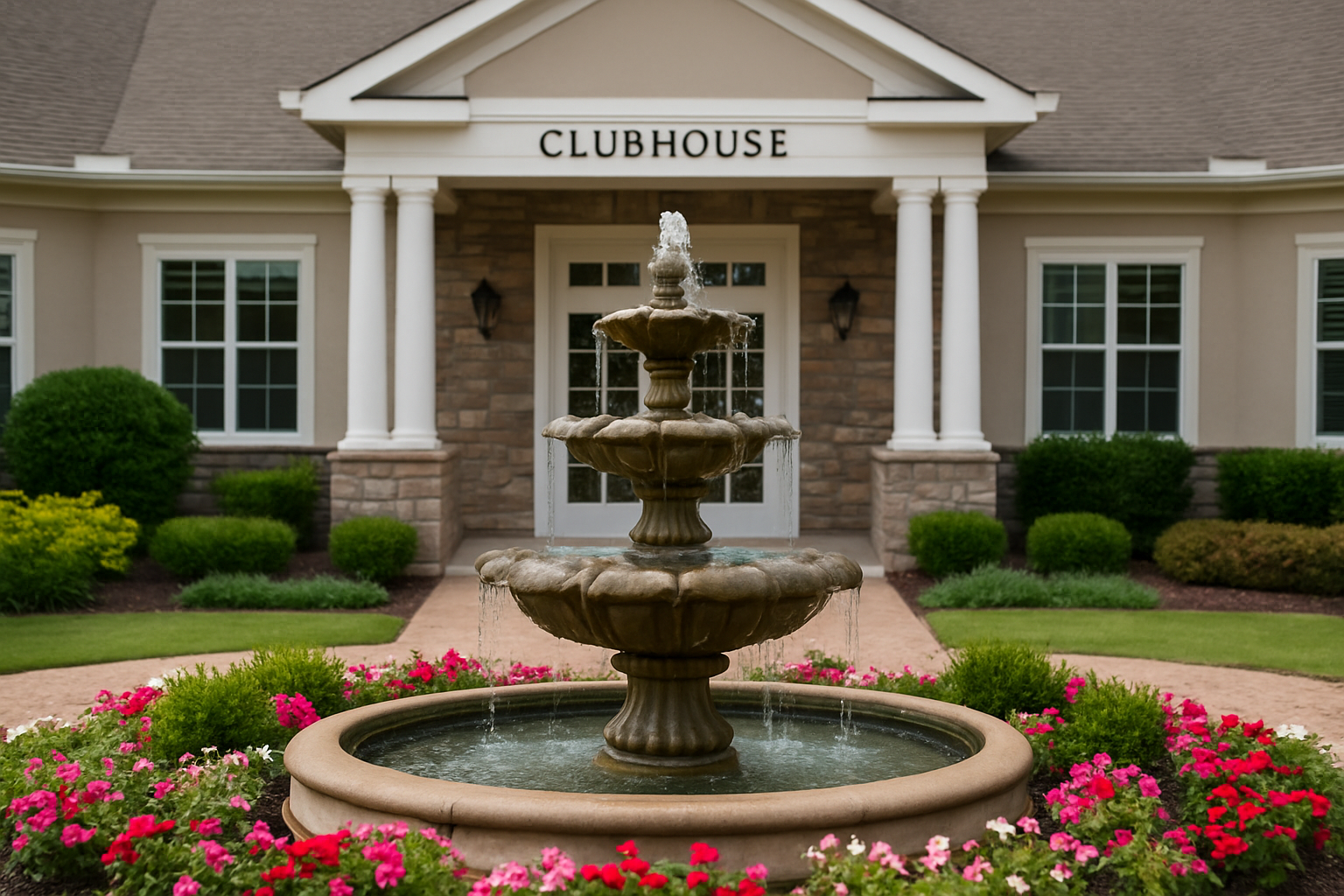
In today’s competitive residential landscape, community associations are constantly seeking ways to elevate shared spaces and create welcoming, memorable environments. Among the many amenities that stand the test of time, fountains remain one of the most effective features for enhancing both beauty and tranquility. More than just decorative, fountains in community spaces combine elegance with functionality, creating lasting impressions that enrich daily living.
Aesthetic Appeal Meets Functionality
Fountains do more than add charm to a landscape. They help define the character of a community and set the tone for residents and visitors alike. Placed at a neighborhood entrance, in a clubhouse courtyard, or within a park, fountains create an immediate visual impact. The flowing water adds a natural, calming soundtrack that elevates the atmosphere, transforming ordinary spaces into inviting destinations.
Benefits of Fountains for Community Associations
1. Enhanced Curb Appeal
A well-designed and maintained fountain serves as a stunning focal point that captures attention. It creates a sense of pride for residents and makes a powerful first impression on potential buyers touring the community.
2. A Soothing Atmosphere
The gentle sound of water promotes relaxation and reduces stress. Fountains also help mask surrounding noise, such as traffic, ensuring a more peaceful environment.
3. Natural Gathering Spaces
Fountains organically become informal meeting spots where residents pause, chat, and connect. This strengthens community bonds and encourages more interaction in shared spaces.
4. Boosted Property Values
Attractive water features can subtly increase the perceived value of homes. Communities with upscale amenities often enjoy stronger marketability, and fountains provide an elegant yet attainable way to stand out.
Low Maintenance, High Reward
One of the best features of modern fountain systems is their efficiency. With proper planning, energy-efficient pumps, and routine care, fountains require relatively little upkeep compared to the aesthetic and experiential value they provide. For community associations, this makes fountains a low-maintenance, high-reward investment in both curb appeal and resident satisfaction.
A Lasting Symbol of Community Pride
Incorporating fountains into common areas reflects thoughtful planning and an attention to detail that residents notice and appreciate. These water features are more than decorative—they symbolize community pride, create a tranquil ambiance, and contribute to the overall quality of life.
For associations aiming to balance beauty, functionality, and long-term value, fountains remain a timeless choice that enhances shared spaces for generations to come.
Popular in the Community
Solar Panels: Yes or No for Homeowners and Communities?
Written by Heidi Hensell
January 2, 2026
Table of Contents
- Introduction
- 1. Why Go Solar?
- 2. What to Consider Before Installing
- 3. Community-Friendly Considerations
- Conclusion
As energy costs climb and sustainability rises in importance, many homeowners and community associations are pondering a key question: Is solar right for us? While solar technology has become more efficient and affordable, it isn’t always the perfect fit. Here’s what to weigh before deciding—both for individuals and community settings like HOAs and COAs.
1. Why Go Solar?
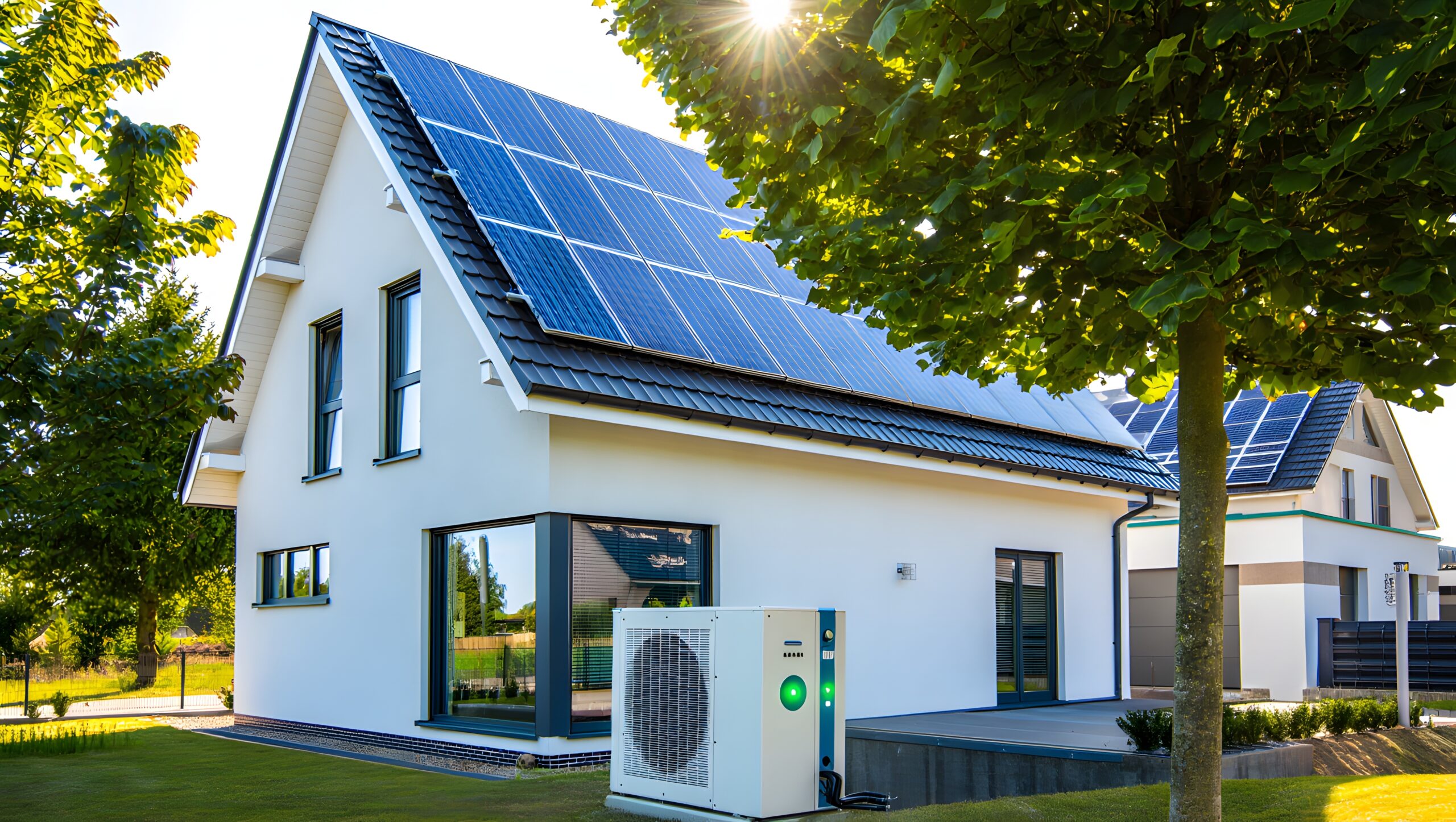
Lower Energy Bills: Solar panels generate electricity to offset grid usage—cutting monthly utility costs. For communities that power shared amenities like clubhouses or pools, collective solar installations can offer substantial savings.
Environmental Impact: Generating clean, renewable energy helps reduce your carbon footprint and reliance on fossil fuels.
Higher Property Value: Homes equipped with solar panels often sell faster and at a premium, as eco-conscious buyers increasingly value energy-efficient features.
Incentives Available: Federal tax credits (still available through 2025) and local rebates can significantly offset the initial cost.
2. What to Consider Before Installing
- High Upfront Costs: Solar systems require a substantial initial investment—installation, permits, and potential roof work can add up.
- Maintenance Over Time: While generally durable, solar panels may require occasional cleaning or parts replacement, affecting long-term upkeep.
- HOA/COA Restrictions: Many associations allow solar with limits—like design controls, panel placement, and color guidelines. Some states now protect solar rights, but HOAs can still impose reasonable rules.
- Climate & Roof Factors: Not all locations or orientations are ideal. Shade, roof angle, and solar exposure play a big role in efficiency and payoff.
3. Community-Friendly Considerations
Shared Solar Options: For residents unable to install panels—renters or shaded homes—community solar can offer access to clean energy without individual installations.
Financial Payback in Some Areas: Particularly in regions like Florida, research suggests well-planned solar + battery setups can break even within a few years, especially for energy-intensive homes.
Grid & Technical Factors: Rooftop PV systems can strain local grids due to two-way electricity flows. Proper planning and storage can mitigate these challenges.
Conclusion
So, is solar right for you or your community? If you can manage the upfront investment—and your property gets good sunlight, and HOA rules are accommodating—it can offer cost savings, environmental gains, and a value boost. But if budget constraints, restrictive rules, or technical limitations are major roadblocks, solar may not make sense just yet.
Popular in the Community
Geothermal Pools: A Sustainable Luxury for Community Associations
Written by Heidi Hensell
December 31, 2025
Table of Contents
For today’s community associations, offering premium amenities isn’t just about luxury—it’s about sustainability. Residents want features that not only improve their quality of life but also align with modern values like energy efficiency and environmental responsibility. One standout option that meets both goals is the geothermal pool. By harnessing the Earth’s natural heat, these pools provide warm water year-round with lower costs and a greener footprint.
What Is a Geothermal Pool?
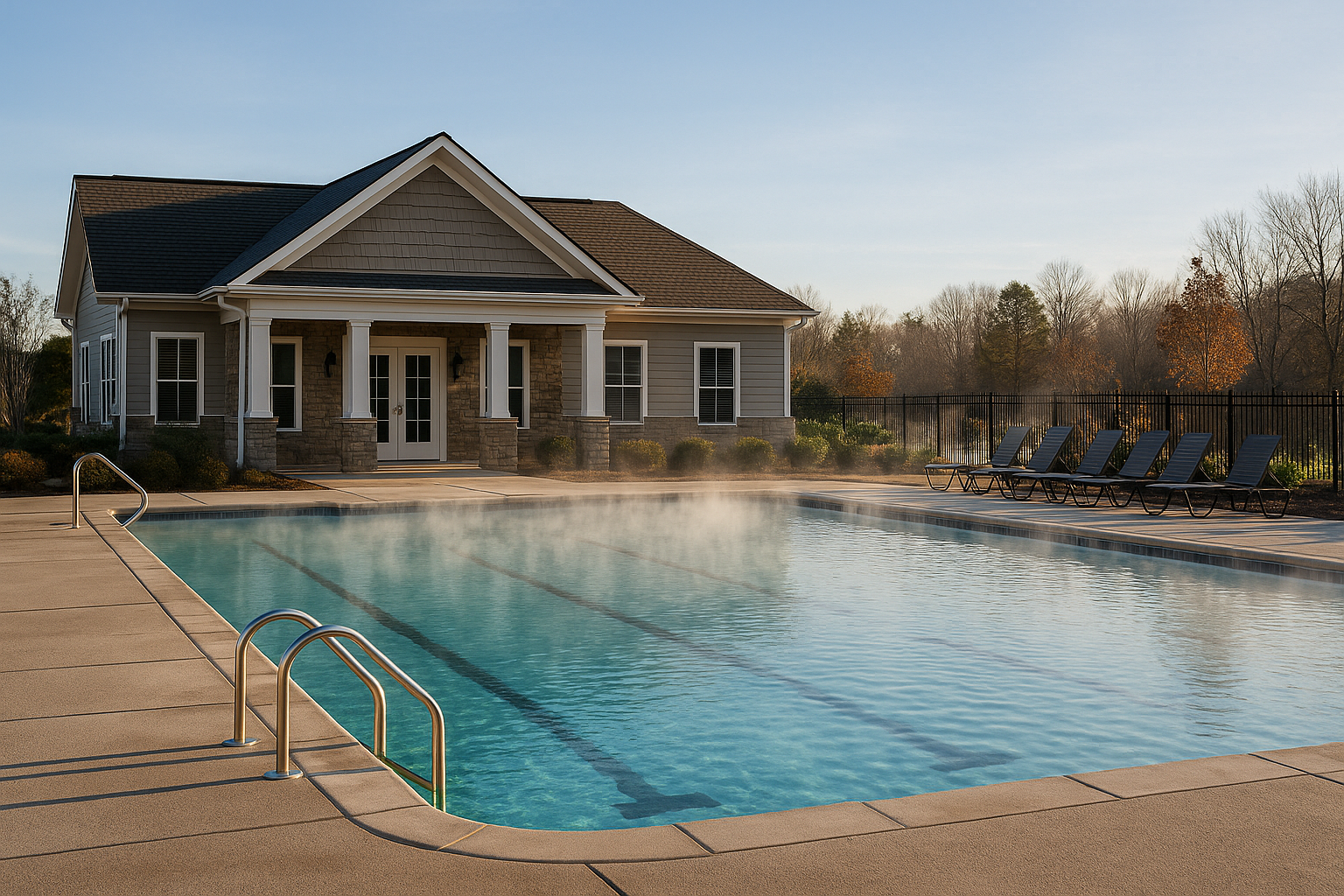
Unlike traditional swimming pools that depend on gas or electric heaters, geothermal pools tap into the Earth’s consistent underground temperature. A geothermal heat pump transfers this natural warmth directly into the pool water, creating a comfortable swimming environment in every season.
The result? A pool that is energy-efficient, eco-friendly, and an upscale amenity that elevates any community clubhouse or recreation area.
Why Geothermal Pools Matter for Community Associations
1. Eco-Friendly Amenity
Geothermal heating dramatically reduces greenhouse gas emissions compared to conventional pool heaters. For community associations committed to green living, this makes geothermal pools a smart, responsible choice.
2. Lower Operating Costs
While the upfront installation cost is higher, the long-term savings on energy bills can be substantial. Communities often find that geothermal systems pay for themselves over time, especially in regions with year-round pool use.
3. Year-Round Comfort
Traditional pools often sit unused in cooler months. With geothermal technology, residents can swim year-round—turning the pool into a four-season gathering place that maximizes value.
4. Increased Property Value
Modern buyers are looking for communities that offer innovative, sustainable amenities. A geothermal pool sets a community apart in a competitive real estate market, boosting both property appeal and resale values.
A Smart Move for the Future
Geothermal pools are more than a luxury—they’re a forward-thinking investment. By embracing geothermal technology, community associations send a strong message about innovation, sustainability, and resident satisfaction.
This amenity enhances community living today while also preparing for tomorrow’s environmental standards. For boards looking to elevate their property while staying eco-conscious, geothermal pools represent the perfect balance between indulgence and responsibility.
Popular in the Community
The Importance of Mulch in Community Landscapes
Written by Heidi Hensell
December 30, 2025
Table of Contents
- Introduction
- What Is Mulch?
- Benefits of Mulch for Communities
- Considerations for HOAs and COAs
- Best Practices for Effective Mulching
- Conclusion
Mulch may seem like a small detail in landscaping, but for homeowners’ associations (HOAs), condominium associations (COAs), and community-managed properties, it plays a vital role in maintaining healthy, attractive, and sustainable outdoor environments. From preserving soil moisture to enhancing visual appeal, mulch delivers a host of benefits that support both aesthetics and practicality in shared spaces.
What Is Mulch?
Mulch is a protective layer of material—organic (like wood chips, shredded leaves, compost, or bark) or inorganic (such as rubber, gravel, or landscape fabric)—spread over soil to improve its condition. It conserves moisture, suppresses weeds, regulates soil temperature, and enhances overall soil health.
Benefits of Mulch for Communities
Moisture Retention
Mulch acts as a shield, helping soil retain water and reducing the frequency of irrigation—saving water and maintenance costs.Weed Suppression
It blocks sunlight from reaching weed seeds, minimizing the need for chemical herbicides or labor-intensive weeding.Soil Health & Enrichment
Organic mulch decomposes over time, enriching the soil with nutrients and improving its structure—promoting healthier plant growth.Temperature Regulation
By insulating the soil, mulch protects roots from temperature extremes, helping plants thrive through hot summers and cold winters.Erosion Prevention
On slopes or near communal walkways, mulch slows water runoff and helps maintain soil integrity.Aesthetic Value
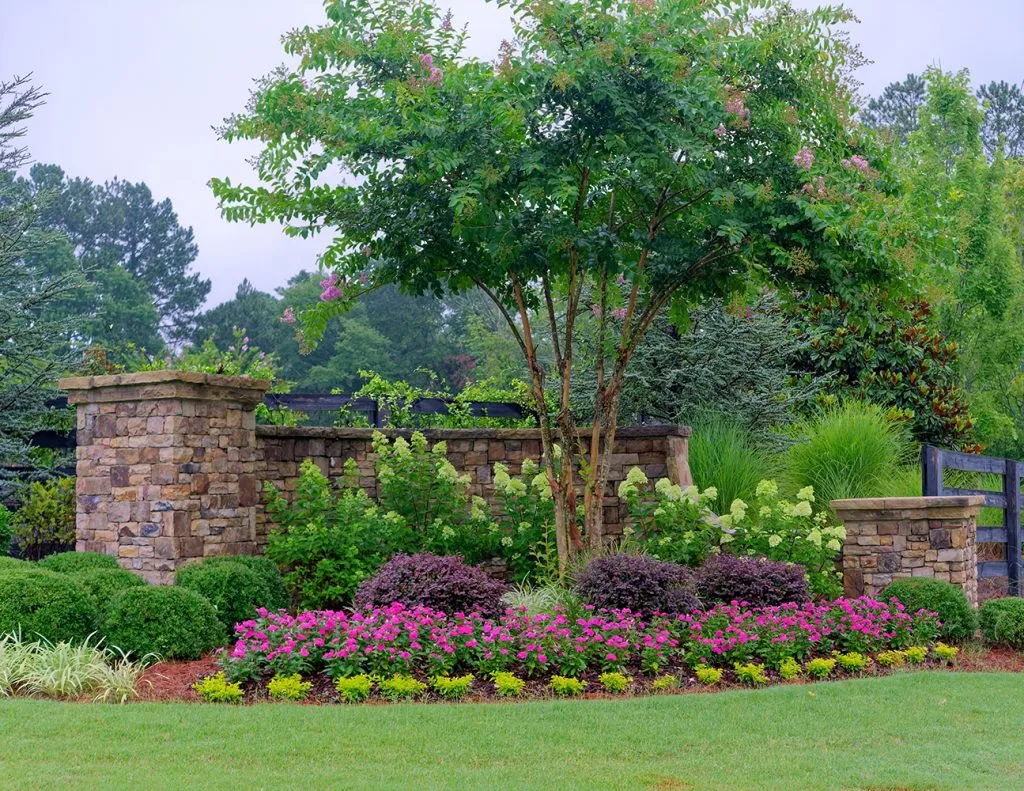
Mulched beds offer a polished, uniform appearance that complements landscape design and boosts curb appeal.
Considerations for HOAs and COAs
While mulch offers many benefits, community associations should consider its ongoing maintenance needs, potential pest attraction, fire risks, and cost. Choosing the right type—organic for soil health or inorganic for minimal maintenance—depends on landscape goals and local conditions.
Best Practices for Effective Mulching
Apply mulch at an appropriate depth (typically 2–3 inches) to ensure effectiveness without suffocating plants.
Avoid piling mulch against plant stems or tree trunks to prevent rot or disease.
Use edging or natural barriers to keep mulch in place—especially important in wet or windy climates.
Reapply mulch annually to maintain its benefits—especially crucial in high-traffic or exposure-prone beds.
Conclusion
Mulch is more than just a decorative layer—it’s a practical, cost-effective solution for enhancing soil health, aesthetics, and maintenance efficiency. By investing in proper mulching practices, HOAs and COAs can foster beautiful, sustainable landscapes that elevate property values and enrich residents’ experiences. Thoughtfully applied mulch delivers lasting benefits for communities, nature, and budgets alike.
Popular in the Community
Enhancing Clubhouse Convenience: The Value of Valet Services for Community Associations

Table of Contents
- Introduction
- Why Valet Services Matter in Community Clubhouses
- Key Benefits of Valet Services for Community Associations
- A Smart Investment in Resident Satisfaction
- Final Thought
For many community associations, the clubhouse is more than just a building—it’s the heartbeat of the neighborhood. From board meetings and seasonal celebrations to weddings, private parties, and holiday gatherings, the clubhouse serves as the hub where residents connect. But as popularity and usage increase, so do the challenges of parking and accessibility. Limited spaces, traffic congestion, and long walks from overflow lots can create frustration for residents and guests.
One simple yet impactful solution? Valet parking services.
Why Valet Services Matter in Community Clubhouses
Valet parking immediately elevates the resident experience. Instead of circling the lot looking for an open spot, residents and guests can simply pull up to the entrance, hand off their keys, and enjoy the event stress-free. This seamless arrival sets the tone for a positive experience from the very beginning.
Valet services also promote inclusivity and accessibility. Elderly residents, families with small children, or individuals with mobility limitations benefit greatly from being dropped off right at the front door. No long walks, no steep curbs—just simple, dignified convenience.
Key Benefits of Valet Services for Community Associations
1. Improved Accessibility
Valet parking ensures that everyone, regardless of age or ability, can participate fully in community events. Easy drop-off points make clubhouses more welcoming and user-friendly.
2. Enhanced Safety
Fewer cars circling or double-parking reduces congestion and lowers the risk of pedestrian accidents. Guests no longer need to navigate dark or crowded lots after events, which improves overall community safety.
3. Elevated Event Appeal
Professional valet attendants add an upscale, well-managed feel to any gathering. From weddings to annual holiday parties, valet service helps transform standard events into memorable, well-organized experiences.
4. Preserved Aesthetics
A clean, car-free entrance enhances curb appeal and makes the clubhouse look polished and inviting. Guests are greeted by a warm welcome—not a tangle of parked vehicles.
A Smart Investment in Resident Satisfaction
Yes, valet parking services come with an added cost. However, many associations view it as a worthwhile investment—especially for high-attendance events or seasonal celebrations. The relatively small expense pays off in resident satisfaction, improved accessibility, and smoother event logistics.
By offering valet service, community boards send a clear message: “We care about your experience.” This attention to detail fosters goodwill, reinforces community pride, and can even boost property values over time by showcasing the association’s commitment to quality amenities and resident care.
Final Thought
As clubhouses continue to serve as vibrant social centers, parking and accessibility will remain top concerns. By adding valet parking for community association events, boards can create smoother, safer, and more enjoyable experiences for residents and guests alike. It’s a thoughtful amenity that transforms potential frustrations into moments of ease—and keeps the focus where it belongs: on connection, celebration, and community.