Copyright © Kaloop 2025 All Right Reserved

Written by Heidi Hensell
January 2, 2026
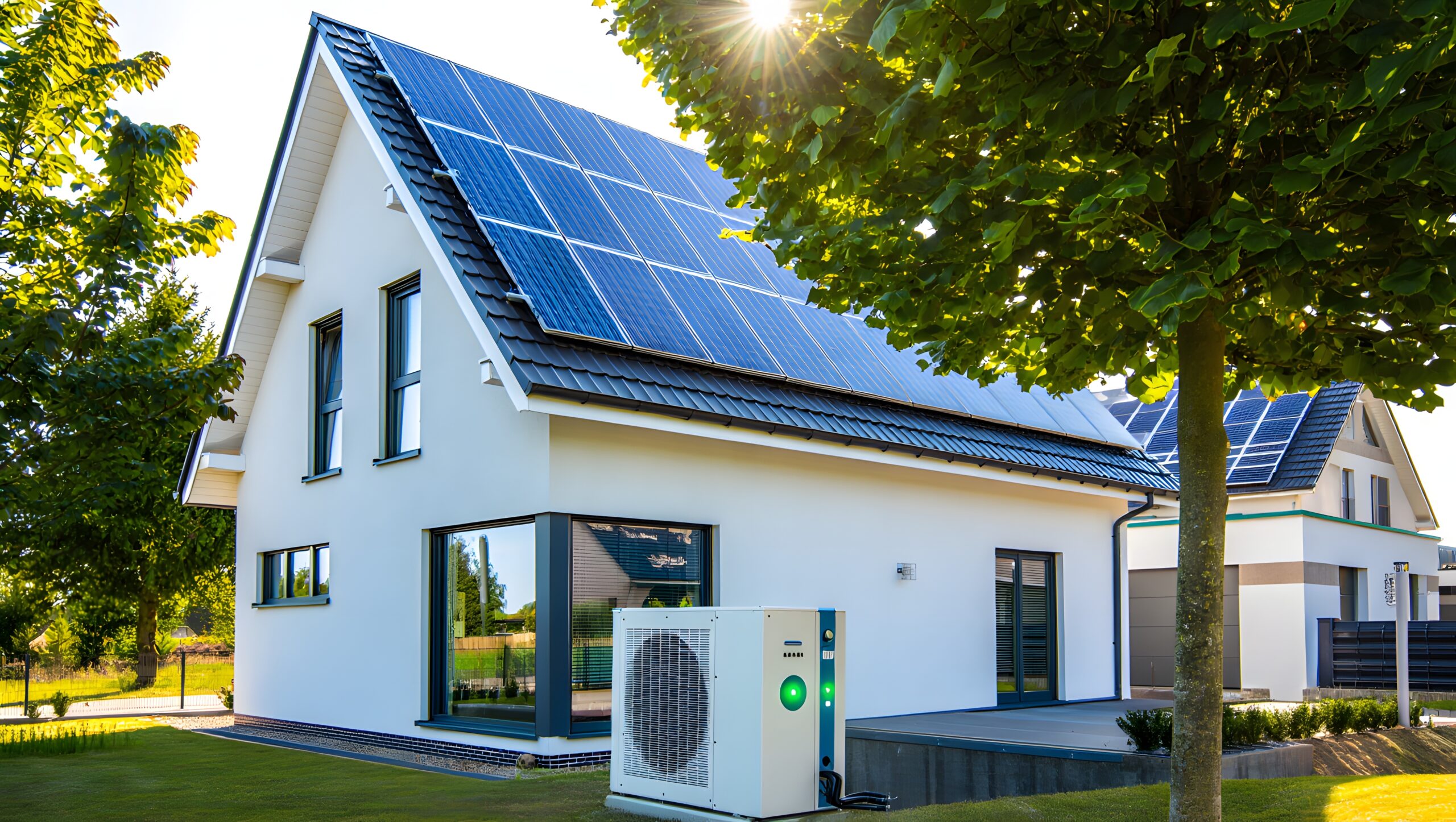
As energy costs climb and sustainability rises in importance, many homeowners and community associations are pondering a key question: Is solar right for us? While solar technology has become more efficient and affordable, it isn’t always the perfect fit. Here’s what to weigh before deciding—both for individuals and community settings like HOAs and COAs.
Lower Energy Bills: Solar panels generate electricity to offset grid usage—cutting monthly utility costs. For communities that power shared amenities like clubhouses or pools, collective solar installations can offer substantial savings.
Environmental Impact: Generating clean, renewable energy helps reduce your carbon footprint and reliance on fossil fuels.
Higher Property Value: Homes equipped with solar panels often sell faster and at a premium, as eco-conscious buyers increasingly value energy-efficient features.
Incentives Available: Federal tax credits (still available through 2025) and local rebates can significantly offset the initial cost.
Shared Solar Options: For residents unable to install panels—renters or shaded homes—community solar can offer access to clean energy without individual installations.
Financial Payback in Some Areas: Particularly in regions like Florida, research suggests well-planned solar + battery setups can break even within a few years, especially for energy-intensive homes.
Grid & Technical Factors: Rooftop PV systems can strain local grids due to two-way electricity flows. Proper planning and storage can mitigate these challenges.
So, is solar right for you or your community? If you can manage the upfront investment—and your property gets good sunlight, and HOA rules are accommodating—it can offer cost savings, environmental gains, and a value boost. But if budget constraints, restrictive rules, or technical limitations are major roadblocks, solar may not make sense just yet.