Smooth Moves: Best Practices for Managing Move-Ins and Move-Outs in Community Associations

Written by Heidi Hensell

October 3, 2025

Table of Contents

Share

Link copied to clipboard!

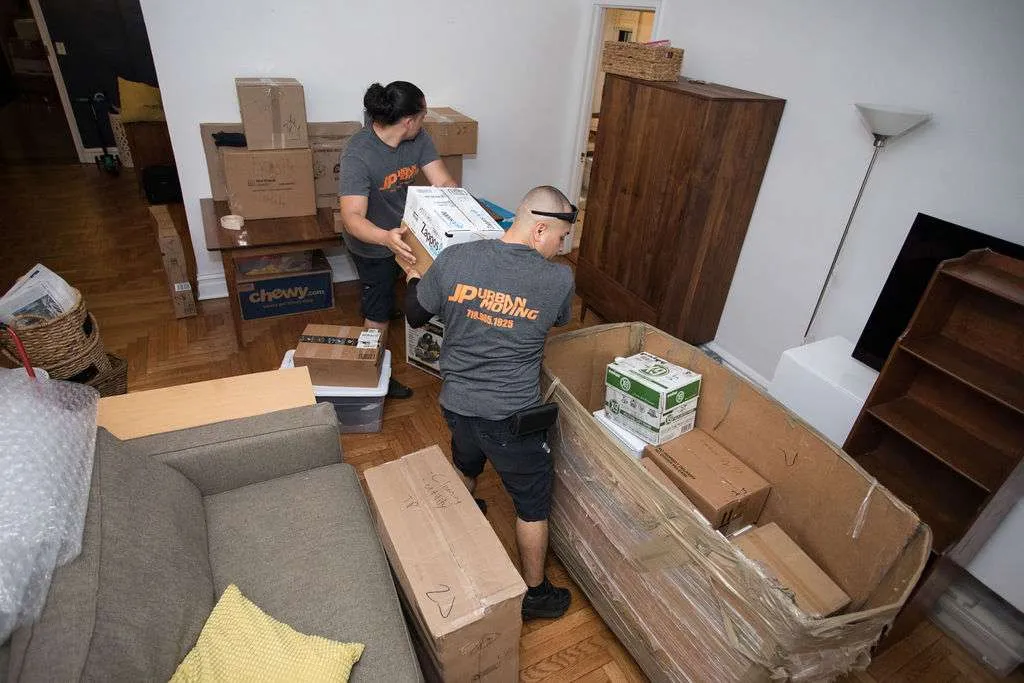
Moving day is one of the most challenging and stressful moments for residents—and a key management test for community associations, especially in Florida’s high-density condos and gated communities. Well-planned coordination brings safety, minimizes disruptions, and ensures a smooth experience for everyone involved.

Why Moving Management Matters

Without clear protocols, moves can trigger elevator damage, block entrances, spark noise complaints, and pose security threats. In Florida’s hurricane-prone and weather-sensitive regions, adding efficient practices ensures resident satisfaction and property protection.

Best Practices for Move Management

  • Reservation & Scheduling System
    Require residents to submit advance move requests. This helps manage elevator and parking access—crucial in vertical communities where space is limited.
  • Clear Move-In/Out Guidelines
    Provide a checklist covering permitted hours, use of service elevators, use of protective coverings, cleanup expectations, and Florida-specific considerations (like weather delays or ground maintenance).
  • Vendor Vetting for Florida Conditions
    Require professional, insured movers familiar with Florida spaces. This ensures both resident belongings and community assets are protected during unpredictable weather or logistical constraints.
  • Security & Access Control
    Enforce mover registration at gates or front desks, and limit access to designated common areas only—essential for safety and to counter opportunistic theft or unauthorized areas.
  • Post-Event Inspections
    Check elevators, lobbies, hallways, and loading zones immediately after moves to catch and repair damage—especially important given Florida’s humidity and higher wear on surfaces.

Leveraging Florida-Specific Resources

According to Florida community management best practices, structured move protocols reduce service disruptions and liability risks for HOAs. Associations that “streamline move‑ins and move‑outs, enhancing community satisfaction and efficiency” are consistently seen as more desirable locations for residents and board members alike.

Conclusion

Moving doesn’t have to be chaotic. Clear communication, structured processes, and smart scheduling make every transition—from high-rise condos to gated communities—safe, respectful, and well-managed. By prioritizing coordination and protection, Florida associations can create a supportive experience for both new and existing residents.

Popular in the Community

Confident Pest Control Worker Wearing Cap Against Truck
Pest Control Guidelines in HOAs – What Homeowners Need to Know
Learn HOA pest control roles—who handles treatments, reporting procedures, eco-friendly approaches, and...
Learn more
0f7b96b52a0b6cf08d5c601c2428ae00
Door Remodels in Community Associations: Curb Appeal, Compliance & Cohesion
Front door upgrades may seem simple, but in condo and HOA settings they impact aesthetics, security,...
Learn more
ChatGPT Image Aug 15, 2025, 04_41_26 PM
Why Certification Matters – Ensuring Competent Leadership in Your HOA or COA Board
Learn why Florida HOA/COA board member certification is vital—deadlines, training content, years of validity,...
Learn more