Copyright © Kaloop 2025 All Right Reserved

Written by Heidi Hensell
October 30, 2025
A robust, well-maintained roof is essential for protecting residents, ensuring safety, and preserving property value in community associations. For Community Association Managers (CAMs) and board members, understanding roofing types common in Florida and how to care for them—especially after hurricane seasons—can prevent costly repairs and extend the roof’s lifespan.
Asphalt Shingle Roofs
The most prevalent roofing choice in Florida, valued for affordability and ease of installation. Architectural shingles typically last 24–30 years, while basic three-tab options last around 15–18 years.
Maintenance Tips: Inspect annually for missing or curled shingles. Keep gutters and valleys clear, and remove algae or moss promptly.
Flat Roofs (BUR, Modified Bitumen, TPO)
Common on multi-family buildings and clubhouses. Built-up, TPO, or modified bitumen applications require smart materials and skilled maintenance.
Maintenance: Twice-yearly inspections, prompt clearing of water pooling, and clean drainage are essential to prevent leaks.
Metal Roofs
Known for durability and energy efficiency, they can last 40–70 years, with some versions exceeding 75 years when well-maintained.
Maintenance: Check for loose panels, rust, and ensure overhanging trees are trimmed away.
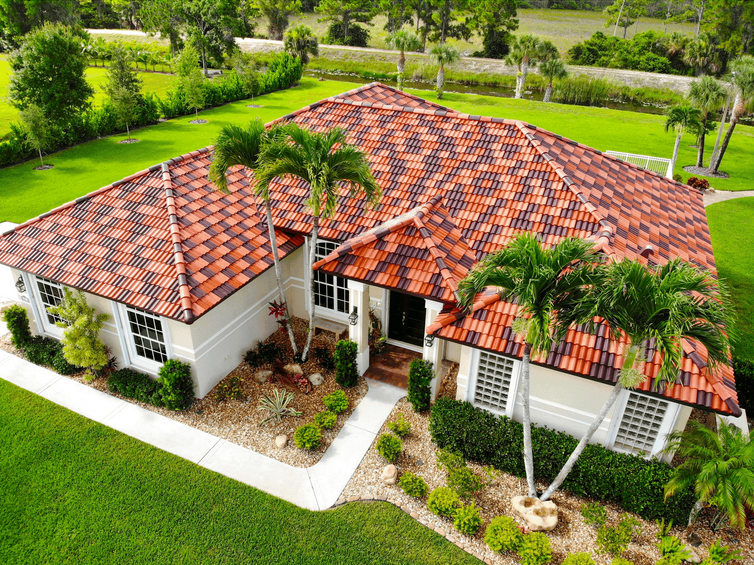
Tile Roofs (Clay or Concrete)
These striking, long-lasting roofs can exceed 50 years, especially in Mediterranean-style communities. Clay and concrete tiles resist rot and insect damage.
Maintenance: Inspect post-storm, remove debris carefully, and hire pros for tile replacement to avoid additional breakage.
Routine Inspections
Conduct inspections at least once a year, and immediately after storms to catch issues early.
Prompt Repairs
Weather and water damage can escalate quickly; address leaks or damage as soon as identified.
Document Everything
Keep records of inspections, repairs, photos, and warranties for transparency and budgeting.
Use Qualified Professionals
Only use licensed and insured roofing contractors familiar with the local roofing types and codes.
Plan for Replacement
Budget proactively for eventual replacements—especially for asphalt and flat roofs—to avoid financial surprises.
Well-maintained roofs safeguard against water damage, mold, and structural degradation. This proactive care preserves insurance rates, enhances curb appeal, and protects property values—benefitting both HOAs and residents long-term.