Copyright © Kaloop 2025 All Right Reserved

Written by Heidi Hensell
October 7, 2025
Fire safety is a core responsibility for Community Association Managers (CAMs). Ensuring that common facilities like clubhouses, gyms, garages, and laundry rooms meet regulatory standards—and that residents understand basic fire safety—is fundamental. A correctly placed and maintained fire extinguisher may seem simple, but it can make all the difference in an emergency.
Common spaces often contain electrical equipment, cooking appliances, or mechanical systems—elements that increase fire risk. Local fire codes and insurance policies generally require fire extinguishers in these zones, making compliance both a safety measure and a legal necessity.
Strategic Placement
Extinguishers should be installed in accessible, visible locations—near exits, in kitchens, mechanical rooms, or laundry areas where risk is higher. This aligns with fire safety best practices in community settings.
Routine Inspections & Professional Maintenance
Monthly checks (often done by staff) for pressure gauge, seal, and visibility.
Annual servicing by certified technicians to verify functionality and compliance.
Track Lifespan & Replace When Needed
Fire extinguishers typically have a useful lifespan of 5 to 15 years, depending on make and model. Replacement should be scheduled when they expire or fail a professional inspection.
Educate Residents & Staff
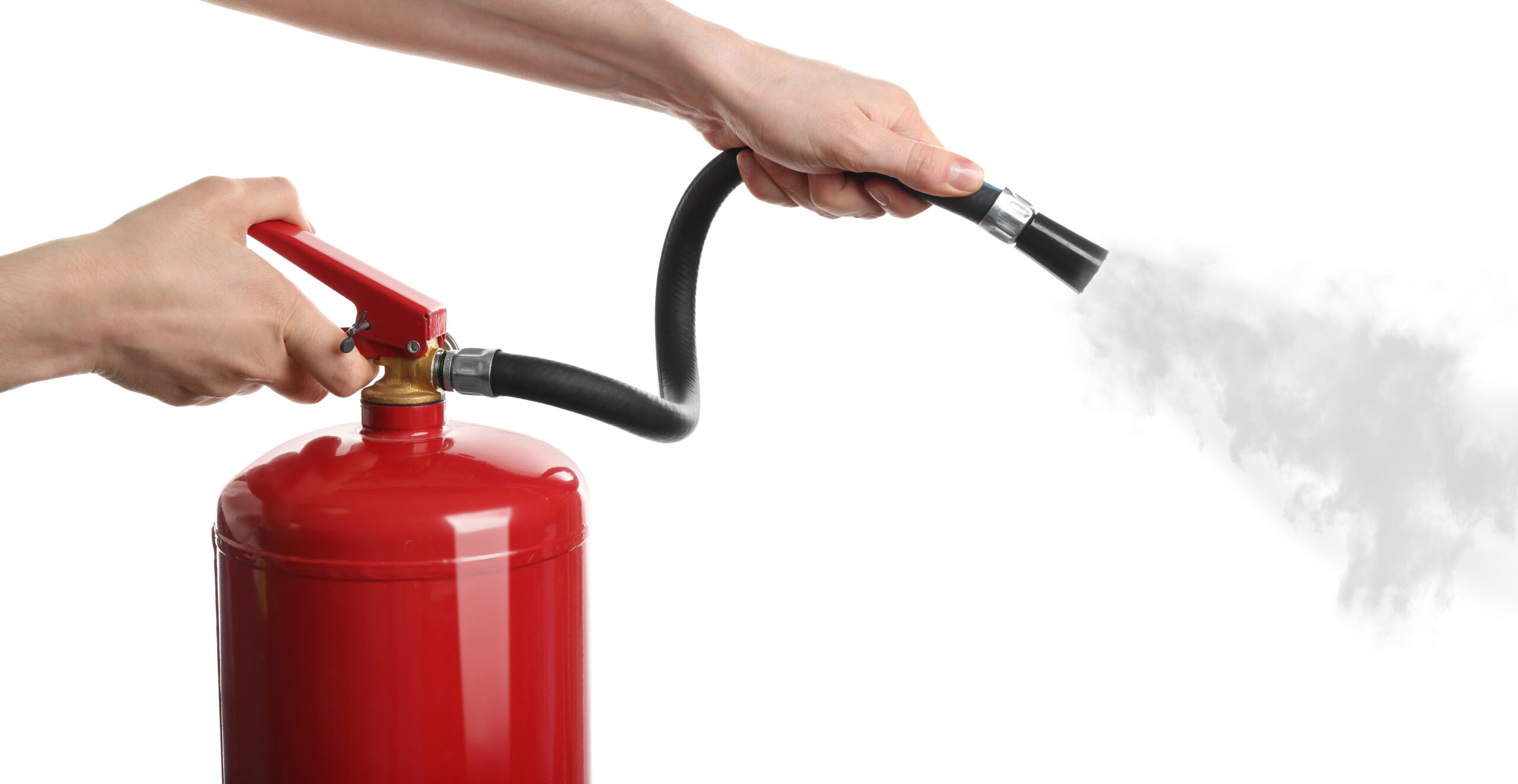
Offer basic training or guidance on using an extinguisher safely, such as teaching the PASS method (Pull, Aim, Squeeze, Sweep). This simple knowledge can be invaluable during emergencies.
Create a Fire Safety Checklist listing inspection dates, locations, and service provider contacts.
Partner with Local Fire Departments for safety walk-throughs or community training sessions.
Ensure Clear Access by not obstructing extinguishers with decorations or furniture.
Display Usage Instructions nearby—making it easier for anyone to act if needed.
Fire extinguishers are more than safety equipment—they are essential community safeguards. For CAMs, proactive and methodical management of these devices shows leadership in safety and due diligence. With proper placement, upkeep, education, and coordination, CAMs can help ensure residents stay safe and secure.