Balconies & Sliders in Community Associations: Ensuring Safety, Clarity & Community Standards

Written by Heidi Hensell

October 31, 2025

Table of Contents

Share

Link copied to clipboard!

In condominiums, balconies and sliding glass doors (sliders) enhance living—but require clear maintenance roles, regular inspections, and safety policies. Learn how associations and residents can navigate shared responsibility effectively.

Why They Matter

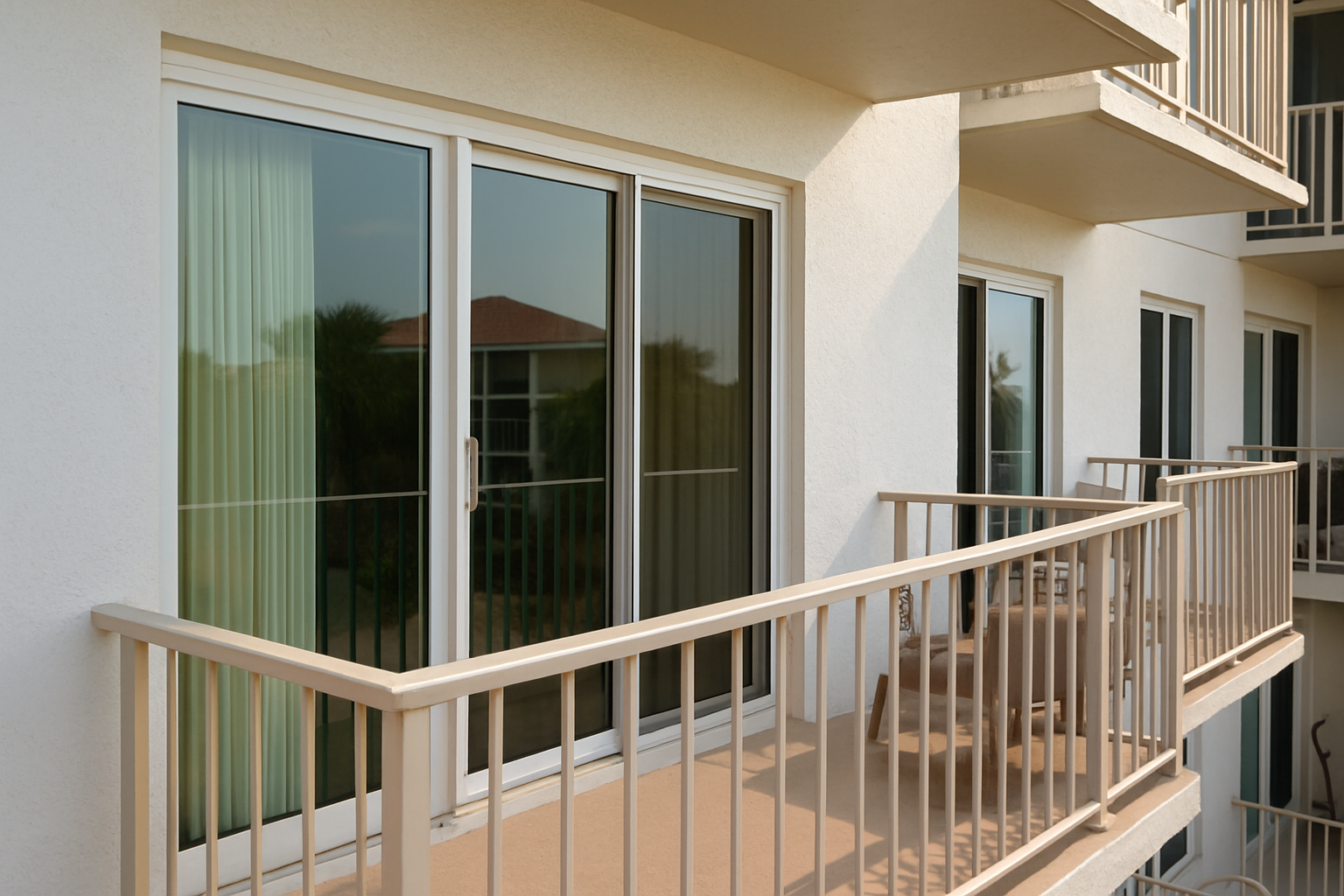
Balconies and sliders are typically classified as limited common elements—structural parts of the building used exclusively by one condo owner. This dual ownership model creates a delicate balance between association-led structural care and homeowner maintenance duties. Establishing clear expectations is vital to maintaining aesthetics, safety, and property integrity.

Key Considerations for Managers & Boards

  1. Maintenance Responsibilities
    Structural upkeep—like reinforcing balcony slabs or tightening railings—usually falls under association responsibility. Meanwhile, cleaning, minor repairs, and weatherproofing of balcony surfaces and slider doors are homeowner responsibilities. Always cross-reference your governing documents to avoid ambiguity.

  2. Safety & Regular Inspections
    Ongoing assessments ensure safety: inspect for cracks, rusted brackets, loose railings, or faulty slider tracks—especially in aging buildings. Early detection helps prevent accidents and secures the structural integrity of both the balcony and property.

  3. Requesting Modifications
    Homeowners may wish to personalize balconies—adding planters, privacy screens, or upgraded sliders with UV protection. A defined process requiring architectural review committee approval ensures safety, style consistency, and community cohesion.

  4. Usage Rules & Restrictions
    Clear guidelines around balcony conduct are key for safety and aesthetics. Restrict grilling, hanging heavy items off railings, or storage of combustible goods. These policies preserve community harmony while mitigating fire risks and unsightly appearances.

The Bigger Picture

Proper management of balconies and sliders protects resident safety, enhances the building’s exterior uniformity, and prevents confusion over ownership responsibilities. Educating both boards and homeowners about these shared responsibilities drives compliance and reduces conflicts.

Best Practices for Associations

  • Clarify in Documents: Clearly articulate balcony and slider responsibilities in condo declarations or HOA guidelines.

  • Schedule Annual Safety Audits: Conduct visual inspections and test slider hardware annually to detect issues early.

  • Provide Modification FAQs: Offer homeowners a step-by-step guide for modification requests with safety tips and design standards.

  • Educate Residents: Share maintenance best practices and seasonal tips through newsletters or community portals—like weatherproofing or mold prevention.

  • Enforce Usage Consistently: Monitor balcony practices and address violations promptly to maintain collective safety.

Conclusion

Balconies and sliders are prized additions in condo living, granting light, comfort, and outdoor space. When managed thoughtfully—with clear maintenance boundaries, inspection routines, and design governance—they remain safe and visually appealing assets. A proactive approach ensures these features continue to enrich community life while maintaining structural integrity and compliance.

Popular in the Community

Confident Pest Control Worker Wearing Cap Against Truck
Pest Control Guidelines in HOAs – What Homeowners Need to Know
Learn HOA pest control roles—who handles treatments, reporting procedures, eco-friendly approaches, and...
Learn more
0f7b96b52a0b6cf08d5c601c2428ae00
Door Remodels in Community Associations: Curb Appeal, Compliance & Cohesion
Front door upgrades may seem simple, but in condo and HOA settings they impact aesthetics, security,...
Learn more
ChatGPT Image Aug 15, 2025, 04_41_26 PM
Why Certification Matters – Ensuring Competent Leadership in Your HOA or COA Board
Learn why Florida HOA/COA board member certification is vital—deadlines, training content, years of validity,...
Learn more