Why Transparency Builds Trust in Condo Communities

Why Transparency Builds Trust in Condo Communities

Written by Chris Abbott

March 26, 2026

Table of Contents

Share

Link copied to clipboard!

Transparency is one of the most powerful leadership tools a condominium association board can use to strengthen trust and promote community stability. When owners clearly understand how decisions are made and how association funds are managed, they are far more likely to support board initiatives and comply with community policies.

In contrast, a lack of transparency often leads to suspicion, frustration, and unnecessary conflict.

The Cost of Poor Communication

When owners do not receive timely information about assessments, repairs, rule enforcement, or major projects, they may assume the worst. Even well-intentioned boards can unintentionally damage credibility if they fail to communicate clearly and consistently.

Silence creates uncertainty. Uncertainty fuels distrust.

Transparent boards prevent this cycle by proactively sharing relevant information and explaining how decisions impact the community.

What Transparency Looks Like in Practice

Transparency does not mean disclosing every internal discussion or confidential matter. Instead, it involves providing clear, accessible information that helps owners stay informed and engaged.

Effective condo associations regularly share:

  • Annual budgets and reserve summaries

  • Monthly or quarterly financial reports

  • Meeting agendas and approved minutes

  • Updates on major repairs or capital projects

  • Explanations for rule changes or assessment increases

When boards explain not just what decisions were made—but why—owners are more likely to view leadership as responsible and thoughtful.

Financial Transparency Builds Confidence

Financial transparency is especially critical in condominium communities. Owners want reassurance that their assessments are being managed responsibly and that the association remains financially healthy.

Complex financial reports can be confusing. Providing simplified summaries, hosting budget meetings, or offering Q&A sessions can demystify reserve funding, operating expenses, and capital improvement planning.

When owners understand how their money is allocated, anxiety decreases—and support increases.

Transparency Strengthens Accountability

Open communication naturally promotes accountability. Boards that operate transparently are more likely to follow proper procedures, document decisions carefully, and seek professional guidance when needed.

Transparency also encourages owner participation. When residents feel informed, they are more likely to attend meetings, serve on committees, and contribute positively to the community.

Rather than creating division, transparency positions the board as a partner in protecting property values and maintaining quality of life.

Building a Culture of Trust

In condominium communities, trust is essential. It reduces disputes, supports smoother project approvals, and creates a more cooperative environment overall.

By prioritizing proactive communication, financial clarity, and consistent enforcement of policies, condo boards can build a culture of openness that benefits everyone.

Transparent leadership does more than share information—it fosters confidence, strengthens relationships, and ensures long-term community stability.

Popular in the Community

ChatGPT Image Mar 3, 2026, 04_28_39 PM
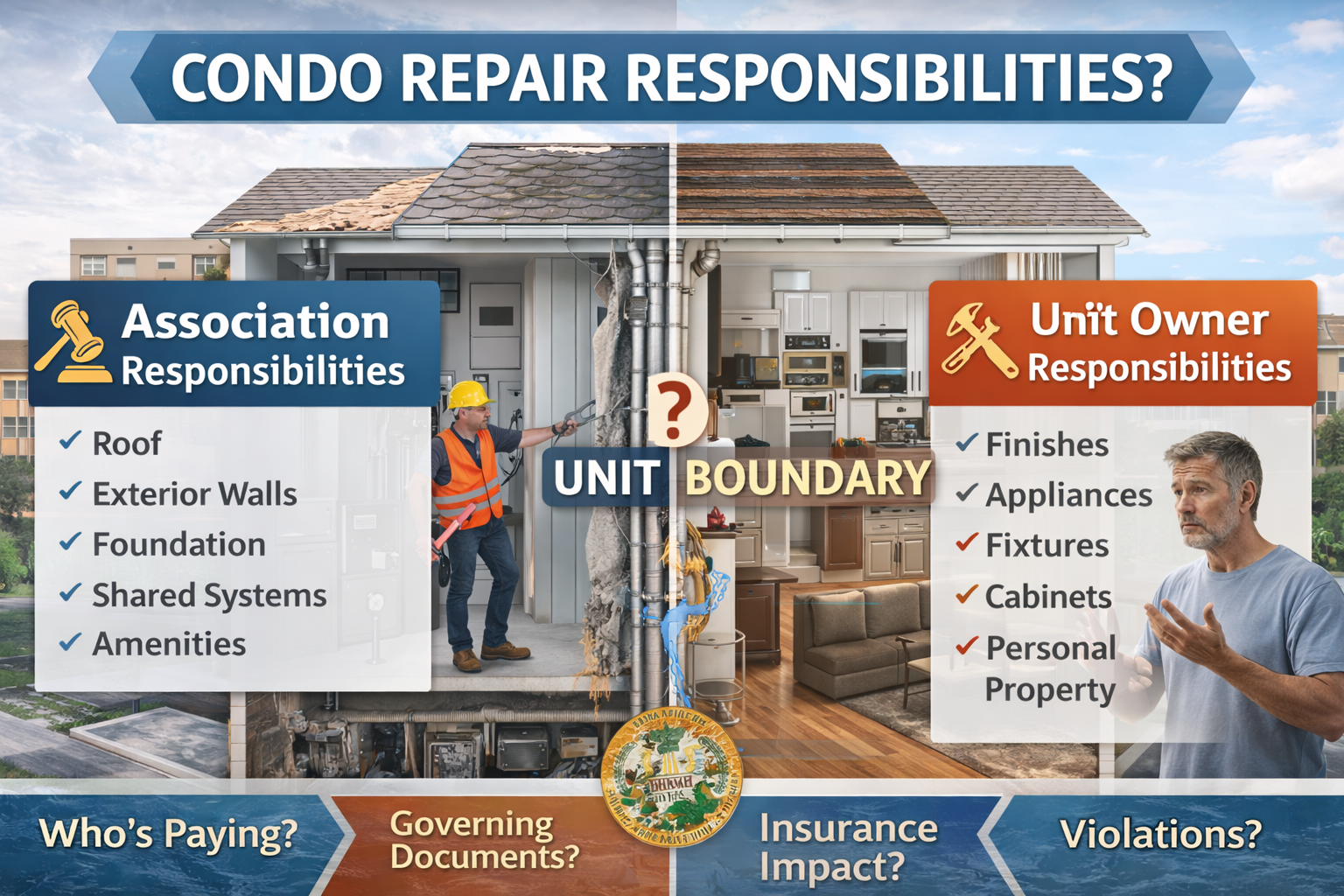
Who Is Responsible for Repairs in a Condo? Understanding Association vs. Owner Obligations
Confused about condo repair responsibilities? Learn how Florida condo associations and unit owners divide...

Learn more
ChatGPT Image Mar 3, 2026, 04_20_15 PM
What Happens When Condo or HOA Owners Refuse Access for Repairs?
Learn what happens when condo or HOA owners refuse access for necessary repairs. Understand association...
Learn more
ChatGPT Image Mar 3, 2026, 04_10_10 PM
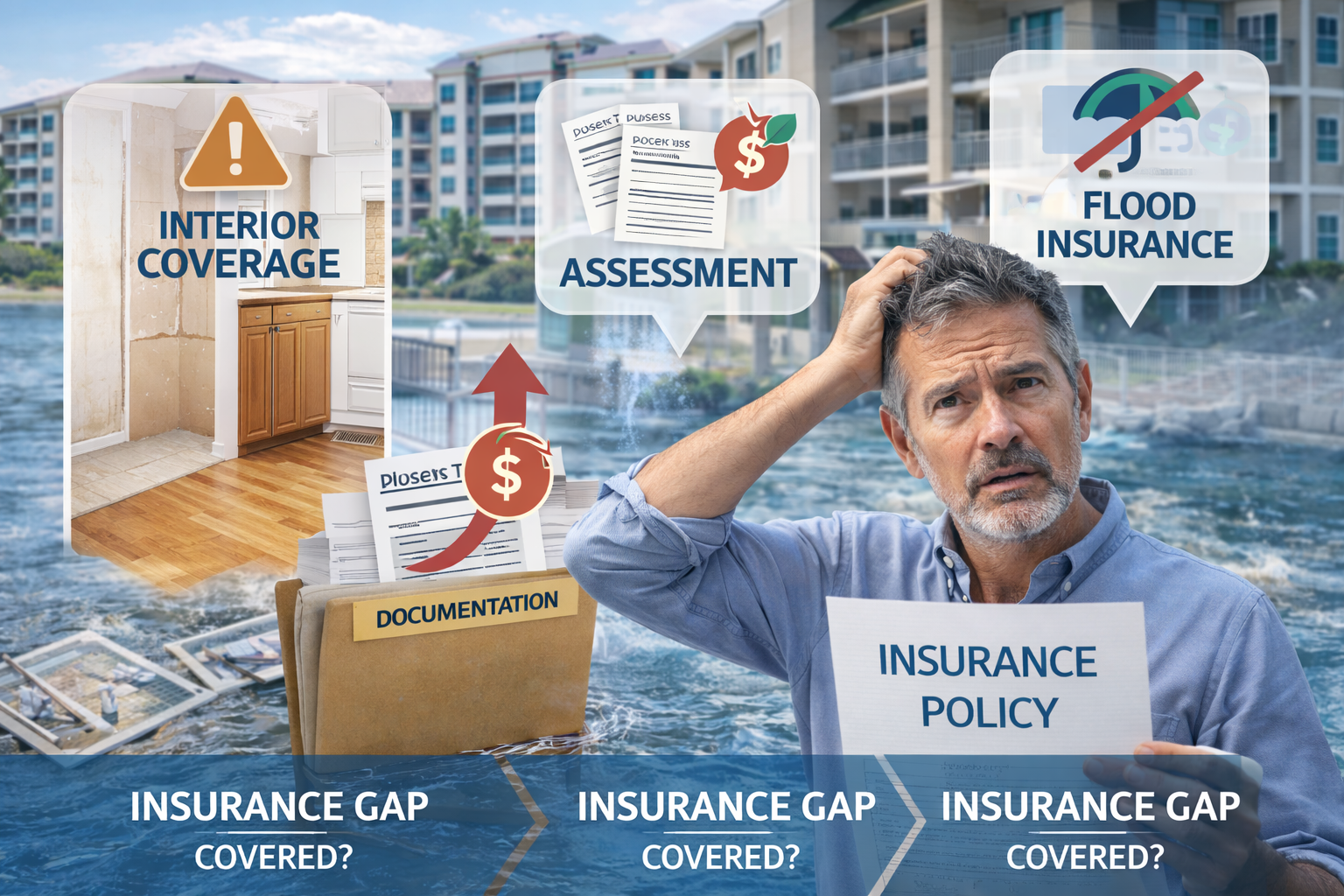
Common Insurance Gaps That Surprise Condo and HOA Owners
Discover common condo and HOA insurance gaps, including interior coverage limits, loss assessment risks,...
Learn more

Vacation Rentals in Florida HOAs & COAs: Compliance Tips and Best Practices
Vacation Rentals in Florida HOAs & COAs: Compliance Tips and Best Practices

Written by Chris Abbott

March 24, 2026

Table of Contents

Share

Link copied to clipboard!

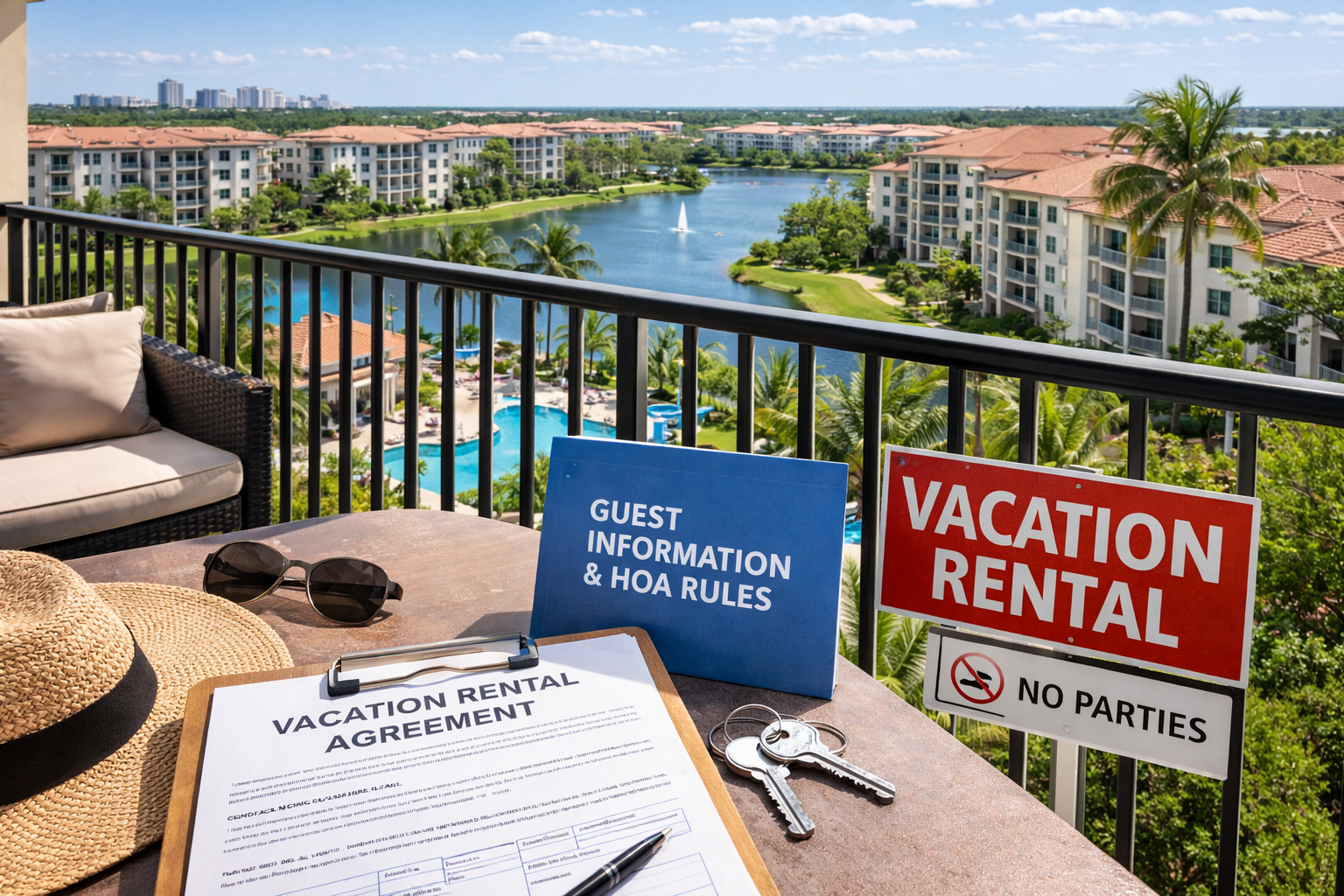
Vacation rentals have become increasingly popular across Florida, offering homeowners flexible income opportunities and increased property use options. However, within homeowners associations (HOAs) and condominium owners associations (COAs), short-term rentals must be carefully managed to maintain compliance, protect property values, and preserve community harmony.

Balancing owner flexibility with legal compliance and neighbor relations is essential for successful vacation rental integration.

Understanding Florida HOA & COA Rental Restrictions

Most Florida associations have governing documents that outline specific rules regarding short-term rentals. These restrictions often include:

  • Minimum rental periods (e.g., 30-day minimums)

  • Maximum occupancy limits

  • Caps on the number of rentals per year

  • Guest registration or board approval requirements

  • Parking and amenity usage guidelines

Before listing a property on vacation rental platforms, owners must thoroughly review their association’s declaration, bylaws, and rules and regulations. Violating rental policies can result in fines, suspension of common area privileges, legal action, or forced termination of rental agreements.

Clear policies protect both the association and individual homeowners.

Insurance Considerations for Short-Term Rentals

Insurance is one of the most overlooked aspects of vacation rentals in Florida HOAs and COAs. Standard homeowners insurance policies often exclude coverage for business-related activities, including short-term rentals.

Best practices include:

  • Confirming coverage for rental activity with your insurer

  • Obtaining a landlord or short-term rental endorsement

  • Carrying adequate liability insurance

  • Ensuring compliance with association insurance requirements

Many associations require proof of rental insurance before approving leases. Adequate coverage protects owners, guests, and the broader community from liability risks.

Board Responsibilities and Enforcement Strategies

For association boards, enforcement and communication are critical. A proactive approach reduces disputes and strengthens compliance.

Effective board strategies include:

  • Publishing clear rental guidelines

  • Providing educational materials for owners

  • Establishing consistent enforcement policies

  • Maintaining accurate rental registration records

  • Responding promptly to violations

Consistency is key. Selective enforcement can expose associations to legal challenges and undermine community trust.

Best Practices for Owners Renting in Associations

Owners play an equally important role in maintaining community standards. Responsible rental practices include:

  • Communicating association rules to guests

  • Implementing structured check-in and check-out procedures

  • Monitoring occupancy limits

  • Ensuring guests follow parking and amenity rules

  • Maintaining transparency with management or the board

Guests who understand community expectations are more likely to respect common areas and neighboring residents.

Balancing Flexibility with Community Harmony

Florida’s strong tourism market makes vacation rentals attractive, but associations must protect long-term property values and resident quality of life. Clear policies, proper insurance coverage, and consistent enforcement allow communities to integrate rentals without compromising safety or stability.

When managed properly, vacation rentals can coexist within HOAs and COAs while maintaining financial health and neighbor relations.

By understanding governing documents, complying with insurance requirements, and implementing best practices, Florida associations can successfully navigate the complexities of short-term rentals—ensuring compliance, minimizing disputes, and preserving community harmony.

Popular in the Community

ChatGPT Image Mar 3, 2026, 04_28_39 PM
Who Is Responsible for Repairs in a Condo? Understanding Association vs. Owner Obligations
Confused about condo repair responsibilities? Learn how Florida condo associations and unit owners divide...
Learn more
ChatGPT Image Mar 3, 2026, 04_20_15 PM
What Happens When Condo or HOA Owners Refuse Access for Repairs?
Learn what happens when condo or HOA owners refuse access for necessary repairs. Understand association...
Learn more
ChatGPT Image Mar 3, 2026, 04_10_10 PM
Common Insurance Gaps That Surprise Condo and HOA Owners
Discover common condo and HOA insurance gaps, including interior coverage limits, loss assessment risks,...
Learn more

Florida HOA & COA Reserve Funding Methodologies: A Complete Guide to Financial Stability

Florida HOA & COA Reserve Funding Methodologies: A Guide to Long-Term Financial Stability

Written by Chris Abbott

March 19, 2026

Table of Contents

Share

Link copied to clipboard!

Proper reserve funding is essential for Florida homeowners associations (HOAs) and condominium associations (COAs) to maintain long-term financial stability. Reserve funds are designated savings accounts used to cover major repairs and capital replacements—such as roofs, elevators, structural components, pools, paving, and mechanical systems. Without adequate reserves, associations risk imposing costly special assessments or facing unexpected financial shortfalls.

What Is a Reserve Funding Methodology?

A reserve funding methodology is the strategy an association uses to calculate how much money should be saved, how often contributions should be made, and how future repair or replacement costs are projected. It ensures that funds are available when major components reach the end of their useful life.

A properly structured reserve plan accounts for:

  • Estimated remaining useful life of common elements

  • Current replacement costs

  • Inflation and construction cost increases

  • Ongoing annual contributions

  • Cash flow projections over time

For Florida associations, having a clear methodology is not just good practice—it strengthens financial transparency and supports property values.

Common Reserve Funding Methods Used in Florida

1. Component-Based (Straight-Line) Funding

Component funding evaluates each major asset individually. Every roof, elevator, pool, or structural component is assigned a specific cost and remaining lifespan. The association contributes annually toward each item so that sufficient funds are available when replacement is needed.

Benefits:

  • Highly transparent

  • Easier to track individual assets

  • Reduces risk of underfunding specific components

This method is often preferred by boards seeking predictability and detailed financial planning.

2. Pooled (Cash Flow) Funding

Pooled funding combines all reserve components into one overall reserve pool. Instead of funding each asset separately, contributions are calculated to maintain a healthy overall reserve balance over time.

Benefits:

  • Greater flexibility in cash management

  • Often results in lower annual contributions

  • Allows surplus from one component to offset another

While flexible, pooled funding requires careful forecasting and professional reserve analysis to avoid future shortfalls.

Why Reserve Planning Matters for Florida Associations

Florida’s climate accelerates wear and tear on buildings and infrastructure. Hurricanes, humidity, salt exposure, and heavy rainfall increase maintenance demands. Proactive reserve planning helps associations:

  • Maintain adequate funds for repairs and replacements

  • Avoid unexpected special assessments

  • Support lender and buyer confidence

  • Demonstrate fiscal responsibility

  • Comply with governing documents and industry best practices

Lenders and prospective buyers frequently review reserve studies during real estate transactions. Well-funded reserves can positively influence property marketability and financing approvals.

Best Practices for HOA & COA Reserve Funding

To ensure financial health, boards should:

  • Conduct regular professional reserve studies

  • Review funding strategies annually

  • Adjust contributions for inflation and rising construction costs

  • Clearly communicate reserve plans to homeowners

  • Work with experienced reserve specialists and financial advisors

Whether your Florida community is initiating its first reserve study or updating an existing plan, selecting the right funding methodology is critical. A structured, forward-thinking approach protects both the association and its residents—preserving property values and preventing financial strain.

Strong reserve planning today means fewer financial surprises tomorrow.

Popular in the Community

ChatGPT Image Mar 3, 2026, 04_28_39 PM
Who Is Responsible for Repairs in a Condo? Understanding Association vs. Owner Obligations
Confused about condo repair responsibilities? Learn how Florida condo associations and unit owners divide...
Learn more
ChatGPT Image Mar 3, 2026, 04_20_15 PM
What Happens When Condo or HOA Owners Refuse Access for Repairs?
Learn what happens when condo or HOA owners refuse access for necessary repairs. Understand association...
Learn more
ChatGPT Image Mar 3, 2026, 04_10_10 PM
Common Insurance Gaps That Surprise Condo and HOA Owners
Discover common condo and HOA insurance gaps, including interior coverage limits, loss assessment risks,...
Learn more

Continuing Education for Florida Community Association Managers

Continuing Education for Florida Community Association Managers

Written by Heidi Hensell

March 12, 2026

Table of Contents

Share

Link copied to clipboard!

In Florida, Community Association Managers (CAMs) play a critical role in ensuring condominium associations (COAs) and homeowners associations (HOAs) operate smoothly and in compliance with state law. To maintain an active professional license, CAMs are required by the Florida Department of Business & Professional Regulation (DBPR) to complete continuing education (CEU) courses every two years.

Continuing Education Requirements

Licensed Florida CAMs must meet the following CEU requirements:

  • 18 hours of continuing education every two years

  • Coursework must address topics relevant to community association management, including governance, legal compliance, financial management, insurance, and maintenance operations

  • At least 3 hours must focus on Florida-specific laws governing condominiums, cooperatives, and homeowners’ associations

  • All CEUs must be completed through DBPR-approved education providers and properly documented for license renewal

Failing to meet these requirements can delay license renewal and disrupt a manager’s ability to legally practice in Florida.

Why CEUs Matter

Continuing education does more than satisfy licensing requirements—it keeps CAMs current on changes in Florida statutes, administrative rules, and industry best practices. Florida communities face unique challenges, including hurricane preparedness, reserve funding requirements, insurance market shifts, liability exposure, and evolving HOA and COA governance laws.

CEU courses help managers minimize risk, support boards with informed guidance, and navigate complex operational decisions with confidence. In addition, continuing education offers valuable opportunities for professional development and networking. CAMs can exchange insights with peers, learn new tools and strategies, and engage directly with industry experts.

Ongoing education ensures Florida’s COAs and HOAs are managed by professionals who are knowledgeable, compliant, and prepared to guide their communities toward long-term stability and success. For any Community Association Manager in Florida, continuing education is not just a requirement—it is a cornerstone of professional competence and responsible community leadership.

Popular in the Community

ChatGPT Image Mar 3, 2026, 04_28_39 PM
Who Is Responsible for Repairs in a Condo? Understanding Association vs. Owner Obligations
Confused about condo repair responsibilities? Learn how Florida condo associations and unit owners divide...
Learn more
ChatGPT Image Mar 3, 2026, 04_20_15 PM
What Happens When Condo or HOA Owners Refuse Access for Repairs?
Learn what happens when condo or HOA owners refuse access for necessary repairs. Understand association...
Learn more
ChatGPT Image Mar 3, 2026, 04_10_10 PM
Common Insurance Gaps That Surprise Condo and HOA Owners
Discover common condo and HOA insurance gaps, including interior coverage limits, loss assessment risks,...
Learn more

Florida HB 657: What It Means for Community Association Residents

Florida HB 657: What It Means for Community Association Residents

Written by Heidi Hensell

February 12, 2026

Table of Contents

Share

Link copied to clipboard!

Florida’s HB 657 continues the state’s push toward greater transparency and accountability in homeowners associations (HOAs) and condominium owners’ associations (COAs). The legislation focuses on improving how associations manage records, document decisions, and communicate with owners—giving residents clearer insight into how their communities are governed.

Under HB 657, associations face strengthened expectations for maintaining and providing access to official records, including financial documents, meeting materials, and board actions. The bill reinforces the importance of accurate documentation, timely record retention, and consistent procedures that allow owners to better understand how budgets, assessments, and major decisions are made.

For residents, these changes are designed to reduce confusion and increase confidence in association operations. Clearer access to records helps owners stay informed about how funds are used, why assessments change, and what decisions may impact property values or long-term maintenance planning. HB 657 also encourages owners to remain engaged by reviewing governing documents, attending meetings, and using established communication channels to stay informed.

For boards and community association managers, HB 657 underscores the importance of organized recordkeeping, documented governance practices, and transparency-driven communication. Associations that maintain orderly records and consistent procedures are better positioned to respond to owner requests, avoid disputes, and demonstrate compliance with state law.

Ultimately, HB 657 supports stronger community governance by balancing owner access with responsible association management. By reinforcing oversight and clarity, the bill helps protect both residents and associations while promoting trust, accountability, and informed participation across Florida’s shared-interest communities.

Popular in the Community

ChatGPT Image Mar 3, 2026, 04_28_39 PM
Who Is Responsible for Repairs in a Condo? Understanding Association vs. Owner Obligations
Confused about condo repair responsibilities? Learn how Florida condo associations and unit owners divide...
Learn more
ChatGPT Image Mar 3, 2026, 04_20_15 PM
What Happens When Condo or HOA Owners Refuse Access for Repairs?
Learn what happens when condo or HOA owners refuse access for necessary repairs. Understand association...
Learn more
ChatGPT Image Mar 3, 2026, 04_10_10 PM
Common Insurance Gaps That Surprise Condo and HOA Owners
Discover common condo and HOA insurance gaps, including interior coverage limits, loss assessment risks,...
Learn more

St. Patrick’s Day in Your Florida HOA or COA: Celebrating Safely

St. Patrick’s Day in Your Florida HOA or COA: Celebrating Safely

Written by Heidi Hensell

March 10, 2026

Table of Contents

Share

Link copied to clipboard!

March 17 is just around the corner, and many Florida communities look forward to celebrating St. Patrick’s Day with friends, food, and festive gatherings. For condominium associations (COAs) and homeowners associations (HOAs), celebrating safely means balancing fun with compliance—especially when events involve common areas, noise, or alcohol.

Many associations have specific rules governing the use of common areas such as clubhouses, pools, patios, and green spaces. These rules may address reservation requirements, guest limits, cleanup responsibilities, noise levels, and alcohol consumption. Before hosting a St. Patrick’s Day gathering, residents should review their governing documents to ensure their plans align with community policies.

Florida law also plays a role. Open container laws generally prohibit alcohol consumption in public areas unless the location is properly licensed. Any sale or service of alcohol must comply with state regulations, and associations should avoid activities that could unintentionally create liability exposure. Even well-meaning celebrations can lead to issues if alcohol laws or community rules are overlooked.

Boards can support a safe and enjoyable holiday by reminding residents of applicable rules, encouraging responsible behavior, and reinforcing quiet hours. Clear communication ahead of the holiday helps prevent misunderstandings, complaints, and potential violations.

Residents who wish to host larger gatherings may consider private, well-managed events within their homes or using licensed venues outside the community. These options allow everyone to enjoy the holiday spirit without creating disruptions or risking fines.

By staying informed about association rules and Florida alcohol laws, HOAs and COAs can enjoy St. Patrick’s Day celebrations that are festive, respectful, and safe—keeping the spirit of green alive for the whole community.

Popular in the Community

ChatGPT Image Mar 3, 2026, 04_28_39 PM
Who Is Responsible for Repairs in a Condo? Understanding Association vs. Owner Obligations
Confused about condo repair responsibilities? Learn how Florida condo associations and unit owners divide...
Learn more
ChatGPT Image Mar 3, 2026, 04_20_15 PM
What Happens When Condo or HOA Owners Refuse Access for Repairs?
Learn what happens when condo or HOA owners refuse access for necessary repairs. Understand association...
Learn more
ChatGPT Image Mar 3, 2026, 04_10_10 PM
Common Insurance Gaps That Surprise Condo and HOA Owners
Discover common condo and HOA insurance gaps, including interior coverage limits, loss assessment risks,...
Learn more

Noise Compliance in Florida COAs and HOAs: What Residents Should Know

Noise Compliance in Florida COAs and HOAs: What Residents Should Know

Written by Heidi Hensell

March 3, 2026

Table of Contents

Share

Link copied to clipboard!

In Florida’s community associations, noise rules are more than a matter of courtesy. They are tied directly to local code enforcement laws and each association’s governing documents. Cities and counties across Florida establish quiet-hour standards and decibel limits, and condominium associations (COAs) and homeowners associations (HOAs) may adopt additional rules to protect quality of life in shared living environments.

Common noise concerns in Florida communities include loud music, short-term rental activity, balcony or patio gatherings, barking pets, and construction or renovation work outside approved hours. Associations typically expect residents to comply with both local noise ordinances and community-specific rules. When violations occur, boards may issue written warnings, levy fines, or refer unresolved issues to local code enforcement.

Residents who are unsure which standards apply should review:

  • Their association’s declaration, bylaws, and rules and regulations
  • Posted quiet hours and nuisance provisions
  • Applicable city or county noise ordinances

When disturbances are ongoing, residents are encouraged to document incidents carefully, submit complaints in writing to management or the board, and avoid direct confrontation with neighbors. Maintaining a clear record helps associations address issues consistently and fairly.

Boards, meanwhile, play an important role in enforcement. Applying noise rules uniformly, keeping written records of complaints and responses, and coordinating with local authorities when necessary helps protect the association from claims of selective enforcement. Clear communication of expectations also reduces repeat violations.

At its core, noise compliance is about preserving peaceful enjoyment in close-living environments. When residents understand the rules and associations enforce them consistently, community life sounds a whole lot better for everyone.

Popular in the Community

ChatGPT Image Mar 3, 2026, 04_28_39 PM
Who Is Responsible for Repairs in a Condo? Understanding Association vs. Owner Obligations
Confused about condo repair responsibilities? Learn how Florida condo associations and unit owners divide...
Learn more
ChatGPT Image Mar 3, 2026, 04_20_15 PM
What Happens When Condo or HOA Owners Refuse Access for Repairs?
Learn what happens when condo or HOA owners refuse access for necessary repairs. Understand association...
Learn more
ChatGPT Image Mar 3, 2026, 04_10_10 PM
Common Insurance Gaps That Surprise Condo and HOA Owners
Discover common condo and HOA insurance gaps, including interior coverage limits, loss assessment risks,...
Learn more

BBQ Pits and “Public” Bathrooms in COAs: Balancing Fun and Responsibility

BBQ Pits and “Public” Bathrooms in COAs: Balancing Fun and Responsibility

Written by Heidi Hensell

February 26, 2026

Table of Contents

Share

Link copied to clipboard!

BBQ pits and shared bathrooms in condominium association (COA) common areas can significantly enhance community life. These amenities encourage social interaction, convenience, and outdoor enjoyment—but they also come with rules and responsibilities that boards and residents must understand and respect.

BBQ Pits: Fun with Safety in Mind

BBQ pits are popular gathering spots for residents and guests, making safety the top priority. COA boards typically regulate where grills may be located, what types are permitted (such as gas versus charcoal), and who is responsible for cleanup and routine maintenance. Clear guidelines help reduce the risk of fire hazards, property damage, and neighbor disputes.

Some associations require grills to be supervised at all times, prohibit use during certain weather conditions, or ask residents to sign usage agreements. These measures are not meant to limit enjoyment, but to ensure that shared spaces remain safe and accessible for everyone.

Public Bathrooms: Convenience Requires Care

Public bathrooms located near pools, parks, or clubhouses offer valuable convenience, especially during community events. However, maintaining these facilities requires consistent attention. Cleanliness, accessibility, and compliance with health and safety codes are essential responsibilities for the association.

Most COAs schedule regular cleaning, inspections, and maintenance, while also posting guidelines to encourage respectful use. Proper upkeep not only protects resident health but also preserves the condition of shared facilities and reduces long-term repair costs.

Shared Amenities, Shared Responsibility

When managed properly, BBQ pits and public bathrooms can greatly enhance community enjoyment. Clear policies, consistent maintenance, and resident cooperation allow these amenities to remain clean, safe, and welcoming. Balancing fun with responsibility ensures that everyone can enjoy common areas while protecting the community’s investment.

Popular in the Community

ChatGPT Image Mar 3, 2026, 04_28_39 PM
Who Is Responsible for Repairs in a Condo? Understanding Association vs. Owner Obligations
Confused about condo repair responsibilities? Learn how Florida condo associations and unit owners divide...
Learn more
ChatGPT Image Mar 3, 2026, 04_20_15 PM
What Happens When Condo or HOA Owners Refuse Access for Repairs?
Learn what happens when condo or HOA owners refuse access for necessary repairs. Understand association...
Learn more
ChatGPT Image Mar 3, 2026, 04_10_10 PM
Common Insurance Gaps That Surprise Condo and HOA Owners
Discover common condo and HOA insurance gaps, including interior coverage limits, loss assessment risks,...
Learn more

Before You Buy in Florida — Why You Should Read the Governing Documents First

Before You Buy in Florida — Why You Should Read the Governing Documents First

Written by Heidi Hensell

February 24, 2026

Table of Contents

Share

Link copied to clipboard!

In Florida, many homes are part of a homeowners association (HOA) or condominium association (COA). Along with palm trees, pools, and shared amenities comes something far less scenic—but just as important: the governing documents. Before you buy, reviewing these documents may be one of the smartest and most protective steps you can take.

Governing documents typically include the declaration, bylaws, rules and regulations, and any architectural or leasing guidelines. Together, they explain how the community functions, what you own individually, what the association maintains, and what rules shape everyday life. These documents are not just formalities—they define expectations, responsibilities, and limitations that directly affect your lifestyle and finances.

Start with the declaration, often considered the foundation of the community. It outlines ownership boundaries, maintenance obligations, common areas, and use restrictions. Some Florida communities are highly regulated to preserve a uniform appearance or quiet atmosphere, while others allow more personal flexibility. Understanding which environment you are entering can prevent frustration after closing.

Finances deserve close attention as well. Governing documents explain regular assessments, special assessments, reserve funding, and potential fees such as capital contributions or transfer charges at purchase. Reviewing recent budgets, financial statements, or reserve studies can provide insight into whether large repairs—such as roof replacements or storm-related projects—may lead to future cost increases.

Leasing rules are another critical area, especially in Florida communities. Many associations limit rentals, impose waiting periods before leasing, or restrict the number and duration of leases. If you plan to rent seasonally or convert the home into an investment property, these rules can significantly affect your plans.

Finally, architectural and modification guidelines clarify what changes require approval, including exterior paint colors, fencing, landscaping, or hurricane shutters. While reading governing documents may not be glamorous, it turns a purchase into an informed decision. You’re not just buying a home—you’re joining a shared community with established rules, responsibilities, and expectations already in motion. Understanding them upfront helps ensure the Florida lifestyle you’re buying truly aligns with the one you want.

Popular in the Community

ChatGPT Image Mar 3, 2026, 04_28_39 PM
Who Is Responsible for Repairs in a Condo? Understanding Association vs. Owner Obligations
Confused about condo repair responsibilities? Learn how Florida condo associations and unit owners divide...
Learn more
ChatGPT Image Mar 3, 2026, 04_20_15 PM
What Happens When Condo or HOA Owners Refuse Access for Repairs?
Learn what happens when condo or HOA owners refuse access for necessary repairs. Understand association...
Learn more
ChatGPT Image Mar 3, 2026, 04_10_10 PM
Common Insurance Gaps That Surprise Condo and HOA Owners
Discover common condo and HOA insurance gaps, including interior coverage limits, loss assessment risks,...
Learn more

Condo Insurance vs. Homeowners Insurance in Florida Communities: What COA and HOA Residents Should Know
Condo Insurance vs. Homeowners Insurance in Florida Communities: What COA and HOA Residents Should Know

Written by Heidi Hensell

February 19, 2026

Table of Contents

Share

Link copied to clipboard!

Living in Florida comes with its own rhythm. Sunshine stretches across balconies, palm trees gossip with the breeze, and every so often, the weather reminds residents why insurance matters. For those living in condominium associations (COAs) and homeowners associations (HOAs), understanding the difference between condo insurance and homeowners insurance is more than paperwork—it is financial protection woven into community life.

In a condominium association, the building itself is a shared responsibility. The association typically carries a master insurance policy covering the structure, roof, exterior walls, and common areas. Florida law requires COAs to maintain specific property and hazard coverage, which means an individual condo policy—commonly known as an HO-6 policy—focuses primarily on the interior of the unit and personal belongings.

Interior coverage usually includes flooring, cabinetry, built-ins, fixtures, and contents. However, coverage boundaries are not identical across associations. Some COAs follow a “bare walls” approach, where everything from the drywall inward belongs to the owner. Others provide more extensive “all-in” coverage that includes certain interior finishes. Reviewing both the association’s declaration and master policy is essential, especially in Florida, where hurricane deductibles and claim responsibilities can create gray areas.

Loss assessment coverage is particularly important for condo owners. If a major storm or incident damages common elements and the association’s insurance falls short, owners may be assessed their share of the difference. Many HO-6 policies offer optional loss assessment coverage, helping turn what could be a financial tidal wave into a manageable ripple.

Homeowners living within HOAs operate in a different insurance framework. While the association may insure shared amenities such as clubhouses, entry features, pools, or landscaping, the home itself is fully the owner’s responsibility. A standard homeowners policy (HO-3) covers the dwelling, interior, detached structures, personal property, liability, and additional living expenses if the home becomes uninhabitable.

Florida homeowners often face added considerations, including windstorm deductibles, roof coverage limitations, and carrier availability. Flood insurance is also worth careful consideration, as standard policies typically exclude flood damage—even outside designated flood zones.

For both COA and HOA residents, liability protection is just as critical as property coverage. The association’s policy protects common areas, while personal policies protect individual households. Together, they form a shared safety net. A brief conversation with both your insurance agent and your association can help close coverage gaps before the next storm or surprise repair arrives.

Popular in the Community

ChatGPT Image Mar 3, 2026, 04_28_39 PM
Who Is Responsible for Repairs in a Condo? Understanding Association vs. Owner Obligations
Confused about condo repair responsibilities? Learn how Florida condo associations and unit owners divide...
Learn more
ChatGPT Image Mar 3, 2026, 04_20_15 PM
What Happens When Condo or HOA Owners Refuse Access for Repairs?
Learn what happens when condo or HOA owners refuse access for necessary repairs. Understand association...
Learn more
ChatGPT Image Mar 3, 2026, 04_10_10 PM
Common Insurance Gaps That Surprise Condo and HOA Owners
Discover common condo and HOA insurance gaps, including interior coverage limits, loss assessment risks,...
Learn more
Next Page » « Previous Page