Florida HB 657: What It Means for Community Association Residents

Florida HB 657: What It Means for Community Association Residents

Written by Heidi Hensell

February 12, 2026

Table of Contents

Share

Link copied to clipboard!

Florida’s HB 657 continues the state’s push toward greater transparency and accountability in homeowners associations (HOAs) and condominium owners’ associations (COAs). The legislation focuses on improving how associations manage records, document decisions, and communicate with owners—giving residents clearer insight into how their communities are governed.

Under HB 657, associations face strengthened expectations for maintaining and providing access to official records, including financial documents, meeting materials, and board actions. The bill reinforces the importance of accurate documentation, timely record retention, and consistent procedures that allow owners to better understand how budgets, assessments, and major decisions are made.

For residents, these changes are designed to reduce confusion and increase confidence in association operations. Clearer access to records helps owners stay informed about how funds are used, why assessments change, and what decisions may impact property values or long-term maintenance planning. HB 657 also encourages owners to remain engaged by reviewing governing documents, attending meetings, and using established communication channels to stay informed.

For boards and community association managers, HB 657 underscores the importance of organized recordkeeping, documented governance practices, and transparency-driven communication. Associations that maintain orderly records and consistent procedures are better positioned to respond to owner requests, avoid disputes, and demonstrate compliance with state law.

Ultimately, HB 657 supports stronger community governance by balancing owner access with responsible association management. By reinforcing oversight and clarity, the bill helps protect both residents and associations while promoting trust, accountability, and informed participation across Florida’s shared-interest communities.

Popular in the Community

ChatGPT Image Mar 10, 2026, 10_52_10 AM
Florida HB 657: What It Means for Community Association Residents
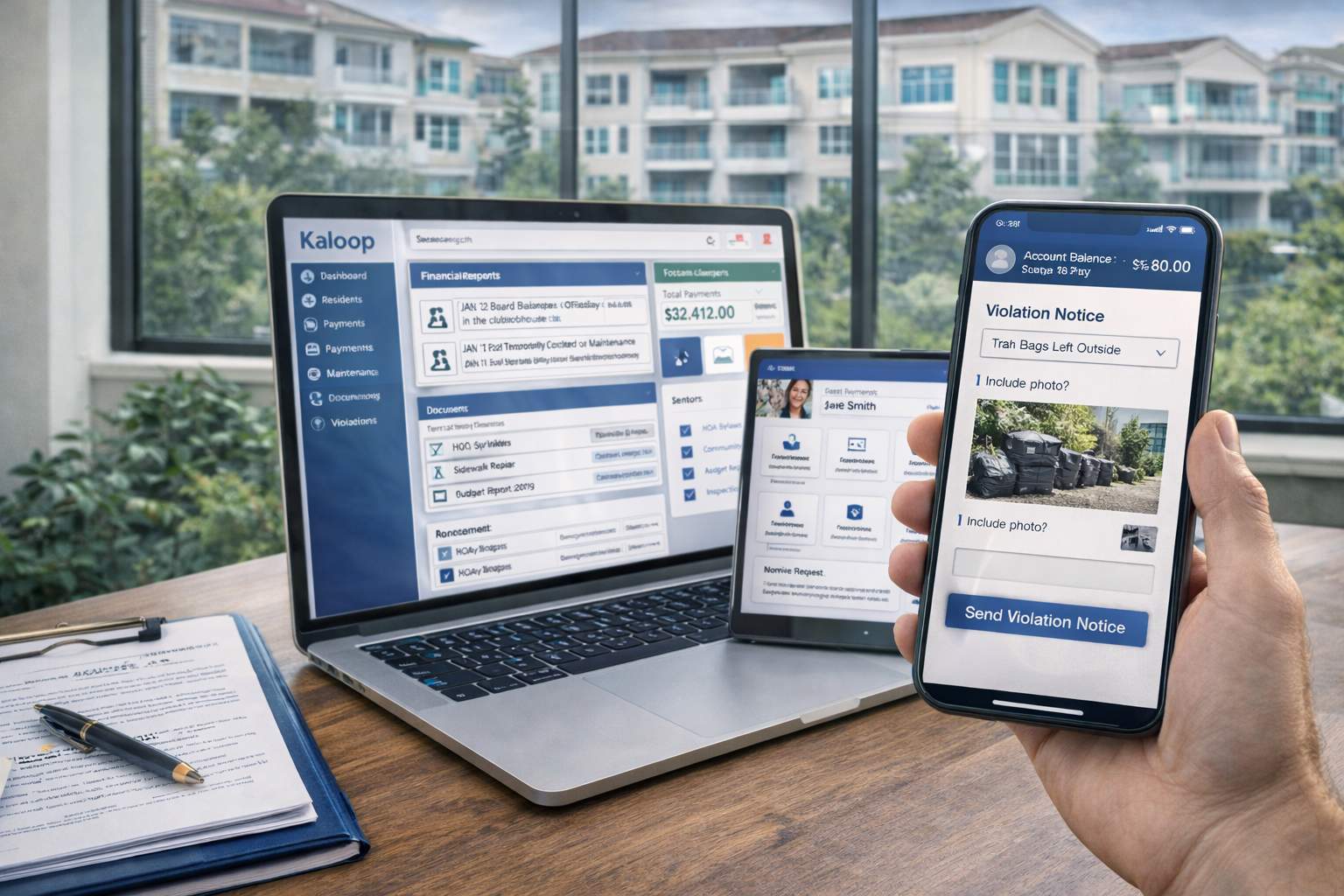
Explore advanced HOA and COA property management software features including resident portals, violation...

Learn more
Diverse friends are toasting green beer, celebrating st
St. Patrick’s Day in Your Florida HOA or COA: Celebrating Safely
Planning St. Patrick’s Day celebrations in a Florida HOA or COA? Learn how to stay compliant with community...

Learn more
Noise complaint Annoyed woman blocking ears with pillows on a couch
Noise Compliance in Florida COAs and HOAs: What Residents Should Know
Learn how noise compliance works in Florida HOAs and COAs, including quiet hours, local ordinances, and...
Learn more

St. Patrick’s Day in Your Florida HOA or COA: Celebrating Safely

St. Patrick’s Day in Your Florida HOA or COA: Celebrating Safely

Written by Heidi Hensell

March 10, 2026

Table of Contents

Share

Link copied to clipboard!

March 17 is just around the corner, and many Florida communities look forward to celebrating St. Patrick’s Day with friends, food, and festive gatherings. For condominium associations (COAs) and homeowners associations (HOAs), celebrating safely means balancing fun with compliance—especially when events involve common areas, noise, or alcohol.

Many associations have specific rules governing the use of common areas such as clubhouses, pools, patios, and green spaces. These rules may address reservation requirements, guest limits, cleanup responsibilities, noise levels, and alcohol consumption. Before hosting a St. Patrick’s Day gathering, residents should review their governing documents to ensure their plans align with community policies.

Florida law also plays a role. Open container laws generally prohibit alcohol consumption in public areas unless the location is properly licensed. Any sale or service of alcohol must comply with state regulations, and associations should avoid activities that could unintentionally create liability exposure. Even well-meaning celebrations can lead to issues if alcohol laws or community rules are overlooked.

Boards can support a safe and enjoyable holiday by reminding residents of applicable rules, encouraging responsible behavior, and reinforcing quiet hours. Clear communication ahead of the holiday helps prevent misunderstandings, complaints, and potential violations.

Residents who wish to host larger gatherings may consider private, well-managed events within their homes or using licensed venues outside the community. These options allow everyone to enjoy the holiday spirit without creating disruptions or risking fines.

By staying informed about association rules and Florida alcohol laws, HOAs and COAs can enjoy St. Patrick’s Day celebrations that are festive, respectful, and safe—keeping the spirit of green alive for the whole community.

Popular in the Community

ChatGPT Image Mar 10, 2026, 10_52_10 AM
Florida HB 657: What It Means for Community Association Residents
Explore advanced HOA and COA property management software features including resident portals, violation...
Learn more
Diverse friends are toasting green beer, celebrating st
St. Patrick’s Day in Your Florida HOA or COA: Celebrating Safely
Planning St. Patrick’s Day celebrations in a Florida HOA or COA? Learn how to stay compliant with community...
Learn more
Noise complaint Annoyed woman blocking ears with pillows on a couch
Noise Compliance in Florida COAs and HOAs: What Residents Should Know
Learn how noise compliance works in Florida HOAs and COAs, including quiet hours, local ordinances, and...
Learn more

Noise Compliance in Florida COAs and HOAs: What Residents Should Know

Noise Compliance in Florida COAs and HOAs: What Residents Should Know

Written by Heidi Hensell

March 3, 2026

Table of Contents

Share

Link copied to clipboard!

In Florida’s community associations, noise rules are more than a matter of courtesy. They are tied directly to local code enforcement laws and each association’s governing documents. Cities and counties across Florida establish quiet-hour standards and decibel limits, and condominium associations (COAs) and homeowners associations (HOAs) may adopt additional rules to protect quality of life in shared living environments.

Common noise concerns in Florida communities include loud music, short-term rental activity, balcony or patio gatherings, barking pets, and construction or renovation work outside approved hours. Associations typically expect residents to comply with both local noise ordinances and community-specific rules. When violations occur, boards may issue written warnings, levy fines, or refer unresolved issues to local code enforcement.

Residents who are unsure which standards apply should review:

  • Their association’s declaration, bylaws, and rules and regulations
  • Posted quiet hours and nuisance provisions
  • Applicable city or county noise ordinances

When disturbances are ongoing, residents are encouraged to document incidents carefully, submit complaints in writing to management or the board, and avoid direct confrontation with neighbors. Maintaining a clear record helps associations address issues consistently and fairly.

Boards, meanwhile, play an important role in enforcement. Applying noise rules uniformly, keeping written records of complaints and responses, and coordinating with local authorities when necessary helps protect the association from claims of selective enforcement. Clear communication of expectations also reduces repeat violations.

At its core, noise compliance is about preserving peaceful enjoyment in close-living environments. When residents understand the rules and associations enforce them consistently, community life sounds a whole lot better for everyone.

Popular in the Community

ChatGPT Image Mar 10, 2026, 10_52_10 AM
Florida HB 657: What It Means for Community Association Residents
Explore advanced HOA and COA property management software features including resident portals, violation...
Learn more
Diverse friends are toasting green beer, celebrating st
St. Patrick’s Day in Your Florida HOA or COA: Celebrating Safely
Planning St. Patrick’s Day celebrations in a Florida HOA or COA? Learn how to stay compliant with community...
Learn more
Noise complaint Annoyed woman blocking ears with pillows on a couch
Noise Compliance in Florida COAs and HOAs: What Residents Should Know
Learn how noise compliance works in Florida HOAs and COAs, including quiet hours, local ordinances, and...
Learn more

BBQ Pits and “Public” Bathrooms in COAs: Balancing Fun and Responsibility

BBQ Pits and “Public” Bathrooms in COAs: Balancing Fun and Responsibility

Written by Heidi Hensell

February 26, 2026

Table of Contents

Share

Link copied to clipboard!

BBQ pits and shared bathrooms in condominium association (COA) common areas can significantly enhance community life. These amenities encourage social interaction, convenience, and outdoor enjoyment—but they also come with rules and responsibilities that boards and residents must understand and respect.

BBQ Pits: Fun with Safety in Mind

BBQ pits are popular gathering spots for residents and guests, making safety the top priority. COA boards typically regulate where grills may be located, what types are permitted (such as gas versus charcoal), and who is responsible for cleanup and routine maintenance. Clear guidelines help reduce the risk of fire hazards, property damage, and neighbor disputes.

Some associations require grills to be supervised at all times, prohibit use during certain weather conditions, or ask residents to sign usage agreements. These measures are not meant to limit enjoyment, but to ensure that shared spaces remain safe and accessible for everyone.

Public Bathrooms: Convenience Requires Care

Public bathrooms located near pools, parks, or clubhouses offer valuable convenience, especially during community events. However, maintaining these facilities requires consistent attention. Cleanliness, accessibility, and compliance with health and safety codes are essential responsibilities for the association.

Most COAs schedule regular cleaning, inspections, and maintenance, while also posting guidelines to encourage respectful use. Proper upkeep not only protects resident health but also preserves the condition of shared facilities and reduces long-term repair costs.

Shared Amenities, Shared Responsibility

When managed properly, BBQ pits and public bathrooms can greatly enhance community enjoyment. Clear policies, consistent maintenance, and resident cooperation allow these amenities to remain clean, safe, and welcoming. Balancing fun with responsibility ensures that everyone can enjoy common areas while protecting the community’s investment.

Popular in the Community

ChatGPT Image Mar 10, 2026, 10_52_10 AM
Florida HB 657: What It Means for Community Association Residents
Explore advanced HOA and COA property management software features including resident portals, violation...
Learn more
Diverse friends are toasting green beer, celebrating st
St. Patrick’s Day in Your Florida HOA or COA: Celebrating Safely
Planning St. Patrick’s Day celebrations in a Florida HOA or COA? Learn how to stay compliant with community...
Learn more
Noise complaint Annoyed woman blocking ears with pillows on a couch
Noise Compliance in Florida COAs and HOAs: What Residents Should Know
Learn how noise compliance works in Florida HOAs and COAs, including quiet hours, local ordinances, and...
Learn more

Before You Buy in Florida — Why You Should Read the Governing Documents First

Before You Buy in Florida — Why You Should Read the Governing Documents First

Written by Heidi Hensell

February 24, 2026

Table of Contents

Share

Link copied to clipboard!

In Florida, many homes are part of a homeowners association (HOA) or condominium association (COA). Along with palm trees, pools, and shared amenities comes something far less scenic—but just as important: the governing documents. Before you buy, reviewing these documents may be one of the smartest and most protective steps you can take.

Governing documents typically include the declaration, bylaws, rules and regulations, and any architectural or leasing guidelines. Together, they explain how the community functions, what you own individually, what the association maintains, and what rules shape everyday life. These documents are not just formalities—they define expectations, responsibilities, and limitations that directly affect your lifestyle and finances.

Start with the declaration, often considered the foundation of the community. It outlines ownership boundaries, maintenance obligations, common areas, and use restrictions. Some Florida communities are highly regulated to preserve a uniform appearance or quiet atmosphere, while others allow more personal flexibility. Understanding which environment you are entering can prevent frustration after closing.

Finances deserve close attention as well. Governing documents explain regular assessments, special assessments, reserve funding, and potential fees such as capital contributions or transfer charges at purchase. Reviewing recent budgets, financial statements, or reserve studies can provide insight into whether large repairs—such as roof replacements or storm-related projects—may lead to future cost increases.

Leasing rules are another critical area, especially in Florida communities. Many associations limit rentals, impose waiting periods before leasing, or restrict the number and duration of leases. If you plan to rent seasonally or convert the home into an investment property, these rules can significantly affect your plans.

Finally, architectural and modification guidelines clarify what changes require approval, including exterior paint colors, fencing, landscaping, or hurricane shutters. While reading governing documents may not be glamorous, it turns a purchase into an informed decision. You’re not just buying a home—you’re joining a shared community with established rules, responsibilities, and expectations already in motion. Understanding them upfront helps ensure the Florida lifestyle you’re buying truly aligns with the one you want.

Popular in the Community

ChatGPT Image Mar 10, 2026, 10_52_10 AM
Florida HB 657: What It Means for Community Association Residents
Explore advanced HOA and COA property management software features including resident portals, violation...
Learn more
Diverse friends are toasting green beer, celebrating st
St. Patrick’s Day in Your Florida HOA or COA: Celebrating Safely
Planning St. Patrick’s Day celebrations in a Florida HOA or COA? Learn how to stay compliant with community...
Learn more
Noise complaint Annoyed woman blocking ears with pillows on a couch
Noise Compliance in Florida COAs and HOAs: What Residents Should Know
Learn how noise compliance works in Florida HOAs and COAs, including quiet hours, local ordinances, and...
Learn more

Condo Insurance vs. Homeowners Insurance in Florida Communities: What COA and HOA Residents Should Know
Condo Insurance vs. Homeowners Insurance in Florida Communities: What COA and HOA Residents Should Know

Written by Heidi Hensell

February 19, 2026

Table of Contents

Share

Link copied to clipboard!

Living in Florida comes with its own rhythm. Sunshine stretches across balconies, palm trees gossip with the breeze, and every so often, the weather reminds residents why insurance matters. For those living in condominium associations (COAs) and homeowners associations (HOAs), understanding the difference between condo insurance and homeowners insurance is more than paperwork—it is financial protection woven into community life.

In a condominium association, the building itself is a shared responsibility. The association typically carries a master insurance policy covering the structure, roof, exterior walls, and common areas. Florida law requires COAs to maintain specific property and hazard coverage, which means an individual condo policy—commonly known as an HO-6 policy—focuses primarily on the interior of the unit and personal belongings.

Interior coverage usually includes flooring, cabinetry, built-ins, fixtures, and contents. However, coverage boundaries are not identical across associations. Some COAs follow a “bare walls” approach, where everything from the drywall inward belongs to the owner. Others provide more extensive “all-in” coverage that includes certain interior finishes. Reviewing both the association’s declaration and master policy is essential, especially in Florida, where hurricane deductibles and claim responsibilities can create gray areas.

Loss assessment coverage is particularly important for condo owners. If a major storm or incident damages common elements and the association’s insurance falls short, owners may be assessed their share of the difference. Many HO-6 policies offer optional loss assessment coverage, helping turn what could be a financial tidal wave into a manageable ripple.

Homeowners living within HOAs operate in a different insurance framework. While the association may insure shared amenities such as clubhouses, entry features, pools, or landscaping, the home itself is fully the owner’s responsibility. A standard homeowners policy (HO-3) covers the dwelling, interior, detached structures, personal property, liability, and additional living expenses if the home becomes uninhabitable.

Florida homeowners often face added considerations, including windstorm deductibles, roof coverage limitations, and carrier availability. Flood insurance is also worth careful consideration, as standard policies typically exclude flood damage—even outside designated flood zones.

For both COA and HOA residents, liability protection is just as critical as property coverage. The association’s policy protects common areas, while personal policies protect individual households. Together, they form a shared safety net. A brief conversation with both your insurance agent and your association can help close coverage gaps before the next storm or surprise repair arrives.

Popular in the Community

ChatGPT Image Mar 10, 2026, 10_52_10 AM
Florida HB 657: What It Means for Community Association Residents
Explore advanced HOA and COA property management software features including resident portals, violation...
Learn more
Diverse friends are toasting green beer, celebrating st
St. Patrick’s Day in Your Florida HOA or COA: Celebrating Safely
Planning St. Patrick’s Day celebrations in a Florida HOA or COA? Learn how to stay compliant with community...
Learn more
Noise complaint Annoyed woman blocking ears with pillows on a couch
Noise Compliance in Florida COAs and HOAs: What Residents Should Know
Learn how noise compliance works in Florida HOAs and COAs, including quiet hours, local ordinances, and...
Learn more

The Fundamentals of Architectural Painting for HOAs & COAs: Protecting Buildings, Budgets, and Community Appeal
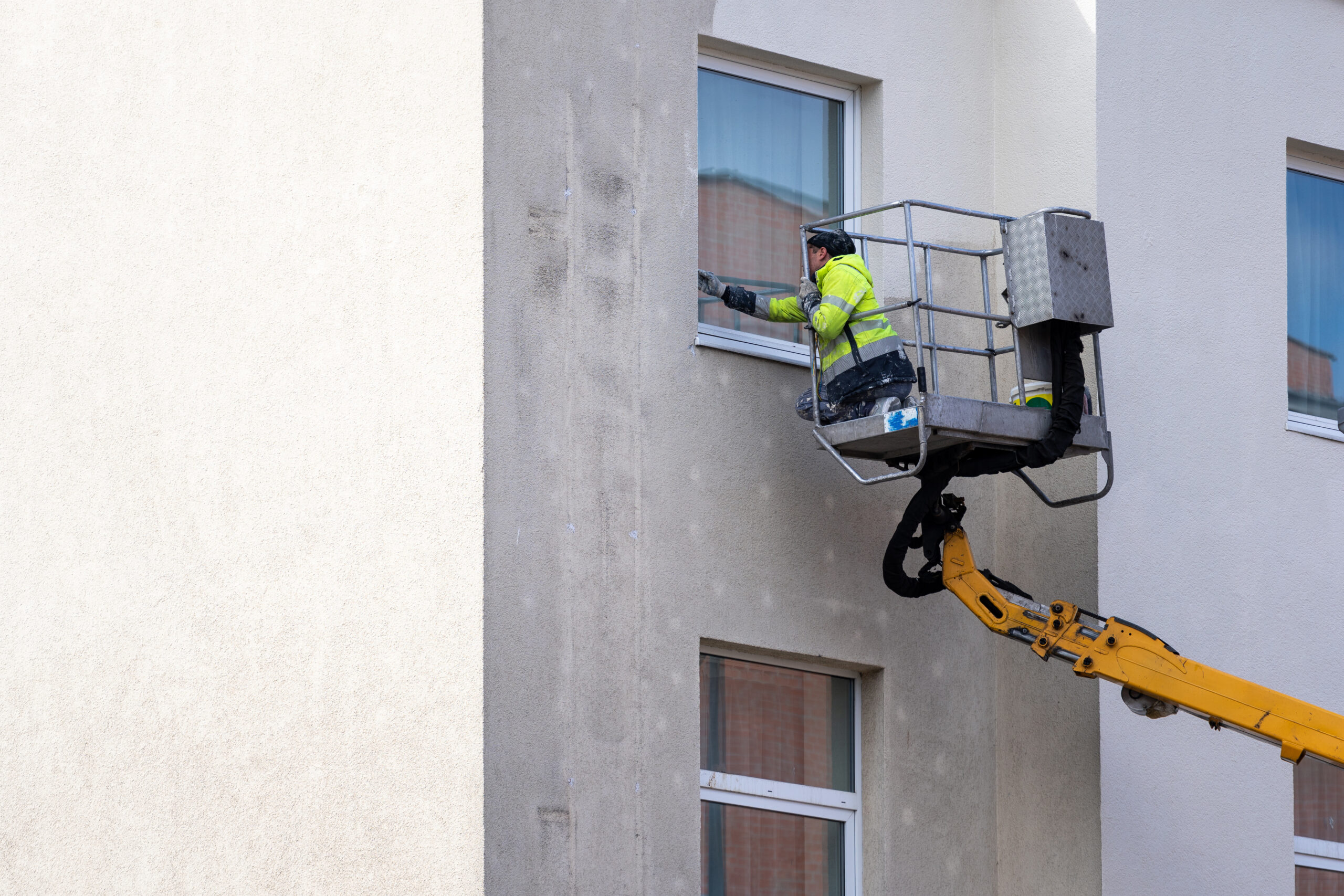
The Fundamentals of Architectural Painting for HOAs & COAs: Protecting Buildings, Budgets, and Community Appeal

Written by Heidi Hensell

February 17, 2026

Table of Contents

Share

Link copied to clipboard!

In a homeowners’ or condominium association, architectural painting is much more than a cosmetic refresh. It is a protective system, a budget strategy, and a visible statement of a community’s pride in its homes and shared spaces. When executed correctly, architectural painting safeguards buildings from environmental exposure, extends useful life cycles, and supports both property value and resident satisfaction.

Think of it as a quiet maintenance hero—wrapping buildings in a protective shell that keeps moisture, UV exposure, and environmental wear at bay. Without that protection, surfaces deteriorate faster, repairs become more frequent, and reserve planning becomes unpredictable.

Preparation Comes First — And It Protects the Reserve Fund

The most important phase of any community painting project happens before the first coat is applied. Proper preparation is what allows coatings to perform as designed and reach their expected service life.

Preparation typically includes:

  • Pressure washing and surface cleaning
  • Treating mildew, algae, and chalking
  • Repairing cracks and substrate fractures
  • Scraping failing coatings and sanding edges
  • Priming exposed or porous areas

For HOAs and COAs, preparation is a financial safeguard. Cutting corners during prep often leads to premature coating failure, stucco and substrate deterioration, and shortened repaint cycles. Good preparation protects buildings—and just as importantly, it protects the reserve schedule.

Substrates Matter Across Community Buildings

Most communities contain multiple surface types across:

  • Condo towers and mid-rises
  • Townhome façades
  • Clubhouses and amenities
  • Metal railings, doors, and balconies
  • Wood trim, pergolas, and architectural accents


Each material behaves differently under heat, humidity, coastal exposure, and daily movement. Using the wrong coating system can result in blistering, cracking, or peeling—turning a repaint into a repair project.

Professional architectural painting evaluates substrate condition, expansion behavior, moisture exposure, and environmental stressors before selecting materials and application methods.

Coating Selection Is a Maintenance Strategy

For associations, coatings directly influence:

  • Longevity of the building envelope
  • Timing of reserve expenditures
  • Moisture and crack protection
  • Fade resistance and visual consistency

The right coating system extends lifecycle intervals, allowing communities to keep repaint cycles predictable and budget-friendly. Architectural painting is not simply a beautification project—it is responsible community stewardship, wrapped in color.

Popular in the Community

ChatGPT Image Mar 10, 2026, 10_52_10 AM
Florida HB 657: What It Means for Community Association Residents
Explore advanced HOA and COA property management software features including resident portals, violation...
Learn more
Diverse friends are toasting green beer, celebrating st
St. Patrick’s Day in Your Florida HOA or COA: Celebrating Safely
Planning St. Patrick’s Day celebrations in a Florida HOA or COA? Learn how to stay compliant with community...
Learn more
Noise complaint Annoyed woman blocking ears with pillows on a couch
Noise Compliance in Florida COAs and HOAs: What Residents Should Know
Learn how noise compliance works in Florida HOAs and COAs, including quiet hours, local ordinances, and...
Learn more

The 2026 Florida Legislative Session: What’s Coming for COAs and HOAs
The 2026 Florida Legislative Session: What’s Coming for COAs and HOAs

Written by Heidi Hensell

February 12, 2026

Table of Contents

Share

Link copied to clipboard!

Florida’s 2026 Legislative Session is expected to introduce updates that could significantly affect condominium associations (COAs) and homeowners associations (HOAs) statewide. For board members, community managers, and residents, staying informed early is essential to maintaining compliance and ensuring well-run communities.

As lawmakers convene in the Florida Legislature, several key trends are emerging that associations should monitor closely.

Governance and Transparency

In recent years, legislative focus has increasingly centered on transparency and accountability in community associations. During the 2026 session, proposals may include enhanced reporting requirements, stricter record-retention standards, and clearer rules governing meeting notices and board decision-making. Associations may need to review and update internal policies or governing documents to align with new statutory requirements.

Insurance and Financial Management

Insurance affordability and financial stability remain top concerns for Florida communities. Potential legislation may address insurance coverage standards, deductibles, reserve funding practices, and financial disclosures. These measures are intended to protect owners while helping boards plan responsibly amid rising insurance costs and market volatility.

Board Authority and Member Rights

The balance between board authority and member rights continues to receive legislative attention. Proposed changes could clarify enforcement powers, fine procedures, and conflict-of-interest provisions for board members. At the same time, lawmakers may strengthen owner rights related to meetings, voting access, and transparency of association finances.

Hurricane and Disaster Preparedness

Given Florida’s exposure to hurricanes and flooding, resilience remains a legislative priority. The 2026 session may include updates related to emergency planning, structural maintenance requirements, and reserve funding to ensure associations are better prepared to respond to natural disasters and recover efficiently.

Preparing for What’s Ahead

For COAs and HOAs, the 2026 legislative session is not just about compliance—it is an opportunity to proactively review governing documents, update policies, and strengthen operational practices. Associations that stay informed and plan ahead are better positioned to adapt to regulatory changes and protect their communities.

The bottom line is preparation. By understanding potential legislative impacts early, boards and managers can navigate Florida’s evolving regulatory landscape with confidence, safeguard residents, and promote long-term community stability.

Popular in the Community

ChatGPT Image Mar 10, 2026, 10_52_10 AM
Florida HB 657: What It Means for Community Association Residents
Explore advanced HOA and COA property management software features including resident portals, violation...
Learn more
Diverse friends are toasting green beer, celebrating st
St. Patrick’s Day in Your Florida HOA or COA: Celebrating Safely
Planning St. Patrick’s Day celebrations in a Florida HOA or COA? Learn how to stay compliant with community...
Learn more
Noise complaint Annoyed woman blocking ears with pillows on a couch
Noise Compliance in Florida COAs and HOAs: What Residents Should Know
Learn how noise compliance works in Florida HOAs and COAs, including quiet hours, local ordinances, and...
Learn more

Mark Your Calendars: 2026 Florida Condo & HOA Expos Are Here!
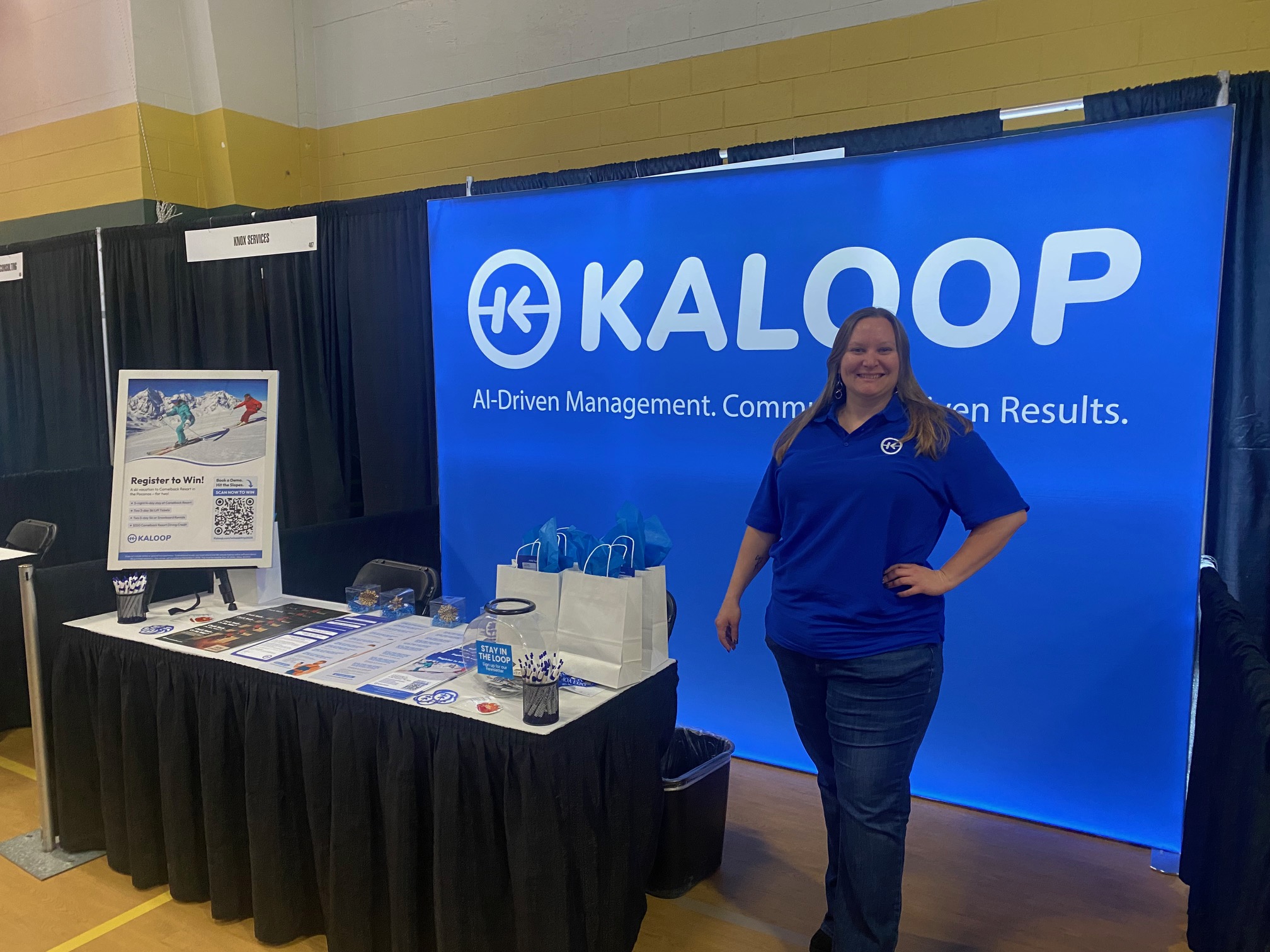
Mark Your Calendars: 2026 Florida Condo & HOA Expos Are Here!

Written by Heidi Hensell

February 10, 2026

Table of Contents

Share

Link copied to clipboard!

Florida community leaders, 2026 is shaping up to be an exciting and valuable year for condominium associations (COAs) and homeowners associations (HOAs). Across the state, the Condo & HOA Expos provide board members, managers, and association professionals with opportunities to learn, network, and discover practical solutions for stronger, better-run communities.

These expos bring together industry experts, educators, and trusted service providers under one roof. Whether you are seeking educational sessions, CEU courses, or new vendor relationships, each event is designed to support effective governance, sound financial planning, and long-term community success.

2026 Spring Expo Schedule

February 2026

  • Broward – February 3
    Kick off the year with sessions focused on governance, insurance, reserves, and community operations, plus networking with industry professionals.

  • Palm Beach – February 10
    Earn CEUs, meet vendors, and explore tools for effective management and long-term planning.

  • Tampa – February 12
    Learn from Florida-focused experts on financial planning, board responsibilities, legal compliance, and operational best practices.

April 2026

  • Tampa – April 10
    A deeper dive into governance, maintenance planning, resident engagement, and insurance strategies.

  • Broward – April 16
    Discover new solutions, connect with service providers, and gain actionable insights for your association.

  • Naples – April 17
    Explore sessions on risk management, legal updates, reserve planning, and best practices.

  • Palm Beach – April 21
    Attend CEU courses, connect with vendors, and gain practical strategies to improve governance and operations.

  • Orlando – April 28
    Close out the spring expos with education, CEUs, and networking opportunities designed to enhance HOA and COA operations.

Why Attend?

These expos are not just about gathering information—they are about actionable solutions. Attendees walk away with strategies to manage budgets, maintain properties, ensure compliance, and improve resident satisfaction. From first-time board members to experienced managers, the 2026 Condo & HOA Expos offer valuable tools and connections that benefit communities long after the event ends.

Popular in the Community

ChatGPT Image Mar 10, 2026, 10_52_10 AM
Florida HB 657: What It Means for Community Association Residents
Explore advanced HOA and COA property management software features including resident portals, violation...
Learn more
Diverse friends are toasting green beer, celebrating st
St. Patrick’s Day in Your Florida HOA or COA: Celebrating Safely
Planning St. Patrick’s Day celebrations in a Florida HOA or COA? Learn how to stay compliant with community...
Learn more
Noise complaint Annoyed woman blocking ears with pillows on a couch
Noise Compliance in Florida COAs and HOAs: What Residents Should Know
Learn how noise compliance works in Florida HOAs and COAs, including quiet hours, local ordinances, and...
Learn more

HOA Volunteers: Building Stronger, Connected, and Thriving Communities

HOA Volunteers: Building Stronger, Connected, and Thriving Communities

Written by Heidi Hensell

February 6, 2026

Table of Contents

Share

Link copied to clipboard!

In every successful homeowners’ association (HOA), community volunteers are the heartbeat that keeps neighborhoods thriving. Their dedication strengthens connections among neighbors, supports boards and managers, and creates a more engaged, welcoming environment.

From organizing social events and holiday celebrations to serving on committees and assisting with community projects, volunteers provide a personal touch that professional management alone cannot replicate.

Why Volunteers Matter in HOA Communities

1. Reduce Operational Costs
Volunteers assist with tasks that might otherwise require paid services, from event planning to beautification projects. Their efforts save associations money while enhancing services.

2. Encourage Resident Involvement
As ambassadors, volunteers help engage their neighbors, promoting trust, transparency, and collaboration. Higher participation translates to stronger community pride.

3. Improve Communication
Volunteers often act as liaisons between residents and the board, sharing feedback and helping ensure community needs are understood and addressed.

4. Enhance Quality of Life
Whether planning social gatherings or maintaining common spaces, volunteers directly contribute to a more enjoyable and connected living environment.

Best Practices for HOA Volunteer Programs

  1. Clear Communication and Defined Roles
    Residents are more likely to step up when they understand how they can help. Offering specific opportunities—such as joining a welcome committee, supporting landscaping projects, or leading a holiday event—makes participation simple and approachable.
  2. Provide Training and Resources
    Equipping volunteers with tools and guidance ensures they feel confident and effective in their roles, leading to more consistent results.
  3. Recognize Contributions
    Recognition fuels motivation. Thank-you notes, shout-outs in newsletters, or small appreciation events help volunteers feel valued and encourage others to join.
  4. Foster a Culture of Service
    Highlighting the impact of volunteerism inspires more residents to get involved, creating a cycle of engagement that benefits the entire community.

Volunteers: The Heartbeat of HOAs

Community volunteers are more than helpers—they’re the foundation of thriving HOAs. By giving their time, energy, and creativity, they drive engagement, reduce costs, and foster pride in the neighborhood. For boards and managers, cultivating a strong volunteer program is one of the most effective ways to build a resilient, connected, and truly successful community.

Popular in the Community

ChatGPT Image Mar 10, 2026, 10_52_10 AM
Florida HB 657: What It Means for Community Association Residents
Explore advanced HOA and COA property management software features including resident portals, violation...
Learn more
Diverse friends are toasting green beer, celebrating st
St. Patrick’s Day in Your Florida HOA or COA: Celebrating Safely
Planning St. Patrick’s Day celebrations in a Florida HOA or COA? Learn how to stay compliant with community...
Learn more
Noise complaint Annoyed woman blocking ears with pillows on a couch
Noise Compliance in Florida COAs and HOAs: What Residents Should Know
Learn how noise compliance works in Florida HOAs and COAs, including quiet hours, local ordinances, and...
Learn more
Next Page »