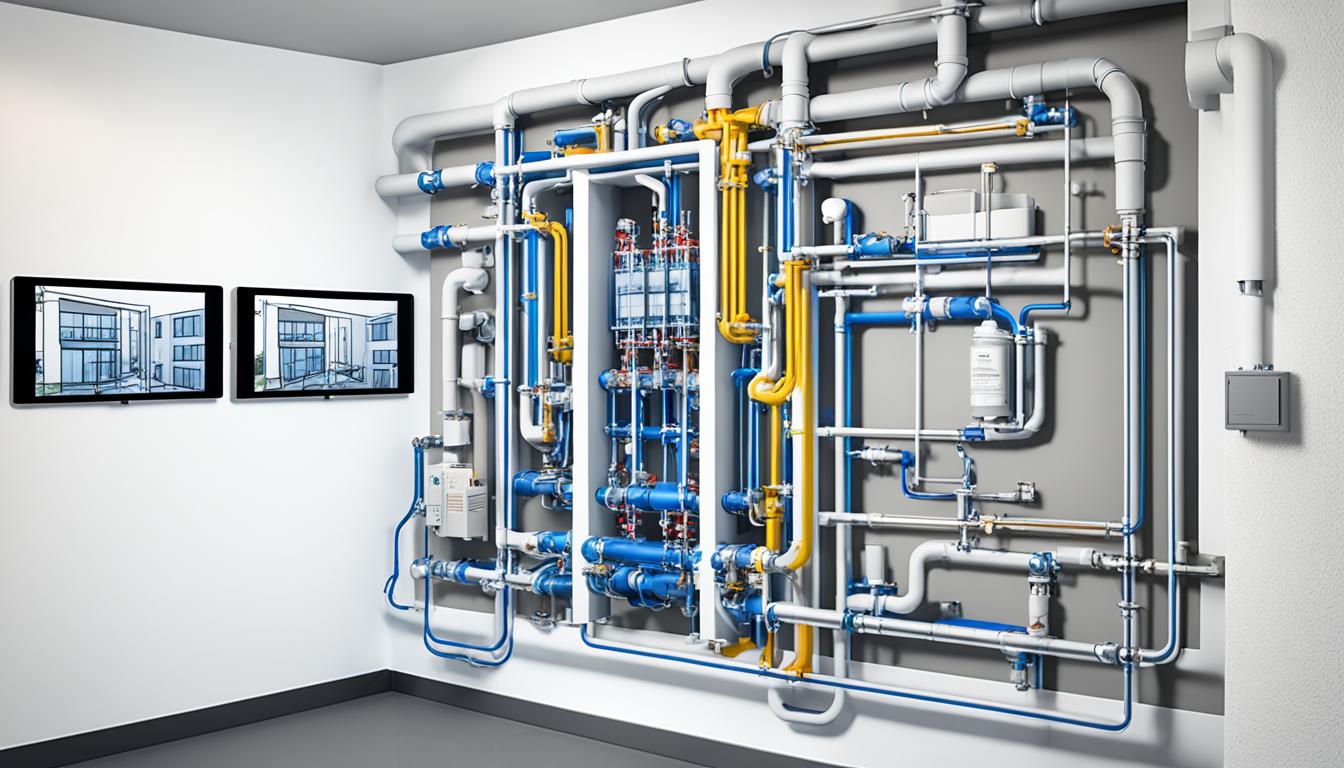
Why Proper Pipe Placement Matters in Community Associations

Written by Heidi Hensell

December 10, 2025

Table of Contents

Share

Link copied to clipboard!

Maintaining shared infrastructure in condos, townhomes, or other community associations often brings focus to visible features—but one foundational aspect that’s frequently overlooked is pipe placement. How plumbing is routed and installed can affect everything from repair costs and unit owner responsibilities to community harmony and insurance risks.

Shared Responsibilities & Hidden Risks

In many community associations, plumbing systems run through multiple units or common areas. This raises critical questions:

  • Who is responsible when a pipe leaks or bursts—unit owner or association?

  • What if the pipe is hidden: behind walls, under floors, or inside concrete?

Poor pipe placement, especially in older constructions, often leads to invasive, costly repairs. Shared or common walls complicate responsibility. When pipes are concealed, detecting damage can be slow, letting problems escalate.

Key Considerations for Managers & Boards

1. Accessibility for Maintenance

Pipes should be installed so they’re accessible. Hidden plumbing behind finished surfaces or buried under concrete slabs increases labor and material costs significantly if repairs are needed. Easy access means quicker fixes, less disruption, and lower long‑term costs.

2. Clear Ownership Boundaries

Your association’s governing documents—declarations, bylaws, policies—must clearly define which pipes each party is responsible for:

  • Unit owner: typically interior plumbing within the unit.

  • Association: pipes in common areas or serving multiple units.

Make sure these rules are explicit and consistent; ambiguity can lead to disputes and unexpected repair bills.

3. Upgrades & Retrofitting Opportunities

Communities built decades ago may have pipe layouts that now cause frequent problems or inefficiencies. Retrofits—re‑routing lines, replacing outdated materials, and relocating pipes where accessible—can enhance durability and reduce risk. Though there’s upfront cost, long‑term savings in maintenance and damage mitigation often make these projects worthwhile.

4. Communication & Inspections

  • Regular inspections: Proactively check for leaks, corrosion, or pressure issues before they become emergencies.

  • Educate homeowners: Clearly communicate what’s inside vs outside their responsibility. Transparency avoids surprises and builds trust when repairs or retrofits become necessary.

Final Thought

Pipe placement isn’t just a technical detail—it’s vital risk management. Well‑planned, easy‑access plumbing protects property values, reduces liability, and keeps community operations running smoothly. Community managers and boards that prioritize thoughtful pipe layout now can avoid big headaches—and big costs—later.

Popular in the Community

ChatGPT Image Sep 18, 2025, 05_08_14 PM
Pressure Washing and Community Associations: Boosting Curb Appeal and Property Value
Discover how routine pressure washing benefits community associations. Learn how this simple service...
Learn more
ChatGPT Image Sep 18, 2025, 04_58_09 PM
Home Health Care and Community Associations: Supporting Residents with Empathy and Awareness
Discover why community association managers should understand the rise of home health care. Learn how...
Learn more
ChatGPT Image Sep 18, 2025, 04_41_06 PM
Designing Spaces, Building Communities: The Role of Interior Design in Community Association Management
Discover how interior design impacts community association management. Learn how thoughtful design in...
Learn more