Solar Panels: Yes or No for Homeowners and Communities?

Solar Panels: Yes or No for Homeowners and Communities?
Written by Heidi Hensell

January 2, 2026

Table of Contents

Share

Link copied to clipboard!

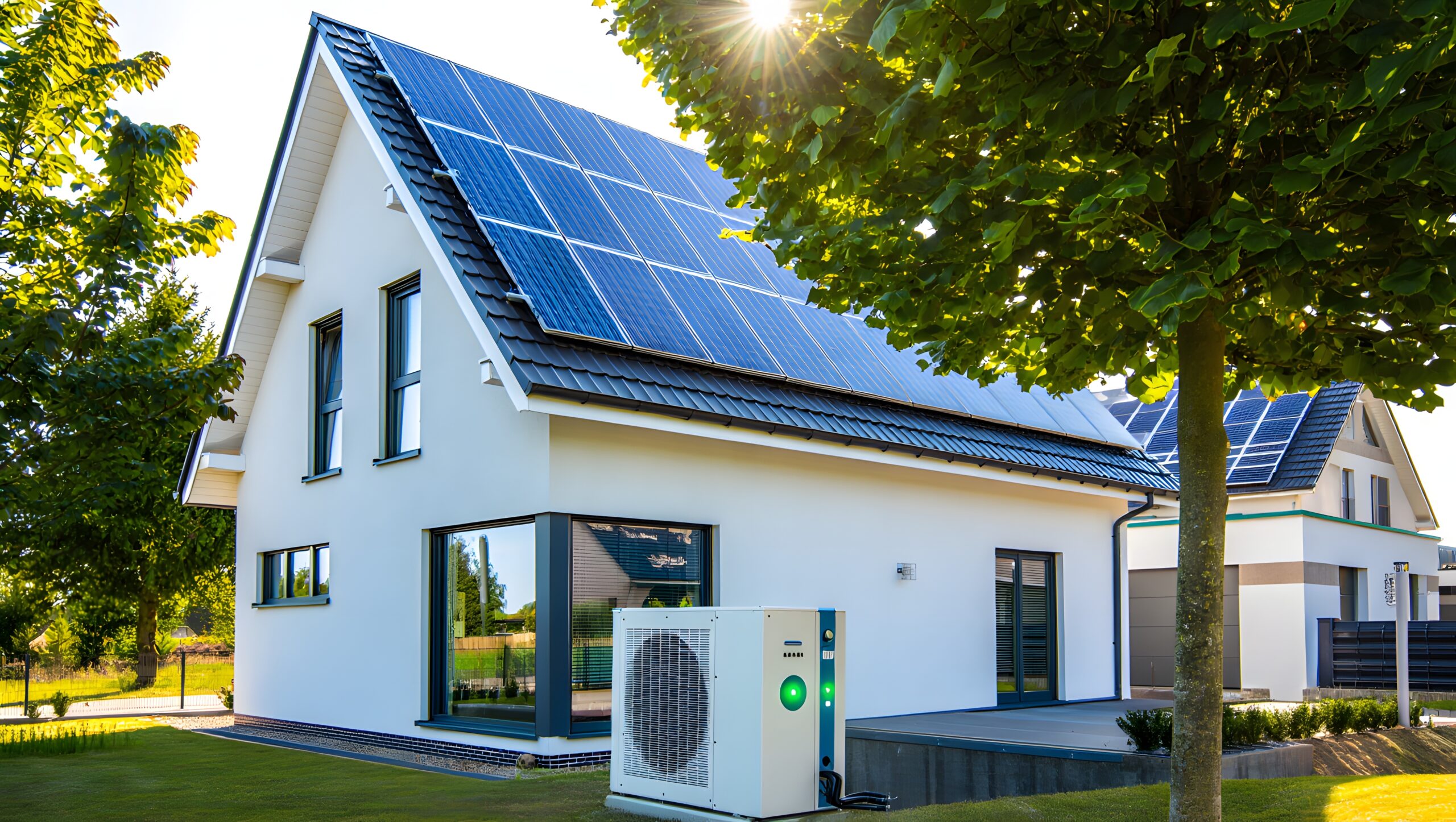
As energy costs climb and sustainability rises in importance, many homeowners and community associations are pondering a key question: Is solar right for us? While solar technology has become more efficient and affordable, it isn’t always the perfect fit. Here’s what to weigh before deciding—both for individuals and community settings like HOAs and COAs.

1. Why Go Solar?

  • Lower Energy Bills: Solar panels generate electricity to offset grid usage—cutting monthly utility costs. For communities that power shared amenities like clubhouses or pools, collective solar installations can offer substantial savings. 

  • Environmental Impact: Generating clean, renewable energy helps reduce your carbon footprint and reliance on fossil fuels. 

  • Higher Property Value: Homes equipped with solar panels often sell faster and at a premium, as eco-conscious buyers increasingly value energy-efficient features. 

  • Incentives Available: Federal tax credits (still available through 2025) and local rebates can significantly offset the initial cost.

2. What to Consider Before Installing

  • High Upfront Costs: Solar systems require a substantial initial investment—installation, permits, and potential roof work can add up. 
  • Maintenance Over Time: While generally durable, solar panels may require occasional cleaning or parts replacement, affecting long-term upkeep.
  • HOA/COA Restrictions: Many associations allow solar with limits—like design controls, panel placement, and color guidelines. Some states now protect solar rights, but HOAs can still impose reasonable rules.
  • Climate & Roof Factors: Not all locations or orientations are ideal. Shade, roof angle, and solar exposure play a big role in efficiency and payoff.

3. Community-Friendly Considerations

  • Shared Solar Options: For residents unable to install panels—renters or shaded homes—community solar can offer access to clean energy without individual installations.

  • Financial Payback in Some Areas: Particularly in regions like Florida, research suggests well-planned solar + battery setups can break even within a few years, especially for energy-intensive homes. 

  • Grid & Technical Factors: Rooftop PV systems can strain local grids due to two-way electricity flows. Proper planning and storage can mitigate these challenges.

Conclusion

So, is solar right for you or your community? If you can manage the upfront investment—and your property gets good sunlight, and HOA rules are accommodating—it can offer cost savings, environmental gains, and a value boost. But if budget constraints, restrictive rules, or technical limitations are major roadblocks, solar may not make sense just yet.

Popular in the Community

Diverse friends are toasting green beer, celebrating st
St. Patrick’s Day in Your Florida HOA or COA: Celebrating Safely
Planning St. Patrick’s Day celebrations in a Florida HOA or COA? Learn how to stay compliant with community...

Learn more
Noise complaint Annoyed woman blocking ears with pillows on a couch
Noise Compliance in Florida COAs and HOAs: What Residents Should Know
Learn how noise compliance works in Florida HOAs and COAs, including quiet hours, local ordinances, and...

Learn more
Friends socializing and enjoying a backyard BBQ, grilling food at a summer cookout
BBQ Pits and “Public” Bathrooms in COAs: Balancing Fun and Responsibility
BBQ pits and public bathrooms can enhance COA living. Learn how rules, maintenance, and shared responsibility...
Learn more

The Importance of Mulch in Community Landscapes
The Importance of Mulch in Community Landscapes

Written by Heidi Hensell

December 30, 2025

Table of Contents

Share

Link copied to clipboard!

Mulch may seem like a small detail in landscaping, but for homeowners’ associations (HOAs), condominium associations (COAs), and community-managed properties, it plays a vital role in maintaining healthy, attractive, and sustainable outdoor environments. From preserving soil moisture to enhancing visual appeal, mulch delivers a host of benefits that support both aesthetics and practicality in shared spaces.

What Is Mulch?

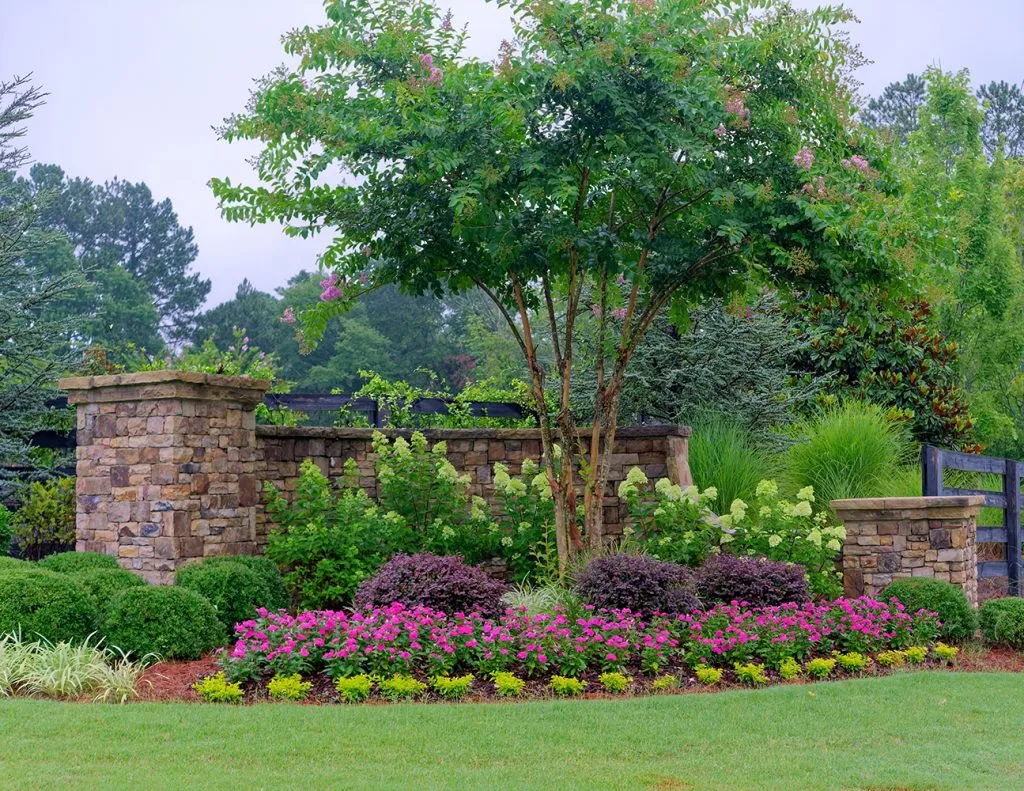
Mulch is a protective layer of material—organic (like wood chips, shredded leaves, compost, or bark) or inorganic (such as rubber, gravel, or landscape fabric)—spread over soil to improve its condition. It conserves moisture, suppresses weeds, regulates soil temperature, and enhances overall soil health.

Benefits of Mulch for Communities

  • Moisture Retention
    Mulch acts as a shield, helping soil retain water and reducing the frequency of irrigation—saving water and maintenance costs.

  • Weed Suppression
    It blocks sunlight from reaching weed seeds, minimizing the need for chemical herbicides or labor-intensive weeding.

  • Soil Health & Enrichment
    Organic mulch decomposes over time, enriching the soil with nutrients and improving its structure—promoting healthier plant growth.

  • Temperature Regulation
    By insulating the soil, mulch protects roots from temperature extremes, helping plants thrive through hot summers and cold winters.

  • Erosion Prevention
    On slopes or near communal walkways, mulch slows water runoff and helps maintain soil integrity.

  • Aesthetic Value
    Mulched beds offer a polished, uniform appearance that complements landscape design and boosts curb appeal.

Considerations for HOAs and COAs

While mulch offers many benefits, community associations should consider its ongoing maintenance needs, potential pest attraction, fire risks, and cost. Choosing the right type—organic for soil health or inorganic for minimal maintenance—depends on landscape goals and local conditions.

Best Practices for Effective Mulching

  • Apply mulch at an appropriate depth (typically 2–3 inches) to ensure effectiveness without suffocating plants.

  • Avoid piling mulch against plant stems or tree trunks to prevent rot or disease.

  • Use edging or natural barriers to keep mulch in place—especially important in wet or windy climates.

  • Reapply mulch annually to maintain its benefits—especially crucial in high-traffic or exposure-prone beds.

Conclusion

Mulch is more than just a decorative layer—it’s a practical, cost-effective solution for enhancing soil health, aesthetics, and maintenance efficiency. By investing in proper mulching practices, HOAs and COAs can foster beautiful, sustainable landscapes that elevate property values and enrich residents’ experiences. Thoughtfully applied mulch delivers lasting benefits for communities, nature, and budgets alike.

Popular in the Community

Diverse friends are toasting green beer, celebrating st
St. Patrick’s Day in Your Florida HOA or COA: Celebrating Safely
Planning St. Patrick’s Day celebrations in a Florida HOA or COA? Learn how to stay compliant with community...
Learn more
Noise complaint Annoyed woman blocking ears with pillows on a couch
Noise Compliance in Florida COAs and HOAs: What Residents Should Know
Learn how noise compliance works in Florida HOAs and COAs, including quiet hours, local ordinances, and...
Learn more
Friends socializing and enjoying a backyard BBQ, grilling food at a summer cookout
BBQ Pits and “Public” Bathrooms in COAs: Balancing Fun and Responsibility
BBQ pits and public bathrooms can enhance COA living. Learn how rules, maintenance, and shared responsibility...
Learn more