Ensuring Safety & Accessibility: Guide to Community Sidewalk Repair

Ensuring Safety & Accessibility: Guide to Community Sidewalk Repair
Written by Heidi Hensell

December 3, 2025

Table of Contents

Share

Link copied to clipboard!

Why Sidewalk Repair Matters in Community Living

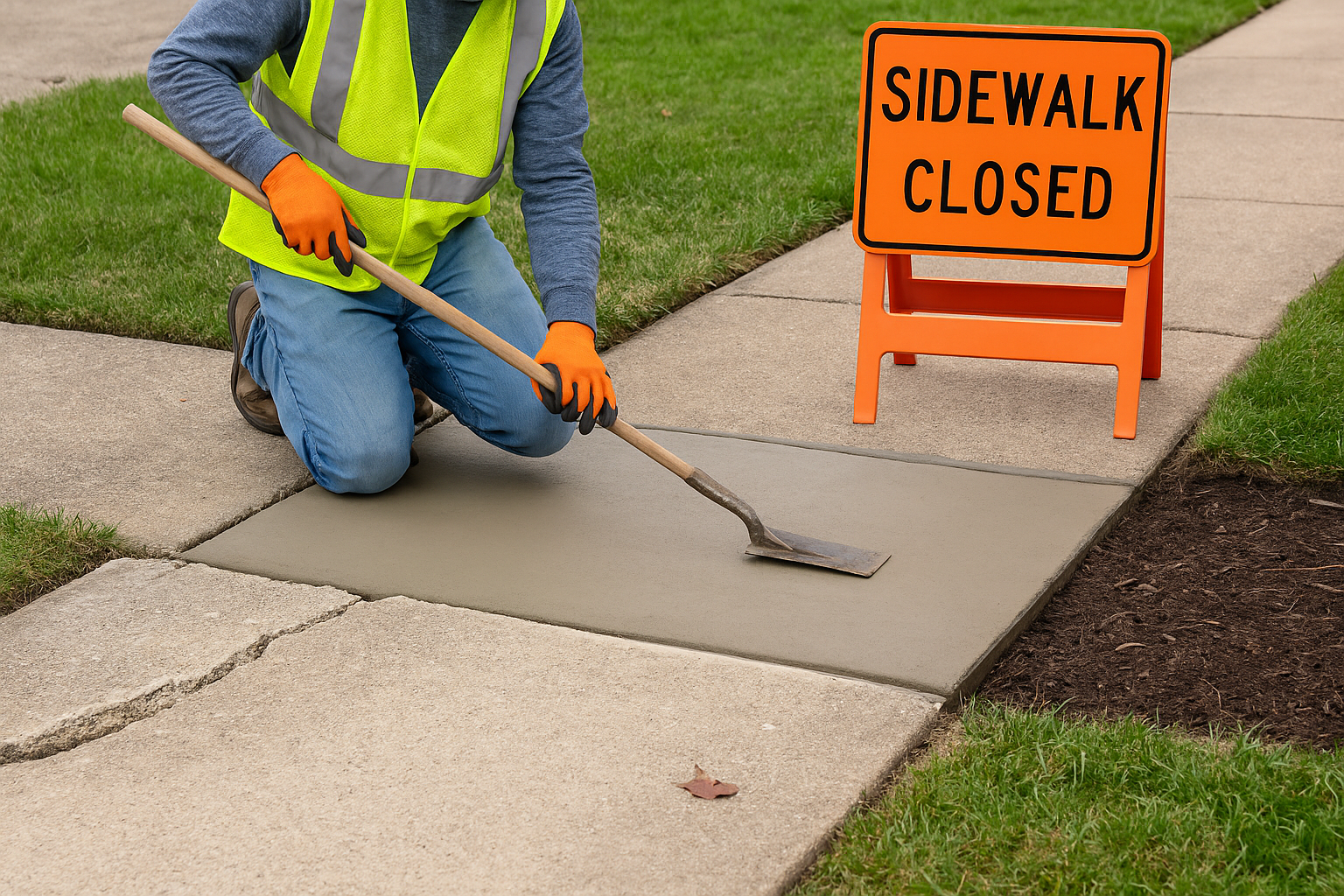
Sidewalks are more than just slabs of concrete—they are lifelines for pedestrian safety, community accessibility, and neighborhood charm. For community association managers, ensuring well-maintained sidewalks isn’t just a best practice—it’s a duty. Cracked, uneven, or damaged walkways don’t just degrade aesthetics; they can cause injuries, create ADA compliance issues, and open the door to liability claims.

Proactive sidewalk maintenance boosts walkability, fosters inclusive access for all residents, and demonstrates a commitment to safety and quality of life.

Top Sidewalk Maintenance Priorities for Community Managers

1. Conduct Routine Sidewalk Inspections

Early detection is your best defense. Regularly walk the property to identify common hazards like:

  • Cracks and breaks in the concrete
  • Uneven slabs due to root intrusion or erosion
  • Water pooling and drainage issues

Set inspection schedules seasonally and after extreme weather conditions.

2. Address Repairs Promptly and Professionally

Minor issues can escalate into major safety hazards—and legal claims—if left unattended. Promptly address:

  • Surface cracks and holes
  • Height differences over ¼ inch
  • Crumbling edges or sunken sections

Partner with professional contractors who understand municipal codes and ADA standards.

3. Ensure ADA Compliance for Inclusive Access

All sidewalks must align with the Americans with Disabilities Act (ADA). This includes:

  • Minimum width of 36 inches
  • Proper slope and grading
  • Smooth, slip-resistant surfaces
  • Detectable warning surfaces at crossings and ramps

Accessibility isn’t optional—it’s the law and a hallmark of inclusive communities.

4. Plan & Budget Proactively for Long-Term Success

Integrate sidewalk repair and replacement into your capital improvement plan (CIP). Forecast costs and prioritize areas of concern such as:

  • High pedestrian traffic zones
  • Areas near schools, parks, and transit stops
  • Locations with repeated repair history

Reserve funds to avoid emergency expenses and promote smoother project planning.

5. Engage Residents with Clear Communication

Empower your community with knowledge. Keep residents informed about:

  • Inspection schedules and findings
  • Upcoming repair timelines
  • Safety precautions during repairs

Encourage feedback and allow residents to report problem spots. Open communication builds trust and promotes safety awareness.


Final Thought: Creating Safer, More Accessible Neighborhoods

Sidewalk repair may seem like a small detail, but it plays a big role in shaping the safety, accessibility, and overall appeal of your community. With regular inspections, smart planning, and open communication, community managers can create an environment that is welcoming, walkable, and worry-free for every resident.

Popular in the Community

ChatGPT Image Sep 18, 2025, 05_08_14 PM
Pressure Washing and Community Associations: Boosting Curb Appeal and Property Value
Discover how routine pressure washing benefits community associations. Learn how this simple service...
Learn more
ChatGPT Image Sep 18, 2025, 04_58_09 PM
Home Health Care and Community Associations: Supporting Residents with Empathy and Awareness
Discover why community association managers should understand the rise of home health care. Learn how...
Learn more
ChatGPT Image Sep 18, 2025, 04_41_06 PM
Designing Spaces, Building Communities: The Role of Interior Design in Community Association Management
Discover how interior design impacts community association management. Learn how thoughtful design in...
Learn more