Sinkholes and Community Associations in Florida: What You Need to Know

Sinkholes and Community Associations in Florida: What You Need to Know
Written by Heidi Hensell

December 12, 2025

Table of Contents

Share

Link copied to clipboard!

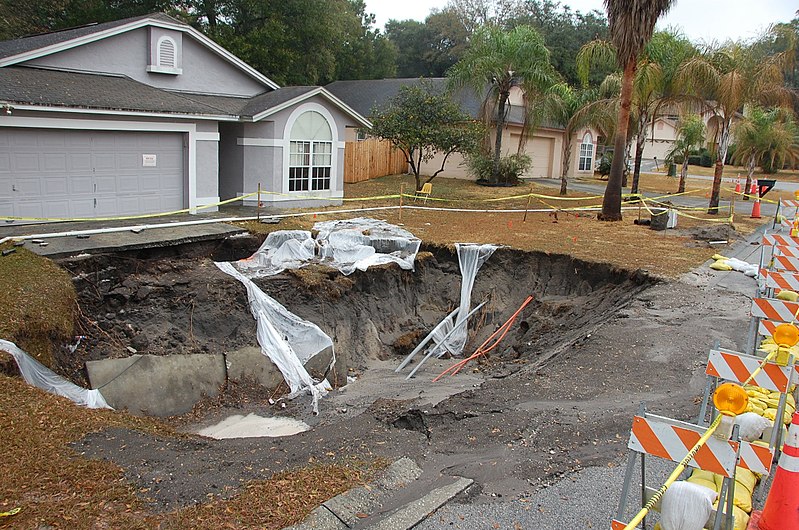
Florida is celebrated for its sunshine and beaches—but also, unfortunately, for sinkholes. For community associations across the state, sinkholes bring unique challenges that go far beyond simple repairs. They can affect property values, safety, and legal obligations, especially in shared‑living environments like condos and HOAs.

Why Florida is Especially Vulnerable

Florida’s geology is primarily made up of limestone, a porous rock that dissolves over time as underground water moves through it. When the ground can’t support what’s on top, the surface suddenly collapses—creating a sinkhole. Conditions that trigger sinkholes include heavy rains, prolonged droughts, shifts in groundwater, or nearby construction and excavation.

What Sinkholes Mean for Community Associations

In associations, shared land and interconnected structures complicate how sinkhole events are managed:

    • Property Damage: A sinkhole on common property can damage roads, amenities like pools or sidewalks, and multiple units.

    • Insurance Coverage: Not all insurance policies cover sinkhole damage. Associations must ensure their master policy includes sinkhole or ground collapse protection, and unit owners should verify their individual policies.

    • Responsibility & Repairs: Typically, the association is responsible for stabilizing and repairing common areas, while unit owners may be responsible for interior damage. Governing documents and Florida law often dictate who does what.

Signs to Watch For

Early detection can save thousands of dollars and prevent crises. Community managers and residents should monitor for:

  • Cracks in walls, foundations, or tile/floor surfaces

  • Doors or windows that no longer seal or close properly

  • Depressions, sunken or soft spots in lawns, common areas, or paved surfaces

  • Tilting fences, leaning trees, or shifts in exterior structures

Proactive Measures & Best Practices

  1. Insurance Audit & Policy Review
    Ensure the association’s master policy includes sinkhole/ground collapse coverage. Encourage unit owners to check individual policies.
  2. Regular Inspections & Monitoring
    Schedule structural inspections, especially after heavy rainfall or drought. Document any signs of shifting ground or building movement early.

  3. Clear Governing Documents
    Make sure bylaws or declaration explicitly define responsibilities for sinkhole repair, including what constitutes common area vs. unit owner damage.

  4. Risk Mitigation Planning
    Identify higher‑risk zones (e.g. community areas with porous soil, near water runoff, or undergoing construction). Plan stabilization or remediation measures in the association’s budget.

  5. Effective Communication
    Inform residents about sinkhole risks, warning signs, and responsibilities. Transparently share inspection findings and remediation plans.

Final Thoughts

Sinkholes are a reality in Florida, but with preparation, strong insurance coverage, and proactive monitoring, community associations can greatly reduce risk. By acting early and clearly defining roles and responsibilities, associations protect not only infrastructure, but the safety, value, and peace of mind for all residents.

Popular in the Community

ChatGPT Image Sep 18, 2025, 05_23_19 PM
Tree Services for Community Associations: Boosting Safety, Value, and Curb Appeal
Discover the importance of tree services in community associations. Learn how routine care enhances safety,...
Learn more
ChatGPT Image Sep 18, 2025, 05_08_14 PM
Pressure Washing and Community Associations: Boosting Curb Appeal and Property Value
Discover how routine pressure washing benefits community associations. Learn how this simple service...
Learn more
ChatGPT Image Sep 18, 2025, 04_58_09 PM
Home Health Care and Community Associations: Supporting Residents with Empathy and Awareness
Discover why community association managers should understand the rise of home health care. Learn how...
Learn more