Managing Pet Waste in Community Associations: Protecting Health, Water, and Community Harmony

Managing Pet Waste in Community Associations: Protecting Health, Water, and Community Harmony
Written by Heidi Hensell

October 8, 2025

Table of Contents

Share

Link copied to clipboard!

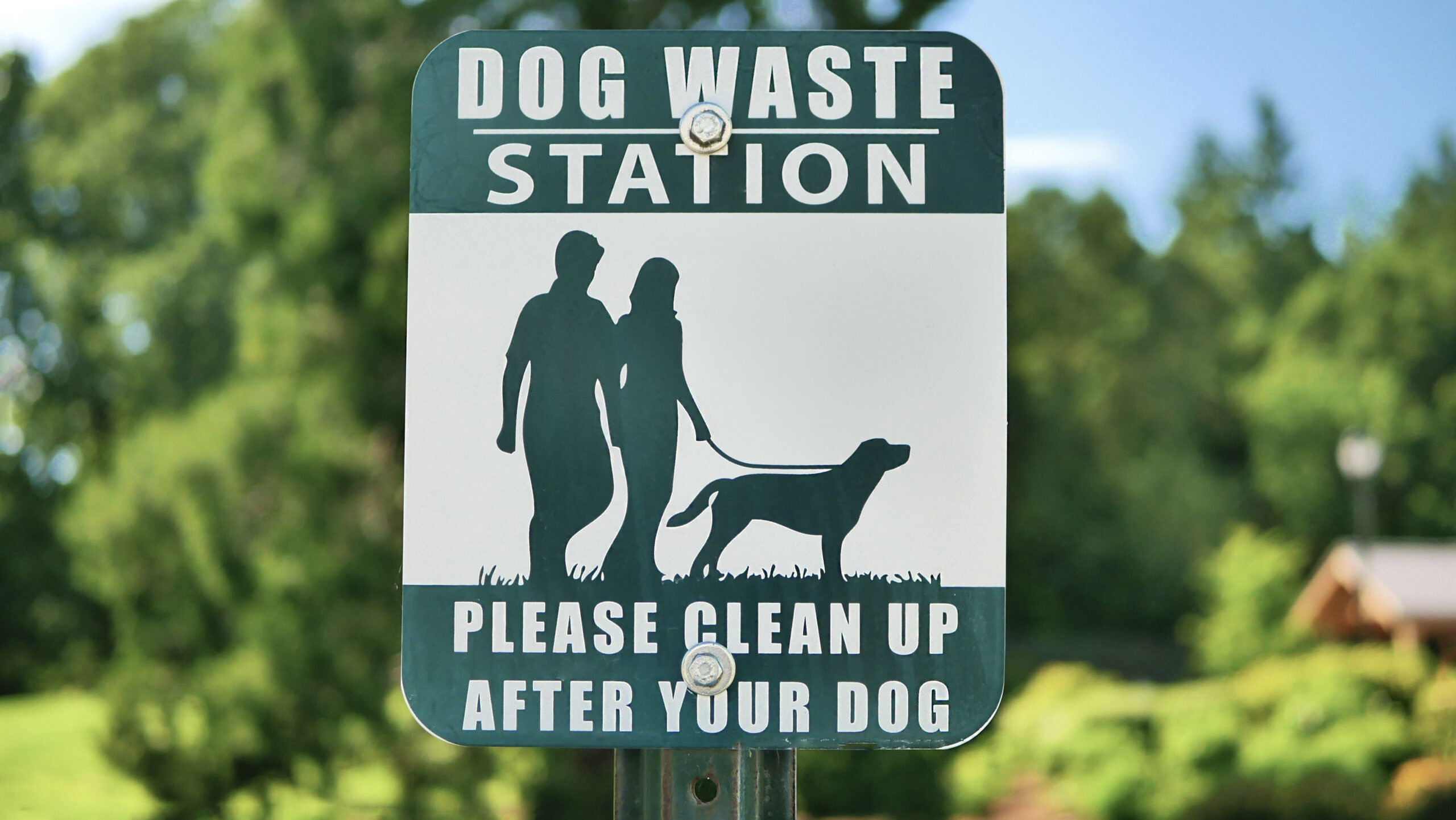
In pet-friendly communities, animals bring joy—but managing pet waste is critical for preserving health, aesthetics, and reputation. Proper cleanup of pet waste safeguards water quality, prevents disease, and supports a respectful living environment.

Why Pet Waste Management Matters

Uncollected pet waste poses real threats beyond cleanliness—it harbors harmful bacteria and parasites, attracts pests, and contaminates water systems through runoff. Pet waste is a common contributor to nutrient and bacteria pollution in urban waterways, leading to ecosystem degradation. Additionally, pet waste frequently carries pathogens that can cause serious illnesses in humans and animals alike.

Effective Strategies for Pet Waste Management:

StrategyDescription
Install Pet Waste StationsOffer conveniently located bag dispensers and disposal bins throughout common areas—especially near walking paths and parks—to encourage responsible behavior.(SilvercreekAM.com)
Clear Pet PoliciesEnsure governing documents explicitly require pet owners to remove waste. Policies should detail expectations and consequences for non-compliance.(SilvercreekAM.com)
Communication & RemindersUse newsletters, signage, or community apps to reinforce pet cleanup responsibilities and highlight the health and environmental reasons behind the policies.
Fines & EnforcementApply consistent enforcement and fines for repeat offenders to uphold community standards reliably.(SilvercreekAM.com)
Encourage Community PrideFoster a culture of respect and stewardship where responsible pet ownership enhances neighborhood pride.

Environmental & Community Impact

Left on the ground, pet waste washes into storm drains that feed local waters. This can introduce excess nitrogen and phosphorus, spur algae growth, deplete oxygen, and harm aquatic life. In addition, pet waste can carry dangerous pathogens—such as fecal coliforms—that compromise health when they enter environments accessible to children or pets.

Final Thought

Managing pet waste may seem like a small task—but its impact on community health and harmony is anything but minor. With strategies like waste stations, clear policies, consistent communication, and fair enforcement, associations can uphold hygiene, environmental protection, and neighborly respect. Together, these efforts build healthier, cleaner, and more connected community environments.

Popular in the Community

aGVp03fc4bHWi-Lo_APM-HOA-President-Duties-blog
How to Choose the Right HOA or Condo President for Strong Community Leadership
Learn how to choose the right HOA or condo association president to ensure strong leadership, financial...

Learn more
shutterstock_2356241977
Choosing the Right Bank for Your HOA or Condo Association: What Boards Need to Know
Learn how to choose the right bank for your HOA or condo association, including key features like reserve...

Learn more
ChatGPT Image Mar 19, 2026, 11_47_23 AM
Best Property Management Software for HOAs and Condos: How to Choose the Right Platform
Discover how to choose the best property management software for HOAs and condos, including platforms...
Learn more