The Importance of Mulch in Community Landscapes

The Importance of Mulch in Community Landscapes
Written by Heidi Hensell

December 30, 2025

Table of Contents

Share

Link copied to clipboard!

Mulch may seem like a small detail in landscaping, but for homeowners’ associations (HOAs), condominium associations (COAs), and community-managed properties, it plays a vital role in maintaining healthy, attractive, and sustainable outdoor environments. From preserving soil moisture to enhancing visual appeal, mulch delivers a host of benefits that support both aesthetics and practicality in shared spaces.

What Is Mulch?

Mulch is a protective layer of material—organic (like wood chips, shredded leaves, compost, or bark) or inorganic (such as rubber, gravel, or landscape fabric)—spread over soil to improve its condition. It conserves moisture, suppresses weeds, regulates soil temperature, and enhances overall soil health.

Benefits of Mulch for Communities

  • Moisture Retention
    Mulch acts as a shield, helping soil retain water and reducing the frequency of irrigation—saving water and maintenance costs.

  • Weed Suppression
    It blocks sunlight from reaching weed seeds, minimizing the need for chemical herbicides or labor-intensive weeding.

  • Soil Health & Enrichment
    Organic mulch decomposes over time, enriching the soil with nutrients and improving its structure—promoting healthier plant growth.

  • Temperature Regulation
    By insulating the soil, mulch protects roots from temperature extremes, helping plants thrive through hot summers and cold winters.

  • Erosion Prevention
    On slopes or near communal walkways, mulch slows water runoff and helps maintain soil integrity.

  • Aesthetic Value
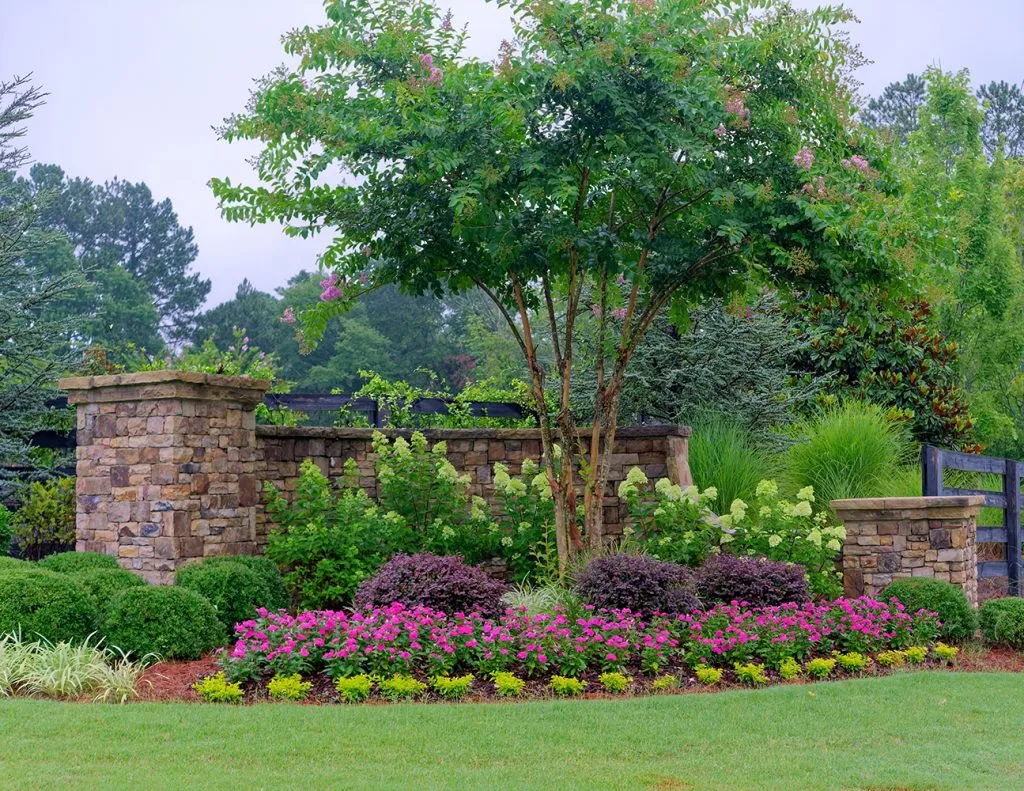
    Mulched beds offer a polished, uniform appearance that complements landscape design and boosts curb appeal.

Considerations for HOAs and COAs

While mulch offers many benefits, community associations should consider its ongoing maintenance needs, potential pest attraction, fire risks, and cost. Choosing the right type—organic for soil health or inorganic for minimal maintenance—depends on landscape goals and local conditions.

Best Practices for Effective Mulching

  • Apply mulch at an appropriate depth (typically 2–3 inches) to ensure effectiveness without suffocating plants.

  • Avoid piling mulch against plant stems or tree trunks to prevent rot or disease.

  • Use edging or natural barriers to keep mulch in place—especially important in wet or windy climates.

  • Reapply mulch annually to maintain its benefits—especially crucial in high-traffic or exposure-prone beds.

Conclusion

Mulch is more than just a decorative layer—it’s a practical, cost-effective solution for enhancing soil health, aesthetics, and maintenance efficiency. By investing in proper mulching practices, HOAs and COAs can foster beautiful, sustainable landscapes that elevate property values and enrich residents’ experiences. Thoughtfully applied mulch delivers lasting benefits for communities, nature, and budgets alike.

Popular in the Community

ChatGPT Image Mar 11, 2026, 03_41_06 PM
Why Great Property Management Companies Are the Backbone of Successful HOA and Condo Communities
Discover why strong property management companies are essential for successful HOA and condo communities,...

Learn more
ChatGPT Image Mar 11, 2026, 03_23_57 PM
HOA Reserve Planning: How “Board Paralysis” Can Cost Communities Thousands
Learn how board hesitation on reserve studies can lead to costly repairs and special assessments in HOA...

Learn more
ChatGPT Image Mar 11, 2026, 02_54_48 PM
Newspaper Subscriptions in Condominium Associations: Old Habit or Modern Amenity?
Are newspaper subscriptions still a valuable amenity for condominium associations? Explore the costs,...
Learn more