Duct Cleaning in Community Associations: Ensuring Clean Air and Healthy Living

Duct Cleaning in Community Associations: Ensuring Clean Air and Healthy Living
Written by Heidi Hensell

November 10, 2025

Table of Contents

Share

Link copied to clipboard!

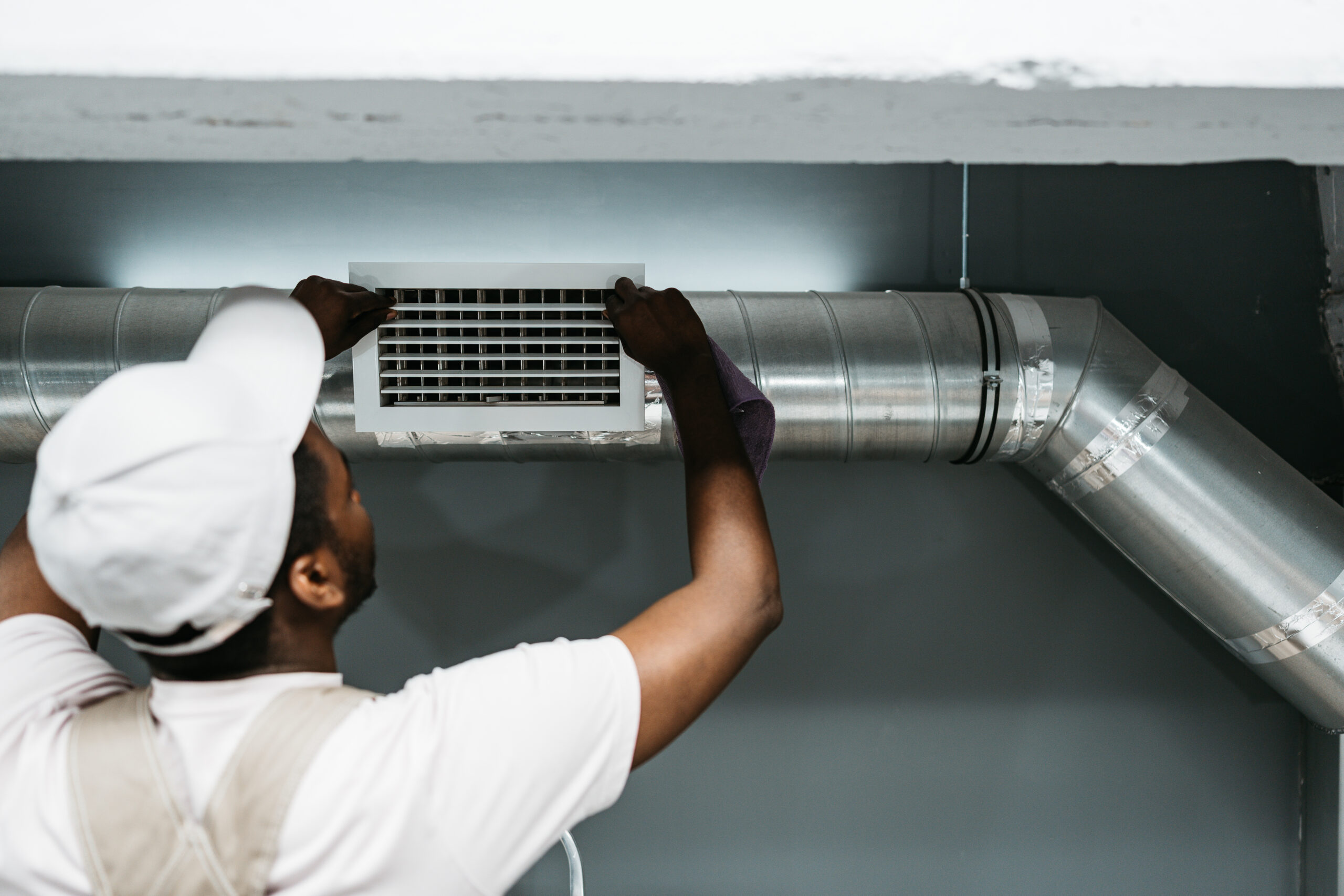
Clean indoor air is vital for residents’ health and comfort—and in community associations, especially in multi-unit buildings, duct cleaning plays an essential role. Effective maintenance improves air quality, HVAC efficiency, and resident satisfaction.

Why Duct Cleaning Matters

Over time, HVAC ducts accumulate dust, allergens, mold, and pest residue. If not cleaned regularly, these contaminants circulate throughout units, contributing to respiratory issues, musty odors, and decreased HVAC performance—becoming a community-wide concern. In multi-unit settings, compromised air quality can affect residents across many homes, making duct maintenance a shared priority.

Key Considerations for Associations

  1. Clarify Responsibility
    Clearly define whether duct cleaning is a homeowner or association responsibility, particularly when HVAC systems are shared. This distinction helps prevent confusion and ensures timely maintenance.
  2. Routine Maintenance Schedules
    For association-managed systems, schedule duct cleaning every 3–5 years to prevent buildup and extend equipment lifespan. For other systems, perform visual inspections periodically.
  3. Preventing Mold and Allergens
    In humid environments, uncleaned ducts can foster mold growth. Regular cleaning reduces health risks and improves respiratory comfort for all residents.
  4. Use Certified Professionals
    Always choose certified HVAC professionals—ideally NADCA-accredited—to ensure thorough cleaning, sanitation, and system integrity.
  5. Educate Residents
    Raise awareness about signs of duct issues—such as dust discharge or musty smells—and encourage residents to report problems early to mitigate risks.

Additional Benefits and Best Practices

  • Enhanced HVAC Efficiency: Clean ducts reduce energy use and increase system longevity.

  • Higher Resident Satisfaction: Improved air quality results in happier, healthier residents and preserves the community’s reputation.

  • Regulatory Compliance: Proactive cleaning helps reduce liability, especially in older buildings prone to mold or air quality issues. (EPA guidelines also partially address scenarios where cleaning isn’t always necessary—yet underline the value when contamination is present.)

Popular in the Community

ChatGPT Image Mar 5, 2026, 04_43_38 PM
HOA Rules That Are Actually Fun (Yes, Really!)
Discover surprising HOA rules that actually make communities more enjoyable—from garden contests to pool...
Learn more
ChatGPT Image Mar 3, 2026, 04_59_42 PM
How to Request Changes or Variances in Your HOA
Learn how to request a variance from your HOA. Step-by-step guide to submitting architectural changes,...
Learn more
ChatGPT Image Mar 3, 2026, 04_47_50 PM
Managing Vendors: Red Flags Condo Boards Should Watch For
Learn key vendor red flags condo and HOA boards should watch for, including licensing issues, vague contracts,...
Learn more