Disaster Preparedness: Hurricane Season for Community Associations

Disaster Preparedness: Hurricane Season for Community Associations
Written by Heidi Hensell

August 11, 2025

Table of Contents

Share

Link copied to clipboard!


Hurricane season is a critical time for HOAs, condominiums, and community associations. Proactive planning can safeguard property, reduce liability, and save lives.

Why Preparedness Matters

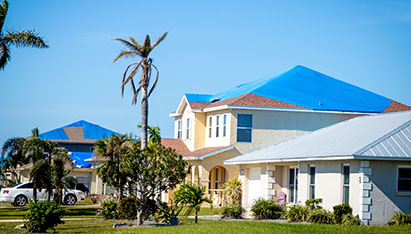
Every year, hurricanes pose serious threats to community associations—damaging property, disrupting lives, and draining financial reserves. The devastation of Hurricane Ian, the costliest storm in Florida’s history, proved how vital it is for communities to act early and effectively. Communities with strong plans in place rebound faster and protect both people and property.

Top 7 Steps to Get Your Community Hurricane-Ready

1. Form a Preparedness Committee

Designate a small team of board members, property managers, and vendor contacts to lead hurricane planning and response. Assign roles in advance—such as emergency coordinator, vendor liaison, and communications lead.

2. Create a Customized Emergency Plan

Tailor your hurricane response plan to the community’s layout and needs. Include:

  • Evacuation routes

  • Contact details for emergency services and vendors

  • Locations of shut-off valves and key utilities

  • Storage areas for storm supplies

Use emergency powers, if available in your state, to speed up decision-making during crises.

3. Secure the Property

Take inventory of outdoor items that could become airborne during a storm. Store or anchor:

  • Pool furniture

  • Signage

  • Decorations

  • Tools and maintenance gear

  • Trim overgrown trees and inspect common areas for hazards.

4. Communicate Clearly and Often

Establish a multi-channel communication plan using:

  • Emails

  • Text alerts

  • Community apps or portals

  • Social media

Keep residents informed before, during, and after storms.

5. Coordinate With Vendors

Schedule pre-storm inspections and set agreements with restoration companies, landscapers, and waste removal contractors to ensure you’re prioritized post-storm. Build strong relationships with local emergency services.

6. Check Your Insurance & Budget

Annually review your community’s insurance policies for hurricane coverage. Maintain updated inventories (with photos or video) of community assets. Ensure reserve funds are adequate for storm recovery needs.

7. Run Drills and Evaluate

Practice evacuation procedures and review lessons learned after each storm season. Update your emergency plan regularly based on feedback and evolving community needs.

Final Thoughts

Storms may be unpredictable—but preparation is within your control. A well-planned approach not only reduces damage but also strengthens community trust and cohesion. Start now, stay informed, and lead your community with confidence this hurricane season.

Popular in the Community

ChatGPT Image Mar 10, 2026, 10_52_10 AM
Florida HB 657: What It Means for Community Association Residents
Explore advanced HOA and COA property management software features including resident portals, violation...

Learn more
Diverse friends are toasting green beer, celebrating st
St. Patrick’s Day in Your Florida HOA or COA: Celebrating Safely
Planning St. Patrick’s Day celebrations in a Florida HOA or COA? Learn how to stay compliant with community...

Learn more
Noise complaint Annoyed woman blocking ears with pillows on a couch
Noise Compliance in Florida COAs and HOAs: What Residents Should Know
Learn how noise compliance works in Florida HOAs and COAs, including quiet hours, local ordinances, and...
Learn more

10 Ways a CAM Can Improve Your Community’s Efficiency

10 Ways a CAM Can Improve Your Community’s Efficiency

Written by Chris Abbott

19 April, 2025

Table of Contents

Share

Link copied to clipboard!

Managing a homeowners association (HOA) or community association is no small task. With numerous responsibilities, from financial management to keeping the residents engaged, it’s easy for things to slip through the cracks. That’s where a Community Association Manager (CAM) comes in.

A skilled CAM can significantly improve your community’s efficiency by taking on key administrative duties, offering expert advice, and implementing processes that keep everything running smoothly. Here are 10 ways a CAM can streamline your community operations:

1. Streamlining Financial Management

One of the most crucial tasks of a CAM is managing the community’s finances. From setting the annual budget to collecting dues, the CAM ensures that financial operations are seamless. They track income and expenses, generate financial reports, and work closely with board members to ensure the association’s funds are used wisely. CAMs ensure financial transparency, making it easier for board members and residents to understand where funds are allocated.

Example: A CAM uses software to automate bill collection, keeping residents on track with timely payments and reducing manual tracking for the board.

2. Enforcing Community Rules and Regulations

A CAM is responsible for ensuring that the community follows the rules and regulations outlined in the governing documents (CC&Rs). They are the ones who handle violations, track issues, and enforce policies. By keeping a well-organized system of documenting and handling infractions, the CAM ensures that enforcement is consistent, fair, and transparent.

Example: Instead of manually tracking violations, a CAM uses a task management system like Kaloop’s Task Management feature, which automatically logs violations and sends notifications to the appropriate parties.

3. Managing Communication

Clear communication is key to the smooth running of any community. A CAM serves as the primary point of contact between residents and the board, ensuring that all parties stay informed. They handle emails, phone calls, newsletters, and notifications about upcoming events, meetings, or important changes to the community.

Example: A CAM can automate email notifications for upcoming meetings, rule changes, and maintenance schedules to ensure all residents receive timely and consistent communication.

4. Coordinating Maintenance and Repairs

A CAM takes the burden of coordinating maintenance projects off the board’s shoulders. Whether it’s a routine landscape job, a plumbing issue, or managing contractors for large-scale repairs, the CAM manages the entire process. They ensure timely follow-ups, check contractor quality, and verify work completion.

Example: CAMs use management software to schedule, track, and confirm completion of maintenance requests, ensuring that nothing gets overlooked.

5. Managing Resident Requests and Concerns

When residents have questions or concerns, the CAM acts as a mediator, handling requests and resolving issues quickly. From handling maintenance complaints to addressing questions about community policies, a CAM ensures that all residents feel heard and valued.

Example: With a ticketing system in place, a CAM can easily categorize and prioritize requests, ensuring that no issues fall through the cracks and that urgent requests are handled promptly

6. Overseeing Vendor Relationships

A well-managed community needs reliable vendors, whether for landscaping, security, cleaning, or maintenance. CAMs negotiate contracts, manage relationships, and monitor vendor performance to ensure the community is receiving the best value for their money.

Example: A CAM evaluates vendor performance based on clear metrics and uses management software to track service delivery, ensuring vendors meet their agreed-upon terms.

7. Hosting and Managing Board Meetings

A CAM schedules and facilitates board meetings, ensuring that they run efficiently and remain productive. They prepare agendas, distribute meeting materials, and ensure that all action items are documented and followed up on after the meeting.

Example: Using Kaloop’s meeting management features, the CAM can send out agendas in advance, track attendance, and follow up on assigned tasks—all within one platform.

8. Budget Planning and Long-Term Forecasting

CAMs work with the board to prepare the annual budget and create long-term financial forecasts for the community’s needs. They ensure that funds are allocated appropriately and that the community is financially prepared for any unexpected expenses or large projects.

Example: A CAM utilizes financial software that provides real-time data and predictive forecasting, helping the board make informed decisions about the community’s long-term financial health.

9. Ensuring Legal Compliance

HOAs must comply with local, state, and federal laws, and a CAM helps ensure that the community adheres to these regulations. From understanding fair housing laws to ensuring compliance with zoning codes, a CAM protects the community from potential legal risks.

Example: A CAM regularly reviews legal updates and ensures that the community’s governing documents and procedures are in alignment with current laws, keeping the association legally compliant.

10. Improving Resident Engagement

A CAM’s role extends beyond managing the daily operations of the community. They actively engage with residents, organizing social events, community gatherings, and communication channels to foster a strong sense of belonging. This helps improve the overall experience of living in the community.

Example: A CAM uses online platforms to organize community events, create resident polls, and gather feedback to keep the community engaged and make them feel involved in decision-making.

In Conclusion

A Community Association Manager (CAM) plays a critical role in making a community efficient, organized, and welcoming. By handling essential duties like financial management, rule enforcement, vendor relations, and communication, a CAM ensures that the community operates smoothly and meets the needs of its residents.

If you’re looking to streamline the management of your HOA or community association, consider how a skilled CAM can help you achieve your goals. With the right tools and expertise, CAMs are an invaluable asset to any community.

Popular in the Community

ChatGPT Image Mar 10, 2026, 10_52_10 AM
Florida HB 657: What It Means for Community Association Residents
Explore advanced HOA and COA property management software features including resident portals, violation...
Learn more
Diverse friends are toasting green beer, celebrating st
St. Patrick’s Day in Your Florida HOA or COA: Celebrating Safely
Planning St. Patrick’s Day celebrations in a Florida HOA or COA? Learn how to stay compliant with community...
Learn more
Noise complaint Annoyed woman blocking ears with pillows on a couch
Noise Compliance in Florida COAs and HOAs: What Residents Should Know
Learn how noise compliance works in Florida HOAs and COAs, including quiet hours, local ordinances, and...
Learn more