Copyright © Kaloop 2025 All Right Reserved
Disaster Preparedness: Hurricane Season for Community Associations

Written by Heidi Hensell
August 11, 2025
Table of Contents
Hurricane season is a critical time for HOAs, condominiums, and community associations. Proactive planning can safeguard property, reduce liability, and save lives.
Why Preparedness Matters
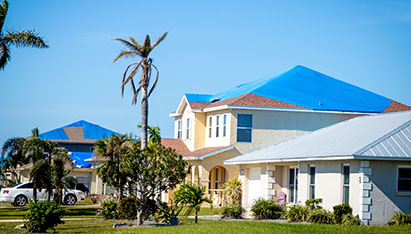
Every year, hurricanes pose serious threats to community associations—damaging property, disrupting lives, and draining financial reserves. The devastation of Hurricane Ian, the costliest storm in Florida’s history, proved how vital it is for communities to act early and effectively. Communities with strong plans in place rebound faster and protect both people and property.
Top 7 Steps to Get Your Community Hurricane-Ready
1. Form a Preparedness Committee
Designate a small team of board members, property managers, and vendor contacts to lead hurricane planning and response. Assign roles in advance—such as emergency coordinator, vendor liaison, and communications lead.
2. Create a Customized Emergency Plan
Tailor your hurricane response plan to the community’s layout and needs. Include:
Evacuation routes
Contact details for emergency services and vendors
Locations of shut-off valves and key utilities
Storage areas for storm supplies
Use emergency powers, if available in your state, to speed up decision-making during crises.
3. Secure the Property
Take inventory of outdoor items that could become airborne during a storm. Store or anchor:
Pool furniture
Signage
Decorations
Tools and maintenance gear
Trim overgrown trees and inspect common areas for hazards.
4. Communicate Clearly and Often
Establish a multi-channel communication plan using:
Emails
Text alerts
Community apps or portals
Social media
Keep residents informed before, during, and after storms.
5. Coordinate With Vendors
Schedule pre-storm inspections and set agreements with restoration companies, landscapers, and waste removal contractors to ensure you’re prioritized post-storm. Build strong relationships with local emergency services.
6. Check Your Insurance & Budget
Annually review your community’s insurance policies for hurricane coverage. Maintain updated inventories (with photos or video) of community assets. Ensure reserve funds are adequate for storm recovery needs.
7. Run Drills and Evaluate
Practice evacuation procedures and review lessons learned after each storm season. Update your emergency plan regularly based on feedback and evolving community needs.
Final Thoughts
Storms may be unpredictable—but preparation is within your control. A well-planned approach not only reduces damage but also strengthens community trust and cohesion. Start now, stay informed, and lead your community with confidence this hurricane season.