HOA Waterproofing: Protecting Communities from Costly Damage and Structural Risks

HOA Waterproofing: Protecting Communities from Costly Damage and Structural Risks
Written by Heidi Hensell

February 3, 2026

Table of Contents

Share

Link copied to clipboard!

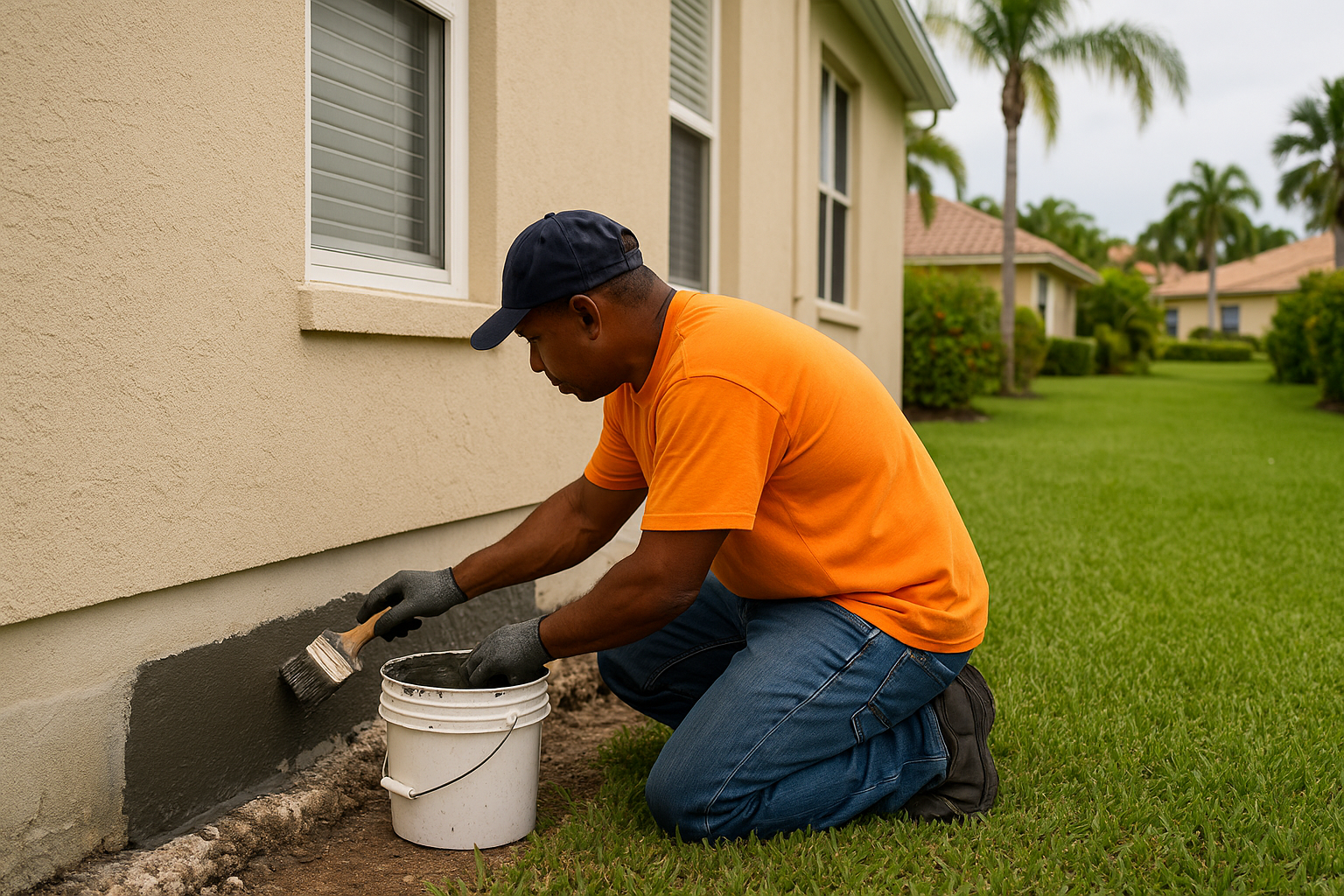
In community association management, waterproofing is one of the most crucial—but often overlooked—maintenance responsibilities. Without proper waterproofing, buildings, foundations, balconies, and common areas are vulnerable to water damage, mold growth, and structural deterioration. These issues can quickly escalate into costly repairs, safety hazards, and frustrated residents.

For HOA boards and managers, investing in proactive waterproofing protects not only the community’s infrastructure but also its long-term property values and reputation.

Why Waterproofing Matters in HOAs

1. Prevents Costly Damage
Water infiltration through cracks, leaks, or poor drainage can damage walls, roofs, and foundations. The longer water issues go unaddressed, the more expensive the repairs become.

2. Protects Resident Health
Moisture creates conditions for mold and mildew, which can pose serious health risks to residents. Waterproofing helps maintain a safe and healthy environment.

3. Extends Longevity of Assets
Balconies, parking garages, and shared facilities last longer when properly sealed and protected from moisture. Preventive care delays the need for major replacements.

4. Maintains Property Values
Well-maintained buildings and common areas preserve curb appeal and marketability. Buyers are more confident investing in communities with a strong maintenance record.

Best Practices for HOA Waterproofing

1. Conduct Regular Inspections
Schedule inspections to identify leaks, cracks, or drainage issues early. Pay special attention to basements, balconies, and roofs where water intrusion is most common.

2. Implement Proactive Solutions
A comprehensive waterproofing plan may include:

  • Sealants and coatings for walls and surfaces

  • Membrane applications for roofs and balconies

  • Proper grading and drainage improvements to direct water away from buildings

3. Partner with Professionals
Licensed contractors can provide expert recommendations and ensure waterproofing projects meet building codes and HOA standards.

4. Educate Homeowners
Encourage residents to report water intrusion promptly and maintain their own property to prevent issues from spreading into shared areas.

Long-Term Benefits

When HOAs make waterproofing a priority, they protect the community from unexpected emergencies, preserve structural integrity, and enhance resident satisfaction. Proactive care saves money over time and reinforces trust that the association is safeguarding the neighborhood’s future.

In short, waterproofing isn’t just about preventing leaks—it’s about protecting the community’s well-being, investments, and peace of mind from the ground up.

Popular in the Community

Adult education students working in pairs in classroom
Continuing Education for Florida Community Association Managers
Learn Florida CAM continuing education requirements, including CEU hours, required topics, and why ongoing...

Learn more
ChatGPT Image Mar 10, 2026, 10_52_10 AM
Florida HB 657: What It Means for Community Association Residents
Explore advanced HOA and COA property management software features including resident portals, violation...

Learn more
Diverse friends are toasting green beer, celebrating st
St. Patrick’s Day in Your Florida HOA or COA: Celebrating Safely
Planning St. Patrick’s Day celebrations in a Florida HOA or COA? Learn how to stay compliant with community...
Learn more