Preventive Maintenance vs. Emergency Repairs: Why Proactive Planning Saves Condo & HOA Communities Money
Preventive Maintenance vs. Emergency Repairs

Written by Chris Abbott

May 5, 2026

Table of Contents

Share

Link copied to clipboard!

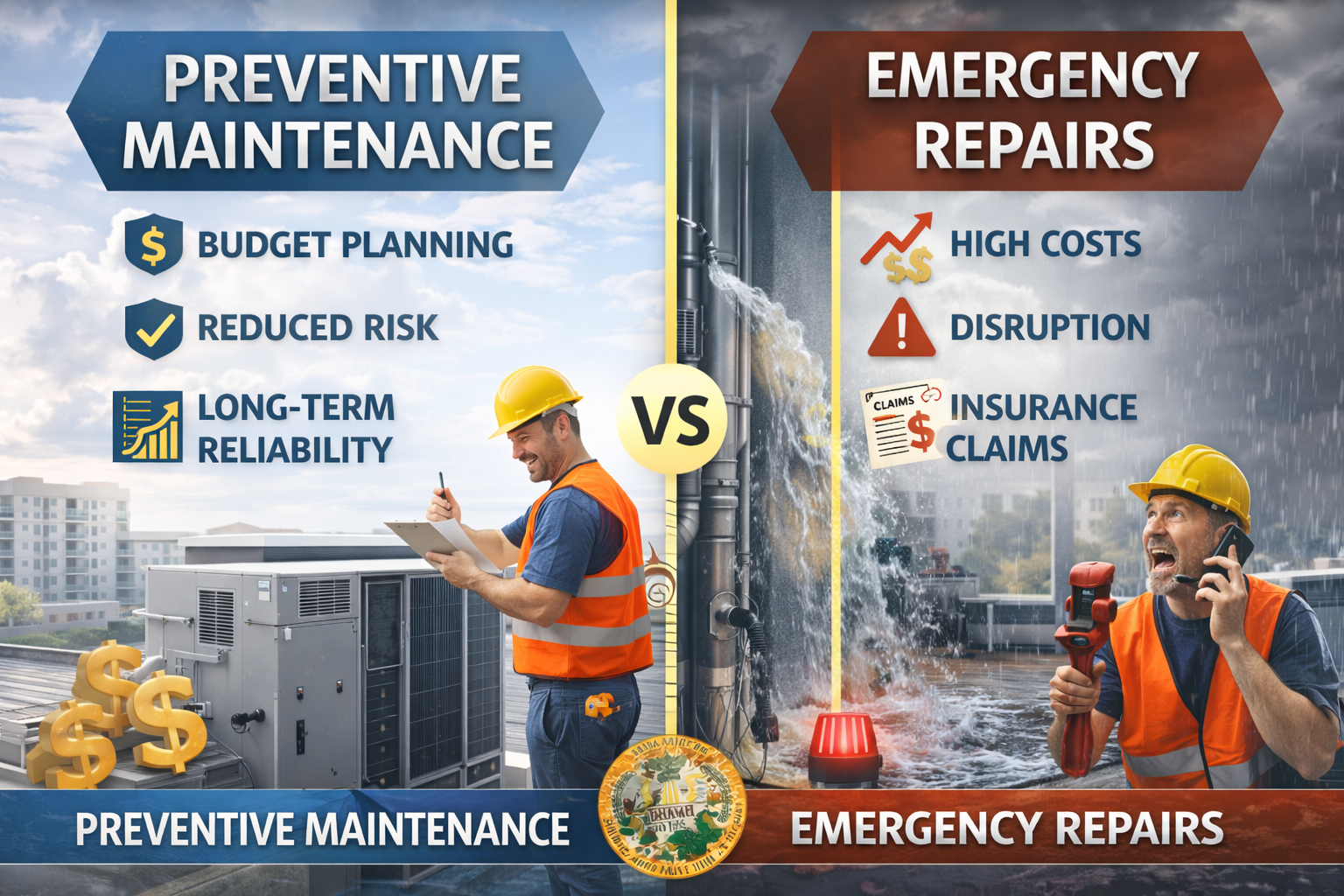
Preventive maintenance is a planned and proactive approach to caring for a condominium or HOA property. It focuses on regular inspections, routine servicing, and timely repairs designed to extend the life of building components. In contrast, emergency repairs occur when systems fail unexpectedly—often at the worst possible time.

While most associations understand the value of preventive maintenance, budget pressures or lack of long-term planning can push communities into a costly reactive cycle.

The High Cost of Emergency Repairs

Emergency repairs almost always come with higher expenses. Contractors may be called in on short notice, overtime rates often apply, and temporary solutions may be required to protect life or property.

Unexpected repairs can result in:

  • Increased operating expenses

  • Special assessments

  • Disruption to residents

  • Insurance claims

  • Strained reserve funds

Delayed or incomplete emergency fixes may also lead to additional damage, increasing liability and long-term costs.

How Preventive Maintenance Reduces Risk

Preventive maintenance programs identify issues before they escalate. Regular inspections of roofs, plumbing, electrical systems, elevators, HVAC systems, and structural components allow associations to address wear and tear early—when repairs are simpler and more affordable.

A proactive approach helps associations:

  • Extend the life of major components

  • Reduce unexpected breakdowns

  • Improve budget predictability

  • Strengthen reserve planning

  • Avoid emergency contractor premiums

Planned maintenance costs are far easier to incorporate into annual budgets and long-term reserve studies than sudden emergency expenditures.

Financial and Insurance Benefits

Preventive maintenance also improves safety and reliability. Well-maintained systems are less likely to fail unexpectedly, reducing the risk of property damage or injury.

Insurers and lenders often view associations with strong maintenance practices more favorably. Demonstrating consistent upkeep can support:

  • More stable insurance coverage

  • Lower claim frequency

  • Stronger lender confidence

  • Improved property values

Neglected properties, on the other hand, may face higher premiums or underwriting scrutiny.

Building a More Resilient Community

Associations that prioritize preventive maintenance protect their physical assets, stabilize finances, and create a more predictable living environment for residents.

Over time, a proactive maintenance strategy results in fewer emergencies, lower long-term costs, and reduced conflict within the community.

Popular in the Community

ChatGPT Image Mar 5, 2026, 04_43_38 PM
HOA Rules That Are Actually Fun (Yes, Really!)
Discover surprising HOA rules that actually make communities more enjoyable—from garden contests to pool...
Learn more
ChatGPT Image Mar 3, 2026, 04_59_42 PM
How to Request Changes or Variances in Your HOA
Learn how to request a variance from your HOA. Step-by-step guide to submitting architectural changes,...
Learn more
ChatGPT Image Mar 3, 2026, 04_47_50 PM
Managing Vendors: Red Flags Condo Boards Should Watch For
Learn key vendor red flags condo and HOA boards should watch for, including licensing issues, vague contracts,...
Learn more

Keeping Communities Comfortable: Smart HVAC Practices for HOAs

Keeping Communities Comfortable: Smart HVAC Practices for HOAs
Written by Heidi Hensell

September 2, 2025

Table of Contents

Share

Link copied to clipboard!

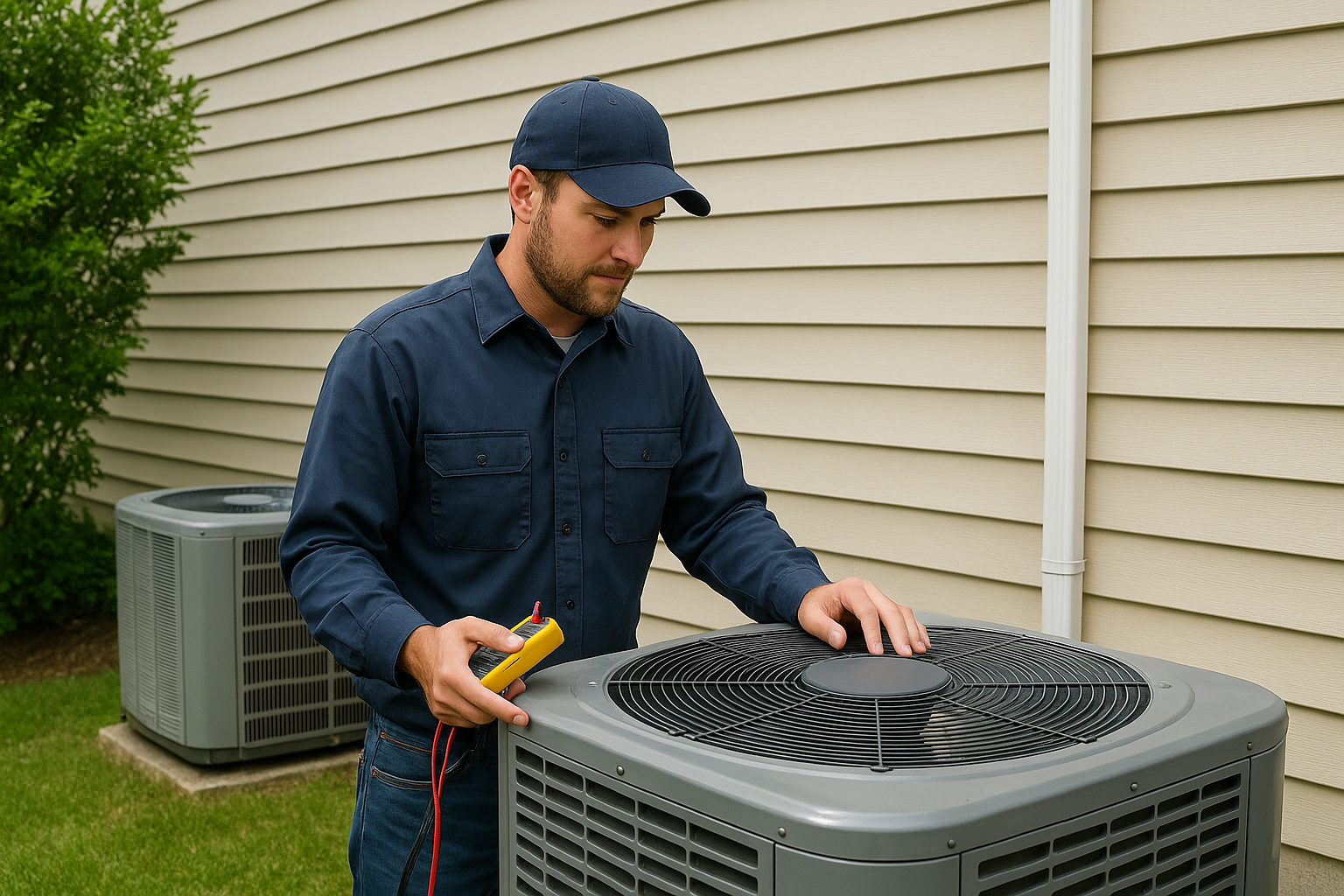
HVAC systems are the unsung heroes of community comfort, health, and energy efficiency. For homeowners’ associations—whether HOAs, condominiums, or co-ops—regular HVAC upkeep isn’t just about temperature control—it’s a strategic element of preserving property value, enhancing resident satisfaction, and ensuring long-term cost savings.

Why HVAC Matters for HOAs

Shared systems in condominiums or townhomes become communal assets, making their maintenance a collective responsibility. When neglected, HVAC systems can cause elevated energy expenses, inconsistent temperatures, frequent breakdowns, and even poor indoor air quality. Embracing proactive HVAC best practices helps associations stabilize budgets, extend equipment lifespan, and enhance residents’ daily comfort.

Clarifying Maintenance Responsibility

One common challenge: determining who foots the bill. For shared HVAC systems and ductwork in common areas, the HOA typically assumes responsibility. Meanwhile, individual units with private systems generally fall under the homeowner’s purview. However, complexities arise when shared ducts cross into private areas—here, boards must review their CC&Rs and governing documents for guidance.

The Power of Preventive Maintenance

Proactive HVAC maintenance is a cornerstone of cost control and system longevity:

  • Regular inspections and servicing help detect issues early, reducing emergency calls and unexpected expenses.

  • Ensuring clean filters, sealed ductwork, and well-lubricated components improves energy efficiency and ensures smooth operation when it matters most

Budgeting & Reserve Planning

HVAC upkeep represents a key operating and reserve expense. Boards should incorporate HVAC planning into reserve studies, ensuring timely replacement without financial strain. This forward planning keeps communities resilient and avoids special assessments when equipment fails.

Resident Engagement & Clear Communication

An informed community is an empowered one. HOAs can boost HVAC performance by:

  • Advising residents on filter changes and optimal thermostat practices.

  • Clearly outlining who handles what—preventing confusion about maintenance duties and coverage.
    Regular communication builds trust and encourages residents to contribute to collective comfort goals.

Conclusion

HVAC systems do more than regulate temperature—they uphold resident comfort, safeguard health, and uphold community value. By defining maintenance roles, investing in preventive care, budgeting proactively, and engaging homeowners, HOAs can foster efficient, comfortable, and resilient environments. When HVAC systems run smoothly, the entire community benefits.

Popular in the Community

ChatGPT Image Mar 5, 2026, 04_43_38 PM
HOA Rules That Are Actually Fun (Yes, Really!)
Discover surprising HOA rules that actually make communities more enjoyable—from garden contests to pool...
Learn more
ChatGPT Image Mar 3, 2026, 04_59_42 PM
How to Request Changes or Variances in Your HOA
Learn how to request a variance from your HOA. Step-by-step guide to submitting architectural changes,...
Learn more
ChatGPT Image Mar 3, 2026, 04_47_50 PM
Managing Vendors: Red Flags Condo Boards Should Watch For
Learn key vendor red flags condo and HOA boards should watch for, including licensing issues, vague contracts,...
Learn more