Copyright © Kaloop 2025 All Right Reserved
Physical Property Management: The Backbone of a Well-Maintained Community

Written by Heidi Hensell
January 6, 2026
Table of Contents
- Introduction
- What Is Physical Property Management?
- Why Physical Property Management Matters for Community Associations
- A Partnership for Success
- Final Thought
Behind every well-maintained neighborhood is a strong system of physical property management. For community associations, this essential function ensures that shared spaces, buildings, and infrastructure remain safe, functional, and visually appealing. When property management is done right, residents enjoy higher satisfaction, stronger property values, and peace of mind knowing their community is cared for.
What Is Physical Property Management?
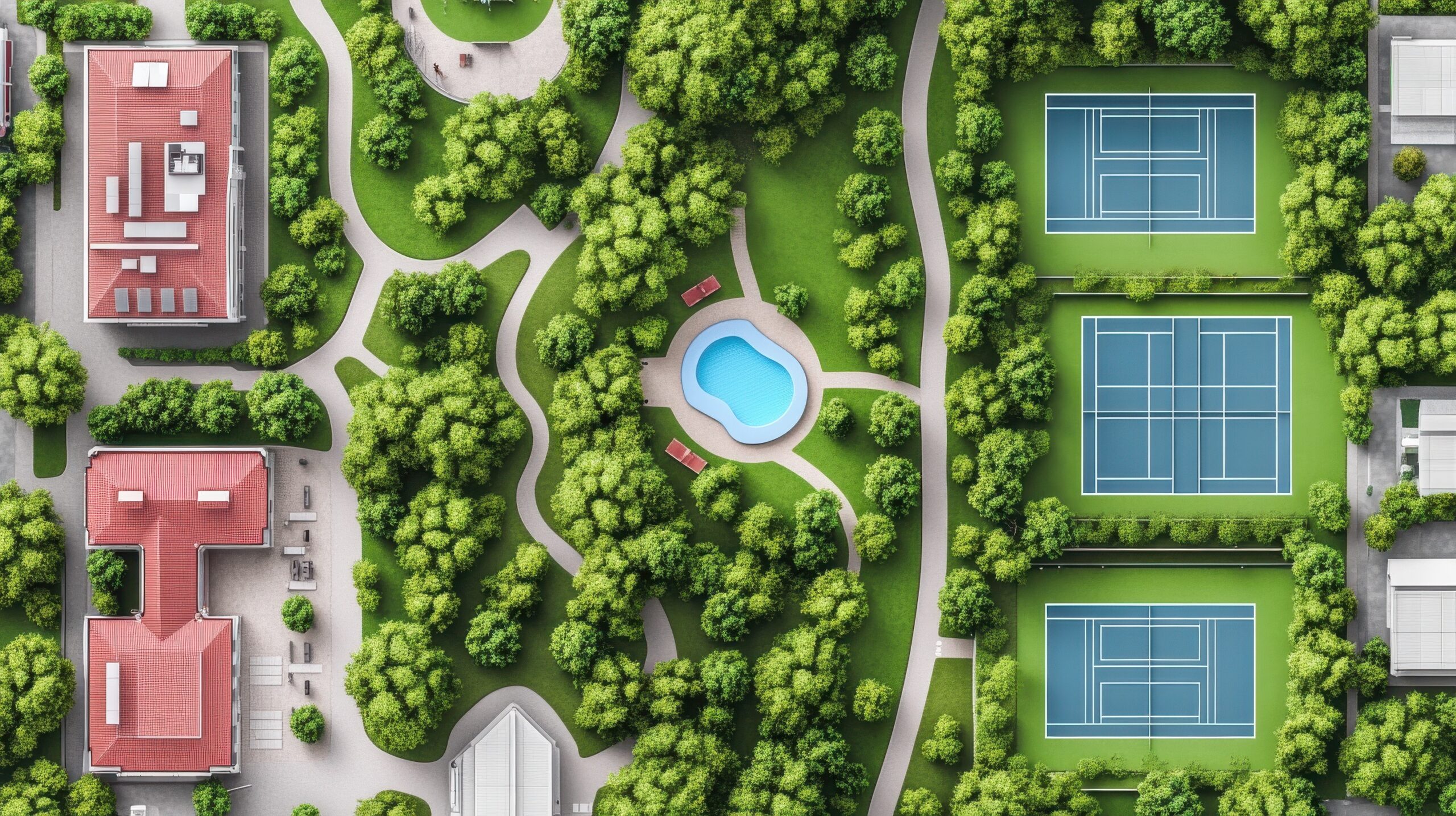
Physical property management involves the day-to-day oversight, maintenance, and protection of a community’s physical assets. These assets can include:
- Clubhouses and fitness centers
- Swimming pools and recreational areas
- Landscaping, green spaces, and common areas
- Roads, sidewalks, and parking lots
- Lighting, signage, and entry features
From routine maintenance to long-term capital planning, property management protects both the value and livability of the community.
Why Physical Property Management Matters for Community Associations
1. Preserves Property Value
Routine upkeep prevents deterioration and costly emergency repairs. A proactive approach helps maintain or even increase home values, which benefits every resident in the association.
2. Enhances Resident Satisfaction
Clean, well-kept amenities and common areas reflect pride in the community. When residents enjoy beautiful, functional surroundings, overall quality of life improves.
3. Ensures Safety & Compliance
Well-managed communities are safer communities. Physical property management ensures that hazards are addressed quickly and that facilities meet local codes and regulations, reducing liability risks for associations.
4. Supports Long-Term Planning
Property managers help boards create reserve studies and maintenance schedules that anticipate future needs. By planning ahead, associations avoid unexpected expenses and ensure financial stability.
A Partnership for Success
Strong physical property management is built on partnership and collaboration. Boards, residents, vendors, and professional management teams must work together to keep the community thriving. Clear communication, consistent oversight, and proper budgeting are all key components of success.
When this partnership functions smoothly, the result is a seamless living experience where residents feel cared for, safe, and proud to call the neighborhood home.
Final Thought
Physical property management may not always be visible, but it’s the backbone of a vibrant, well-maintained community. By investing in proper upkeep, long-term planning, and collaborative management, community associations create lasting value and satisfaction for residents today—and for generations to come.