Fitness Equipment in Community Associations: Supporting Health, Safety & Resident Engagement

Fitness Equipment in Community Associations: Supporting Health, Safety & Resident Engagement
Written by Heidi Hensell

November 28, 2025

Table of Contents

Share

Link copied to clipboard!

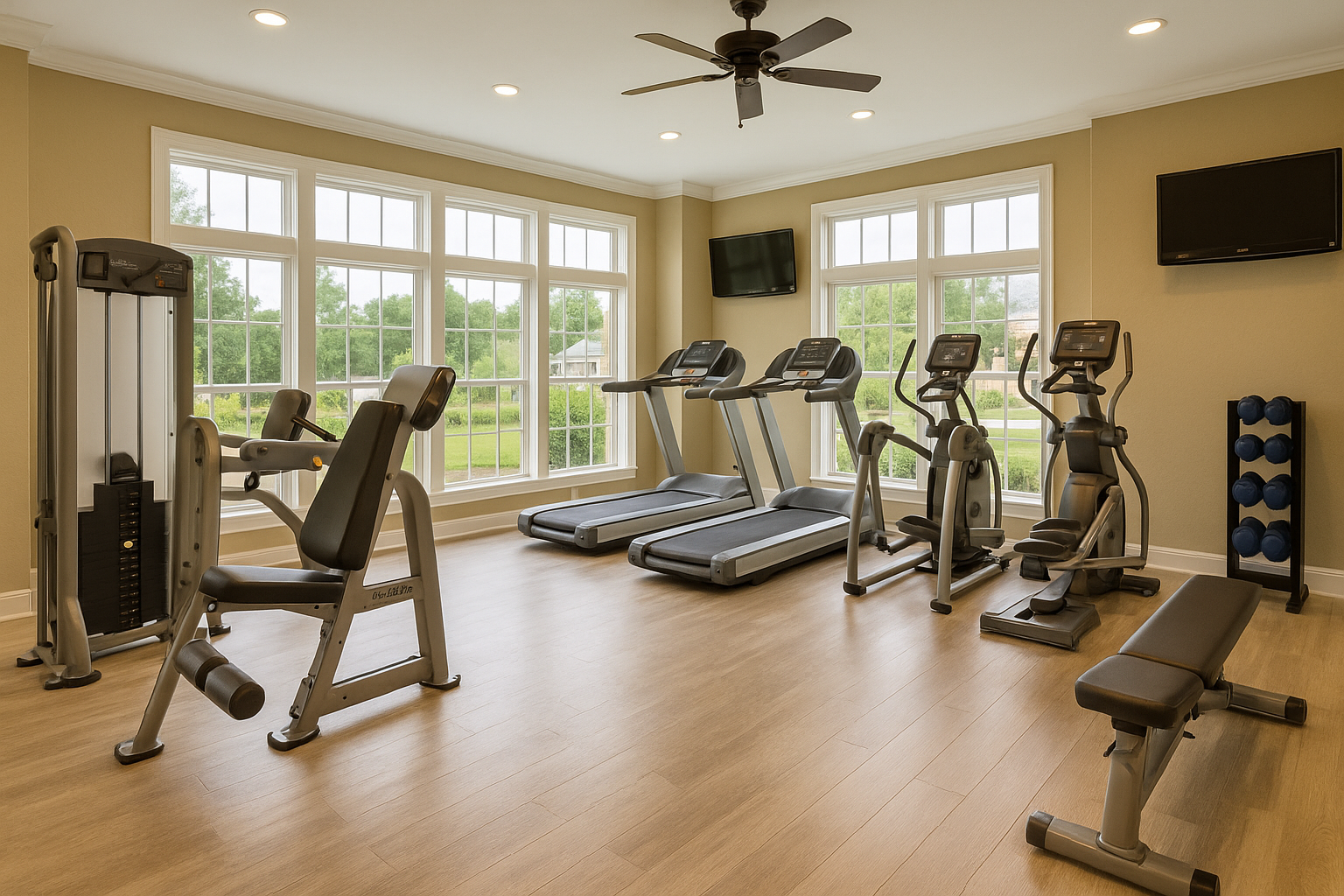
Fitness equipment is a high-value amenity that supports wellness and community engagement. For association managers, the goal is to balance functionality, safety, and resident satisfaction by ensuring that fitness spaces remain welcoming and reliable.

Why Fitness Equipment Matters

Accessible fitness facilities—whether indoor gyms or outdoor spaces—help residents stay healthy and foster social interactions. Studies indicate that proximity to amenities dramatically increases their usage, linking directly to improved satisfaction and community cohesion.

Key Management Considerations

Regular Maintenance & Safety Checks

Perform monthly inspections of equipment—checking for loose bolts, worn belts, or malfunctioning safety features. Lubricate moving parts and test emergency stop functions. A maintenance routine can cut lifespan costs by up to 30%.

2. Quality and Diversity of Equipment

Include a mix of high-impact and low-impact options like treadmills, stationary bikes, ellipticals, and resistance machines. Low-impact choices reduce injury risk and accommodate all fitness levels.

3. Clear Usage Guidelines

Post rules for operating hours, proper machine use, and cleaning protocols. Offer orientation sessions or instructional signage to help users avoid misuse and maintain hygiene.

4. Liability & Liability Coverage

Ensure the association’s insurance covers fitness facility risks. Consider requiring signed waivers for residents or posting usage disclaimers to minimize exposure.

5. Resident Feedback & Engagement

Encourage residents to report broken equipment and suggest new additions. Feedback channels enhance maintenance efficiency and ensure amenities evolve with community needs.

Best Practices & Community Value

  • Consider Equipment Rental: Renting allows flexible upgrades and includes maintenance, reducing upfront costs.

  • Use Management Tools: Track service logs, warranties, and repair histories using maintenance software to stay proactive.

  • Incorporate Inclusivity: A well-designed fitness area accommodates a range of residents, promoting wellness and connectivity.

Conclusion

Fitness amenities are key investments in a community’s well-being. With thoughtful planning—covering maintenance schedules, equipment options, safety measures, and resident engagement—associations can create vibrant, safe spaces that encourage regular physical activity and enhance overall quality of life.

Popular in the Community

ChatGPT Image Sep 18, 2025, 05_23_19 PM
Tree Services for Community Associations: Boosting Safety, Value, and Curb Appeal
Discover the importance of tree services in community associations. Learn how routine care enhances safety,...
Learn more
ChatGPT Image Sep 18, 2025, 05_08_14 PM
Pressure Washing and Community Associations: Boosting Curb Appeal and Property Value
Discover how routine pressure washing benefits community associations. Learn how this simple service...
Learn more
ChatGPT Image Sep 18, 2025, 04_58_09 PM
Home Health Care and Community Associations: Supporting Residents with Empathy and Awareness
Discover why community association managers should understand the rise of home health care. Learn how...
Learn more