Safe & Fun: Best Practices for Playground Management in Community Associations

Safe & Fun: Best Practices for Playground Management in Community Associations
Written by Heidi Hensell

October 10, 2025

Table of Contents

Share

Link copied to clipboard!

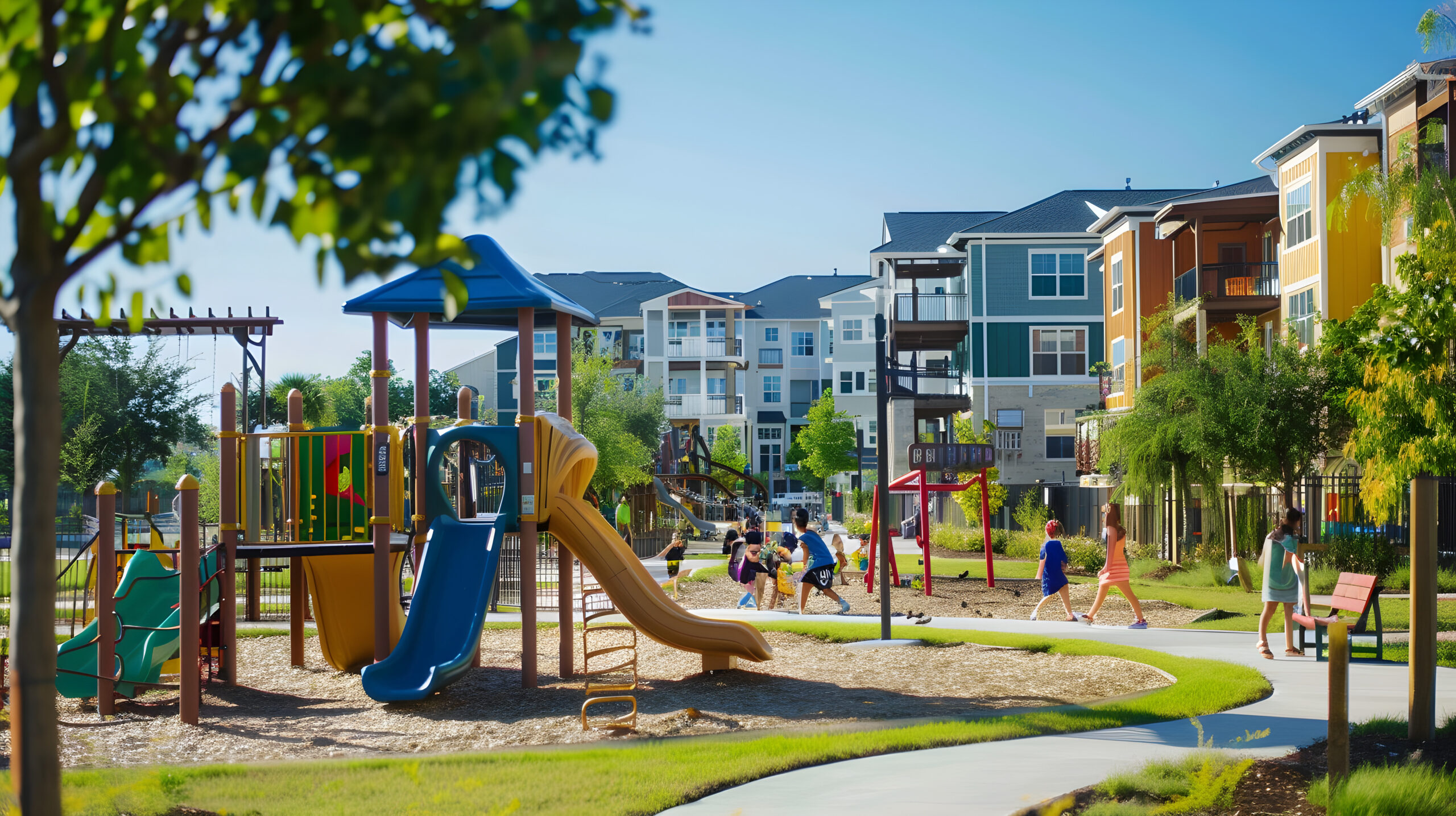
Playgrounds provide places where families can gather, play, and create memories—but only when they’re safe and well-kept. For community associations, managing playground equipment responsibly ensures both enjoyment and peace of mind for residents.

Why Playground Management Matters

Neglected playground equipment can lead to accidents, liability claims, and unhappy residents. In contrast, well-maintained play areas improve resident satisfaction and enhance the appeal of your community.

Key Responsibilities for Associations

  1. Regular Safety Inspections
    Schedule consistent safety checks to uncover loose bolts, wear and tear, broken components, or sharp edges that may cause injury. Early detection is essential for accident prevention.

  2. Compliance with Safety Standards
    Ensure equipment adheres to guidelines set by the Consumer Product Safety Commission (CPSC) and ASTM International—such as ASTM F1487 for layout and equipment safety, and F2373 for areas serving toddlers. Certified Playground Safety Inspectors (CPSIs) are trained to ensure compliance. 

  3. Playground Surface Maintenance
    Use impact-absorbing, ADA-accessible surfaces like poured rubber, rubber mulch, or engineered wood fiber. These materials meet ASTM F1292 standards for fall protection and accessibility.

  4. Regular Cleaning & Sanitation
    Especially in busy playgrounds, routine cleaning helps reduce health risks. Wipe down high-touch areas and remove debris to maintain hygiene.

  5. Clear Rules & Signage
    Post visible signs indicating appropriate age ranges, safety rules, and contact details for reporting maintenance issues. Clear communication supports both safety and compliance.

Safety & Joy Go Hand in Hand

Fall-related injuries are among the most common playground incidents—many occur due to inadequate surfacing or maintenance. By investing in safe equipment and surfaces, associations reduce injuries, protect liability, and foster a welcoming environment for families.

Conclusion

Playground equipment doesn’t just create fun—it reflects community care. With structured inspection routines, adherence to safety standards, proper surfacing, sanitation, and signage, associations can offer residents both joyful and secure play environments. When children play safely, the entire community benefits.

Popular in the Community

Noise complaint Annoyed woman blocking ears with pillows on a couch
Noise Compliance in Florida COAs and HOAs: What Residents Should Know
Learn how noise compliance works in Florida HOAs and COAs, including quiet hours, local ordinances, and...

Learn more
Friends socializing and enjoying a backyard BBQ, grilling food at a summer cookout
BBQ Pits and “Public” Bathrooms in COAs: Balancing Fun and Responsibility
BBQ pits and public bathrooms can enhance COA living. Learn how rules, maintenance, and shared responsibility...

Learn more
AdobeStock_1873297514 (1)
Before You Buy in Florida — Why You Should Read the Governing Documents First
Buying in a Florida HOA or COA? Learn why reviewing governing documents, fees, leasing rules, and restrictions...
Learn more