Carpet Remodels in Community Associations: Enhancing Comfort While Preserving Harmony

Carpet Remodels in Community Associations: Enhancing Comfort While Preserving Harmony
Written by Heidi Hensell

November 7, 2025

Table of Contents

Share

Link copied to clipboard!

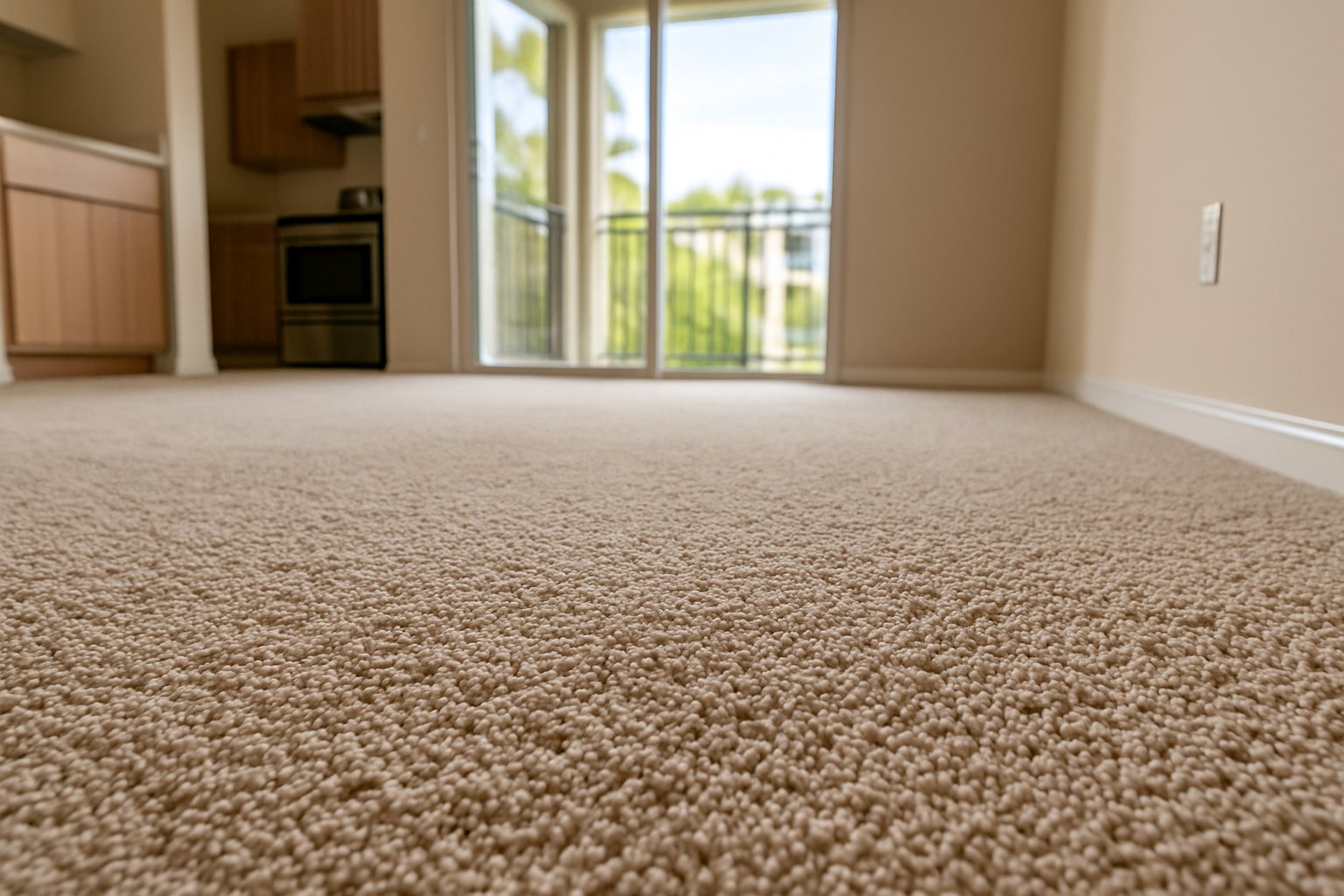
Carpet remodels are one of the most sought-after upgrades in condominium units—offering warmth, aesthetic appeal, and crucial noise mitigation. However, in multi-unit community associations, choosing new carpeting involves more than just personal preference. Balanced guidelines and oversight help preserve building harmony and occupant comfort.

Why Carpet Remodels Matter

In shared-building settings, carpet serves as an effective sound barrier, reducing footfall noise and maintaining acoustic privacy. Replacing it—even with like materials—can disrupt established Impact Insulation Class (IIC) and Sound Transmission Class (STC) standards, potentially affecting neighboring units. Maintaining noise mitigation is not just a courtesy—it’s often a technical requirement.

Key Considerations for Associations

  1. Soundproofing Requirements
    Many condos stipulate minimum IIC or STC ratings—commonly at or above 50—to preserve acoustic comfort. Carpet naturally meets this standard; homeowners opting for alternative flooring must use certified underlayment to maintain required sound resistance.
  2. Approval Process for Remodels
    Whether replicating existing carpet or installing alternatives, homeowners should submit proposals for review—especially if subfloor work is involved. This not only safeguards building standards but also prevents conflicts.
  3. Licensed Contractor Usage
    Requiring installations by insured professionals protects flooring integrity and common structure from hidden damage during the remodel process.
  4. Work Hours & Clean-Up Policies
    Limiting work to designated hours and specifying disposal procedures—for old carpet and debris—helps prevent building-wide disruptions and maintains shared amenities.
  5. Managing Common Area Carpeting
    When hallway or shared-space carpeting is involved, the association should coordinate installations to preserve uniform appearance and ensure durable, consistent materials.

Best Practices & Real-World Standards

A recommended floor assembly includes an IIC rating of 50–55, achievable with quality underlayment systems. Higher standards may apply in your jurisdiction, so confirm with local codes or governing documents before approving alternatives.

Conclusion

Carpet remodels offer an inviting combination of comfort, aesthetics, and improved sound control—but they also demand thoughtful oversight in multi-unit living. By establishing clear soundproofing expectations, streamlined approval procedures, and installer guidelines, community associations empower residents to enhance their homes while safeguarding the well-being and cohesion of the broader community.

Popular in the Community

ChatGPT Image Sep 18, 2025, 05_23_19 PM
Tree Services for Community Associations: Boosting Safety, Value, and Curb Appeal
Discover the importance of tree services in community associations. Learn how routine care enhances safety,...
Learn more
ChatGPT Image Sep 18, 2025, 05_08_14 PM
Pressure Washing and Community Associations: Boosting Curb Appeal and Property Value
Discover how routine pressure washing benefits community associations. Learn how this simple service...
Learn more
ChatGPT Image Sep 18, 2025, 04_58_09 PM
Home Health Care and Community Associations: Supporting Residents with Empathy and Awareness
Discover why community association managers should understand the rise of home health care. Learn how...
Learn more