CAMs & Vendors – A Partnership That Powers Communities

CAMs & Vendors – A Partnership That Powers Communities
Written by Heidi Hensell

September 30, 2025

Table of Contents

Share

Link copied to clipboard!

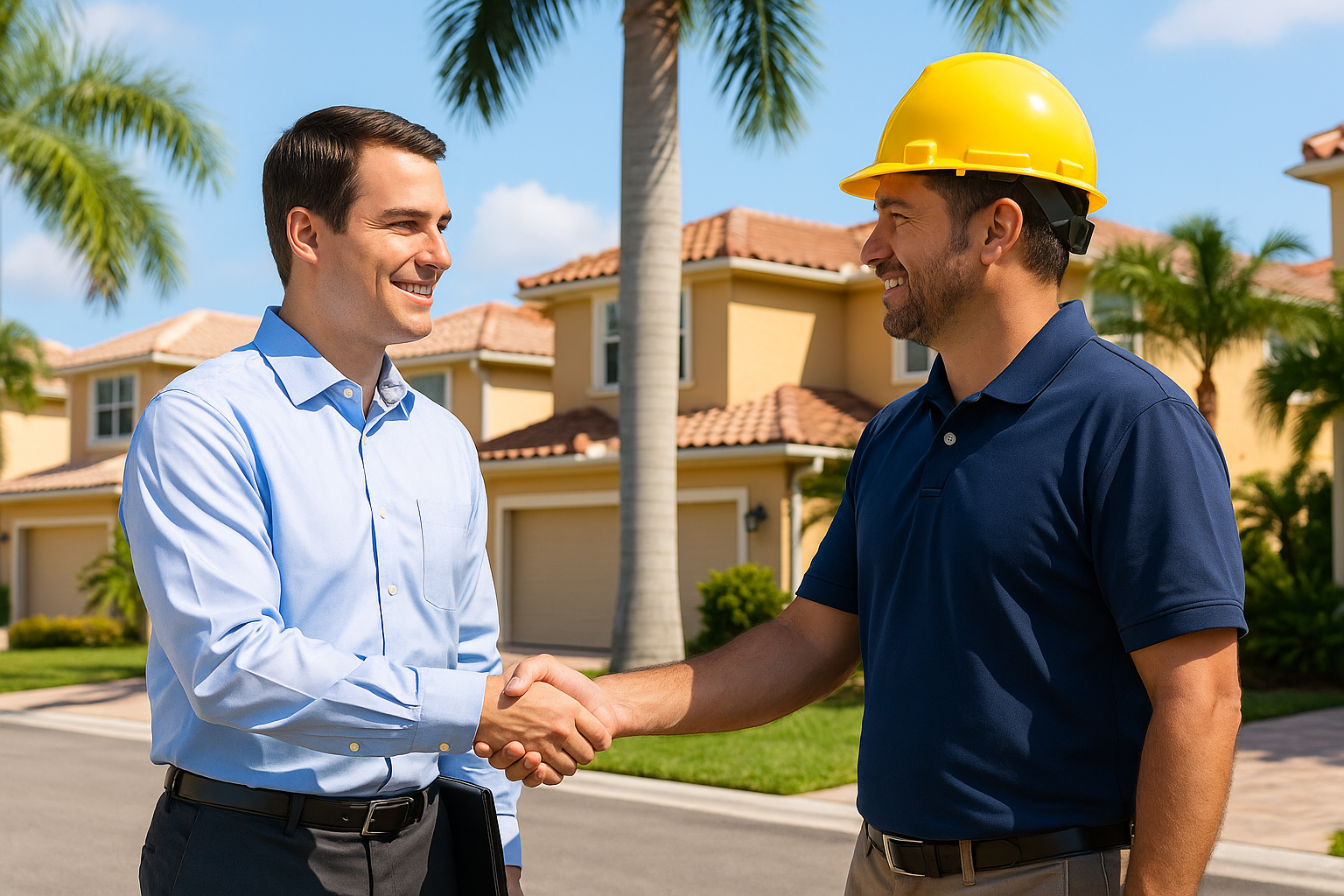
Behind every thriving community lies a strong alliance between Community Association Managers (CAMs) and vendors. Whether it’s landscaping, roofing, pool care, pest control, or general maintenance, vendors are the frontline professionals helping CAMs uphold safety, aesthetics, and compliance. But a successful CAM–vendor partnership isn’t by chance—it’s built on communication, trust, and collaboration.

Why This Relationship Matters

Being a CAM means balancing board expectations, resident satisfaction, budgets, and legal requirements. Vendors are indispensable allies in meeting these responsibilities efficiently and effectively.

Key Ingredients of a Strong CAM–Vendor Relationship

1. Clear Communication
From crafting precise work scopes to providing timely updates, clarity is critical. CAMs must outline expectations clearly, while vendors should commit to sharing detailed timelines, estimates, and progress reports—especially for high-stakes jobs like roofing or irrigation.

2. Accountability & Reliability
Dependable vendors—those who arrive on time, deliver quality service, and communicate professionally—become trusted partners. Equally, CAMs should respond promptly to messages, process invoices quickly, and ensure timely payment to maintain goodwill. This practice is essential in building trust and longevity.

3. Mutual Respect
CAMs and vendors often work under tight deadlines and pressure. Respecting each other’s schedules, expertise, and constraints fosters a positive, enduring partnership.

4. Transparency in Pricing & Contracts
Avoid confusion by agreeing on detailed contracts and open pricing discussions from the start. Clearly define service levels, emergency protocols, and billing terms up front to avoid misunderstandings or scope creep. These practices are commonly recommended in best-practice guides.

5. Team Mentality
See vendor partnerships as true teamwork. When challenges arise—as they inevitably do—working together collaboratively helps resolve issues efficiently and keeps the community content.

Choosing the Right Vendor

When it’s time to hire, look beyond the lowest bid. Seek experienced, licensed, and insured professionals with a history of working with HOAs or condo associations. Ask for references and reputation insights. A low price alone is often a false economy. Prioritize qualifications and reliability to protect long-term community interests

Final Thoughts

Vendors are more than contractors—they’re community partners. By fostering clear communication, accountability, respect, transparency, and teamwork, CAMs can build partnerships that elevate community living.

Popular in the Community

After+2-1b31b862-1920w
Garage Doors and Community Associations: Small Detail, Big Impact
Discover why garage doors matter in community association management. Learn how proactive maintenance...
Learn more
ChatGPT Image Sep 18, 2025, 05_23_19 PM
Tree Services for Community Associations: Boosting Safety, Value, and Curb Appeal
Discover the importance of tree services in community associations. Learn how routine care enhances safety,...
Learn more
ChatGPT Image Sep 18, 2025, 05_08_14 PM
Pressure Washing and Community Associations: Boosting Curb Appeal and Property Value
Discover how routine pressure washing benefits community associations. Learn how this simple service...
Learn more

Disaster Preparedness: Hurricane Season for Community Associations
Disaster Preparedness: Hurricane Season for Community Associations

Written by Heidi Hensell

August 11, 2025

Table of Contents

Share

Link copied to clipboard!


Hurricane season is a critical time for HOAs, condominiums, and community associations. Proactive planning can safeguard property, reduce liability, and save lives.

Why Preparedness Matters

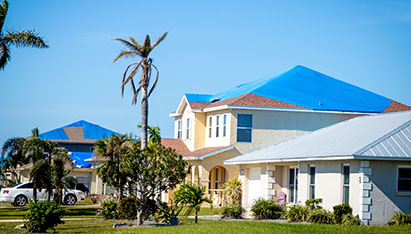
Every year, hurricanes pose serious threats to community associations—damaging property, disrupting lives, and draining financial reserves. The devastation of Hurricane Ian, the costliest storm in Florida’s history, proved how vital it is for communities to act early and effectively. Communities with strong plans in place rebound faster and protect both people and property.

Top 7 Steps to Get Your Community Hurricane-Ready

1. Form a Preparedness Committee

Designate a small team of board members, property managers, and vendor contacts to lead hurricane planning and response. Assign roles in advance—such as emergency coordinator, vendor liaison, and communications lead.

2. Create a Customized Emergency Plan

Tailor your hurricane response plan to the community’s layout and needs. Include:

  • Evacuation routes

  • Contact details for emergency services and vendors

  • Locations of shut-off valves and key utilities

  • Storage areas for storm supplies

Use emergency powers, if available in your state, to speed up decision-making during crises.

3. Secure the Property

Take inventory of outdoor items that could become airborne during a storm. Store or anchor:

  • Pool furniture

  • Signage

  • Decorations

  • Tools and maintenance gear

  • Trim overgrown trees and inspect common areas for hazards.

4. Communicate Clearly and Often

Establish a multi-channel communication plan using:

  • Emails

  • Text alerts

  • Community apps or portals

  • Social media

Keep residents informed before, during, and after storms.

5. Coordinate With Vendors

Schedule pre-storm inspections and set agreements with restoration companies, landscapers, and waste removal contractors to ensure you’re prioritized post-storm. Build strong relationships with local emergency services.

6. Check Your Insurance & Budget

Annually review your community’s insurance policies for hurricane coverage. Maintain updated inventories (with photos or video) of community assets. Ensure reserve funds are adequate for storm recovery needs.

7. Run Drills and Evaluate

Practice evacuation procedures and review lessons learned after each storm season. Update your emergency plan regularly based on feedback and evolving community needs.

Final Thoughts

Storms may be unpredictable—but preparation is within your control. A well-planned approach not only reduces damage but also strengthens community trust and cohesion. Start now, stay informed, and lead your community with confidence this hurricane season.

Popular in the Community

After+2-1b31b862-1920w
Garage Doors and Community Associations: Small Detail, Big Impact
Discover why garage doors matter in community association management. Learn how proactive maintenance...
Learn more
ChatGPT Image Sep 18, 2025, 05_23_19 PM
Tree Services for Community Associations: Boosting Safety, Value, and Curb Appeal
Discover the importance of tree services in community associations. Learn how routine care enhances safety,...
Learn more
ChatGPT Image Sep 18, 2025, 05_08_14 PM
Pressure Washing and Community Associations: Boosting Curb Appeal and Property Value
Discover how routine pressure washing benefits community associations. Learn how this simple service...
Learn more