Copyright © Kaloop 2025 All Right Reserved
Designing Spaces, Building Communities: The Role of Interior Design in Community Association Management

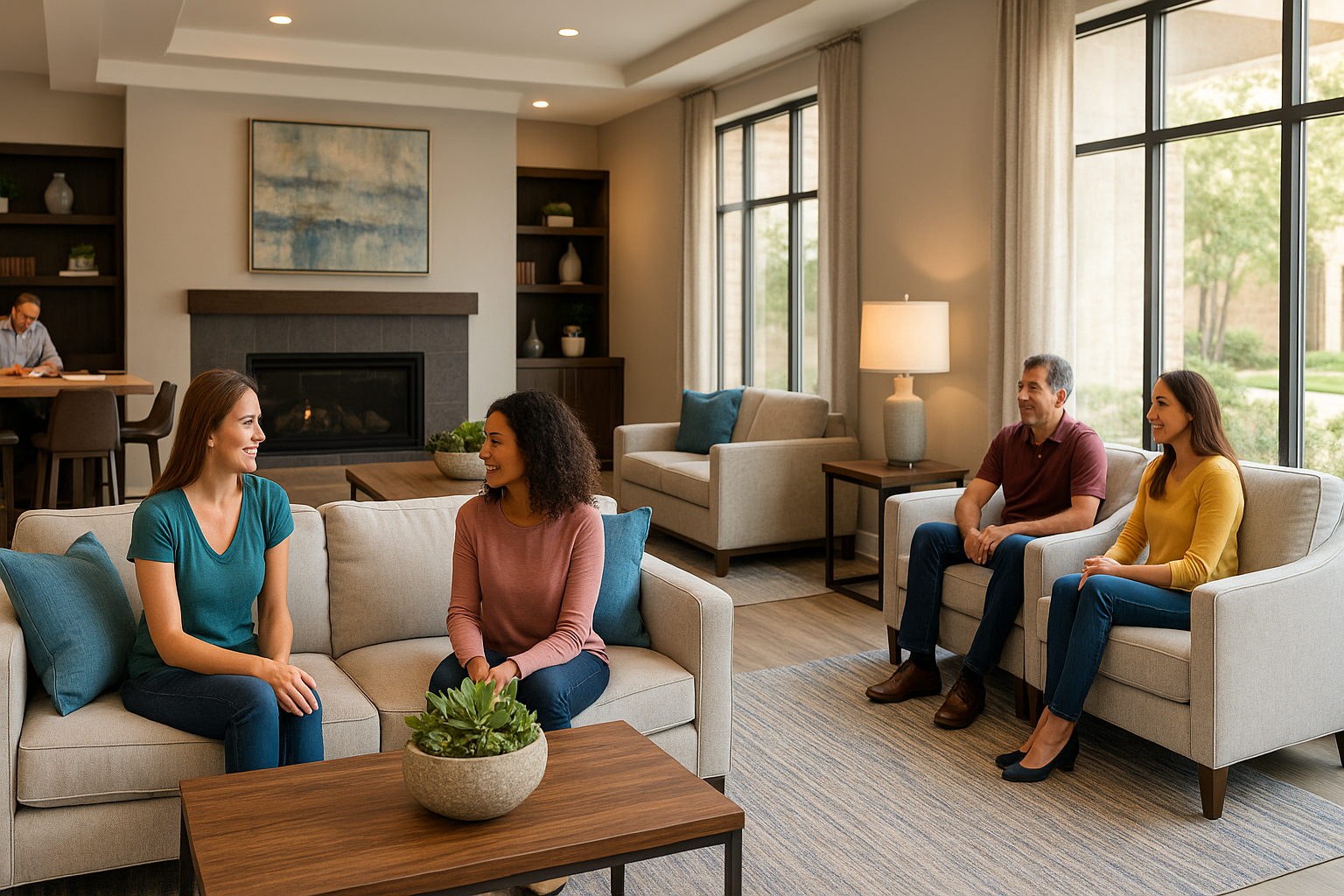
Table of Contents
- Introduction
- Interior Design as a Community Builder
- Why Associations Should Prioritize Design
- The Role of Managers and Boards
- Final Thought
In community association management, success is often measured by budgets, maintenance, and enforcement of rules. But another key factor often goes overlooked: interior design.
Thoughtful design in shared spaces—like clubhouses, lobbies, fitness centers, and meeting rooms—directly impacts resident satisfaction. It goes beyond appearances. Interior design shapes how people feel, interact, and engage with their community.
Interior Design as a Community Builder
A well-designed clubhouse encourages neighbors to connect and gather for events. A bright, welcoming lobby sets a tone of hospitality for residents and guests. Even practical updates—such as durable flooring, comfortable seating, or energy-efficient lighting—can improve usability while lowering long-term costs.
Good design isn’t just about style—it’s about creating spaces that foster connection, enhance safety, and promote community pride.
Why Associations Should Prioritize Design
Resident Engagement
Shared spaces designed with warmth and functionality in mind naturally attract more use, strengthening community bonds.
Property Value
Well-kept, appealing interiors enhance curb appeal and make communities more attractive to prospective buyers.
Cost Efficiency
Smart design choices, like LED lighting or durable finishes, reduce ongoing maintenance expenses.
Identity and Pride
Design aligned with resident demographics and community culture creates a sense of belonging and pride in shared ownership.
A Tool for Managers and Boards
Community association managers can leverage interior design as a strategic tool. By planning updates that meet resident needs while reflecting the community’s identity, they turn common areas into shared assets. Interior design is not only an investment in aesthetics—it’s an investment in livability and long-term community success.
Final Thought
A well-managed community isn’t just efficiently run—it’s thoughtfully designed. When managers and boards prioritize interior design in common areas, they elevate the resident experience, strengthen community spirit, and enhance property values.
Designing spaces means building communities, one welcoming environment at a time.