Managing RV Parking in Community Associations: Balancing Convenience and Compliance

Managing RV Parking in Community Associations: Balancing Convenience and Compliance
Written by Heidi Hensell

January 13, 2026

Table of Contents

Share

Link copied to clipboard!

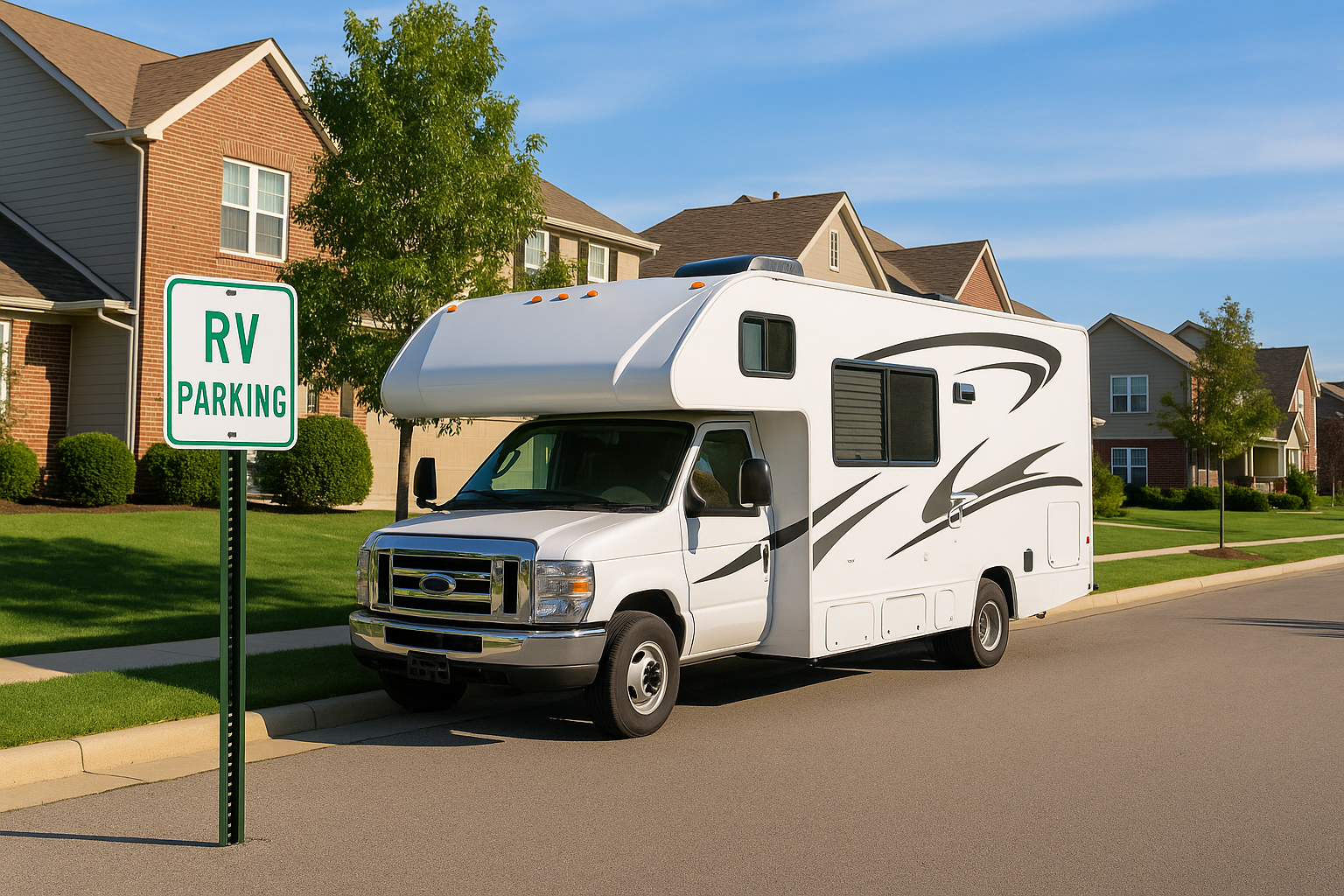
Recreational vehicles (RVs) give residents the freedom to travel and explore—but within community associations, RV parking can become a point of conflict if not properly managed. For HOAs and condo associations, the challenge lies in balancing the lifestyle needs of RV owners with aesthetic standards, safety concerns, and space limitations.

By implementing clear, consistent policies, associations can support resident needs while protecting the overall look and feel of the neighborhood.

Common Challenges with RV Parking

Space Constraints
RVs are large and can block driveways, sidewalks, or even street access. In tighter residential areas, this can create congestion and safety hazards.

Aesthetics
One of the top priorities for HOAs is maintaining curb appeal. Long-term RV parking often conflicts with community design standards outlined in governing documents.

Fairness
Without clear policies, residents may perceive favoritism or inconsistent enforcement, leading to frustration and disputes.

Best Practices for Managing RV Parking

1. Establish Clear Rules
Include RV parking guidelines in CC&Rs and association rules. Specify whether RVs are allowed in driveways, streets, or only in designated spaces—and for how long.

2. Designate RV Parking Zones
If space permits, consider creating specific areas for short-term RV parking. These can include time limits, registration requirements, and access control to prevent long-term storage.

3. Offer Temporary Permits
Reasonable accommodations—such as temporary permits for loading, unloading, or preparing for trips—help RV owners while maintaining community standards.

4. Ensure Consistent Enforcement
Rules should be applied fairly and consistently. Unequal enforcement can lead to complaints, loss of trust, or even legal issues.

5. Communicate Regularly
Keep residents informed of RV policies through newsletters, websites, or community meetings. Frequent reminders before peak travel seasons help avoid conflicts.

Building a Balanced Policy

A well-managed RV parking policy reflects a proactive, resident-focused HOA. By considering both convenience and compliance, associations can respect RV owners’ needs while preserving community aesthetics, safety, and functionality.

When done right, RV policies aren’t restrictive—they’re a way to create harmony, fairness, and a better living environment for everyone.

Popular in the Community

aGVp03fc4bHWi-Lo_APM-HOA-President-Duties-blog
How to Choose the Right HOA or Condo President for Strong Community Leadership
Learn how to choose the right HOA or condo association president to ensure strong leadership, financial...

Learn more
shutterstock_2356241977
Choosing the Right Bank for Your HOA or Condo Association: What Boards Need to Know
Learn how to choose the right bank for your HOA or condo association, including key features like reserve...

Learn more
ChatGPT Image Mar 19, 2026, 11_47_23 AM
Best Property Management Software for HOAs and Condos: How to Choose the Right Platform
Discover how to choose the best property management software for HOAs and condos, including platforms...
Learn more