Physical Property Management: The Backbone of a Well-Maintained Community

Physical Property Management: The Backbone of a Well-Maintained Community

Written by Heidi Hensell

January 6, 2026

Table of Contents

Share

Link copied to clipboard!

Behind every well-maintained neighborhood is a strong system of physical property management. For community associations, this essential function ensures that shared spaces, buildings, and infrastructure remain safe, functional, and visually appealing. When property management is done right, residents enjoy higher satisfaction, stronger property values, and peace of mind knowing their community is cared for.

What Is Physical Property Management?

Physical property management involves the day-to-day oversight, maintenance, and protection of a community’s physical assets. These assets can include:

  • Clubhouses and fitness centers
  • Swimming pools and recreational areas
  • Landscaping, green spaces, and common areas
  • Roads, sidewalks, and parking lots
  • Lighting, signage, and entry features

From routine maintenance to long-term capital planning, property management protects both the value and livability of the community.

Why Physical Property Management Matters for Community Associations

1. Preserves Property Value
Routine upkeep prevents deterioration and costly emergency repairs. A proactive approach helps maintain or even increase home values, which benefits every resident in the association.

2. Enhances Resident Satisfaction
Clean, well-kept amenities and common areas reflect pride in the community. When residents enjoy beautiful, functional surroundings, overall quality of life improves.

3. Ensures Safety & Compliance
Well-managed communities are safer communities. Physical property management ensures that hazards are addressed quickly and that facilities meet local codes and regulations, reducing liability risks for associations.

4. Supports Long-Term Planning
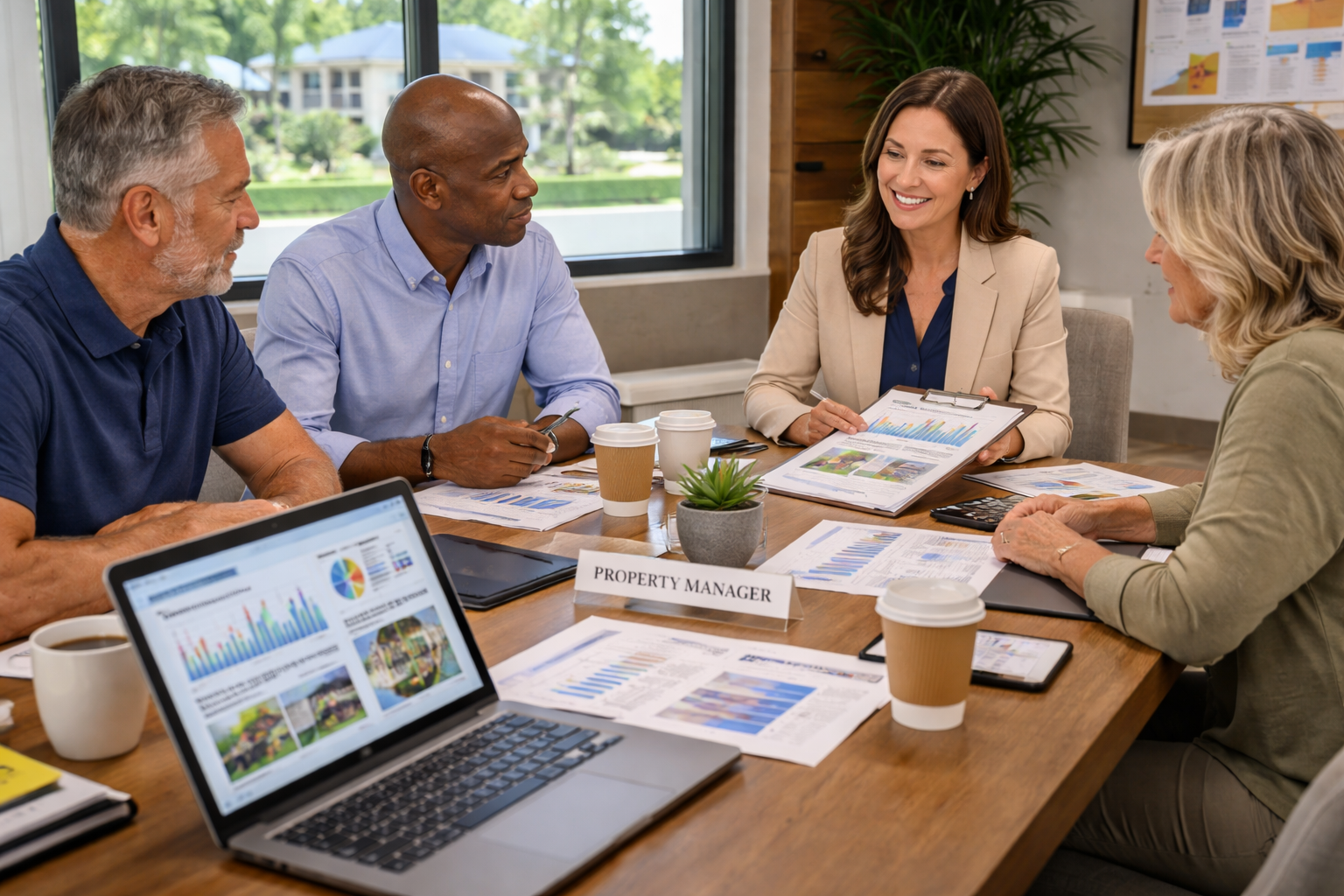
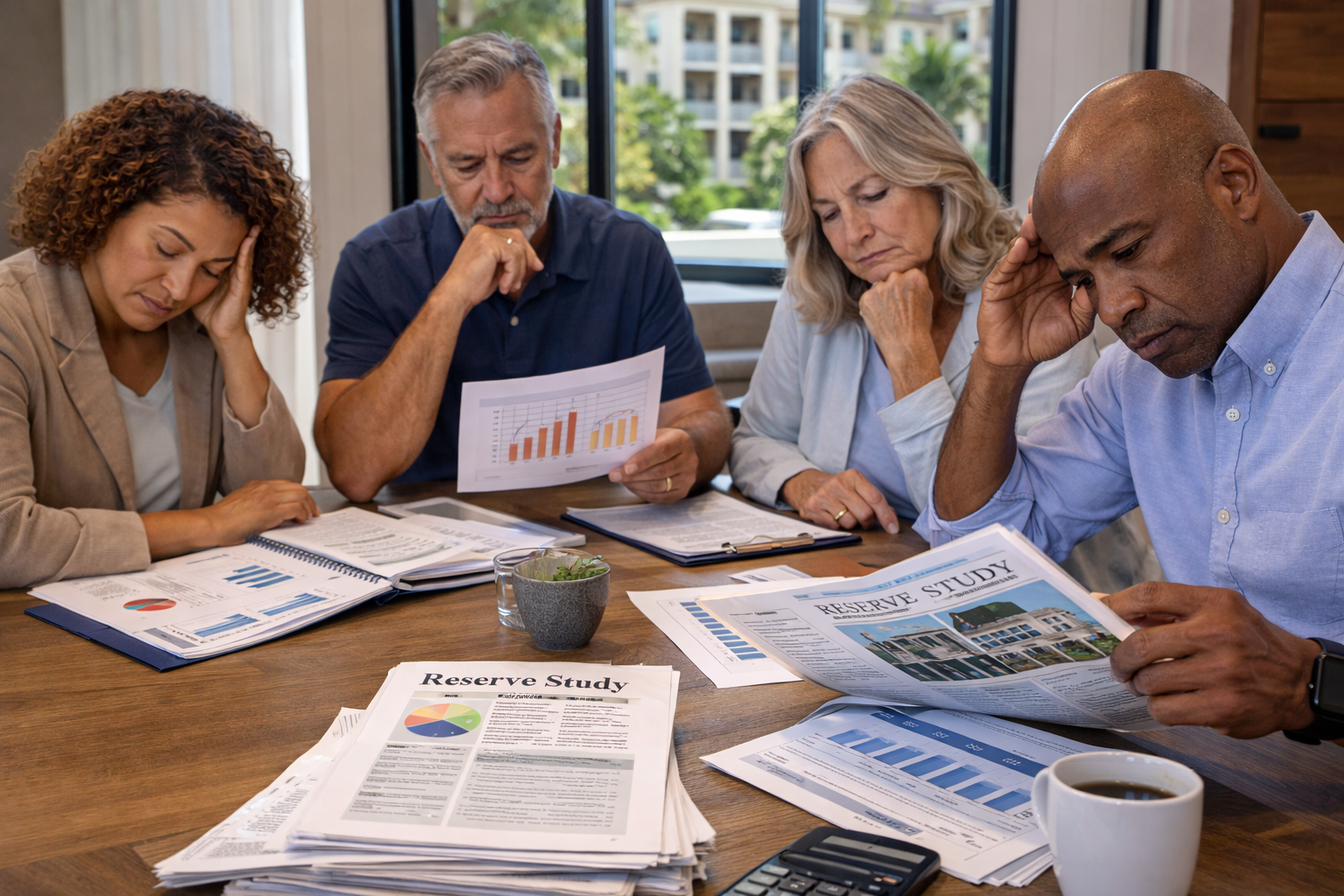
Property managers help boards create reserve studies and maintenance schedules that anticipate future needs. By planning ahead, associations avoid unexpected expenses and ensure financial stability.

A Partnership for Success

Strong physical property management is built on partnership and collaboration. Boards, residents, vendors, and professional management teams must work together to keep the community thriving. Clear communication, consistent oversight, and proper budgeting are all key components of success.

When this partnership functions smoothly, the result is a seamless living experience where residents feel cared for, safe, and proud to call the neighborhood home.

Final Thought

Physical property management may not always be visible, but it’s the backbone of a vibrant, well-maintained community. By investing in proper upkeep, long-term planning, and collaborative management, community associations create lasting value and satisfaction for residents today—and for generations to come.

Popular in the Community

After+2-1b31b862-1920w
Garage Doors and Community Associations: Small Detail, Big Impact
Discover why garage doors matter in community association management. Learn how proactive maintenance...
Learn more
ChatGPT Image Sep 18, 2025, 05_23_19 PM
Tree Services for Community Associations: Boosting Safety, Value, and Curb Appeal
Discover the importance of tree services in community associations. Learn how routine care enhances safety,...
Learn more
ChatGPT Image Sep 18, 2025, 05_08_14 PM
Pressure Washing and Community Associations: Boosting Curb Appeal and Property Value
Discover how routine pressure washing benefits community associations. Learn how this simple service...
Learn more

Plumbing in Community Associations: Ensuring Reliable, Safe Water Service for All
Plumbing in Community Associations: Ensuring Reliable, Safe Water Service for All

Written by Heidi Hensell

December 1, 2025

Table of Contents

Share

Link copied to clipboard!

While often out of sight, plumbing is a vital lifeline in community living—delivering water, supporting health, and enabling comfort. For community association managers, managing plumbing systems proactively protects infrastructure, prevents disruptions, and reinforces resident satisfaction.

Why Plumbing Matters

Reliable plumbing enables daily life—from basic water access to emergency repairs. Untreated issues like leaks, clogged drains, or pressure fluctuations can cascade into systemic problems, affecting multiple units or shared spaces. Effective plumbing oversight helps prevent costly damage and upholds the community’s reputation.

Key Considerations for Community Managers

1. Regular Inspections & Preventative Maintenance

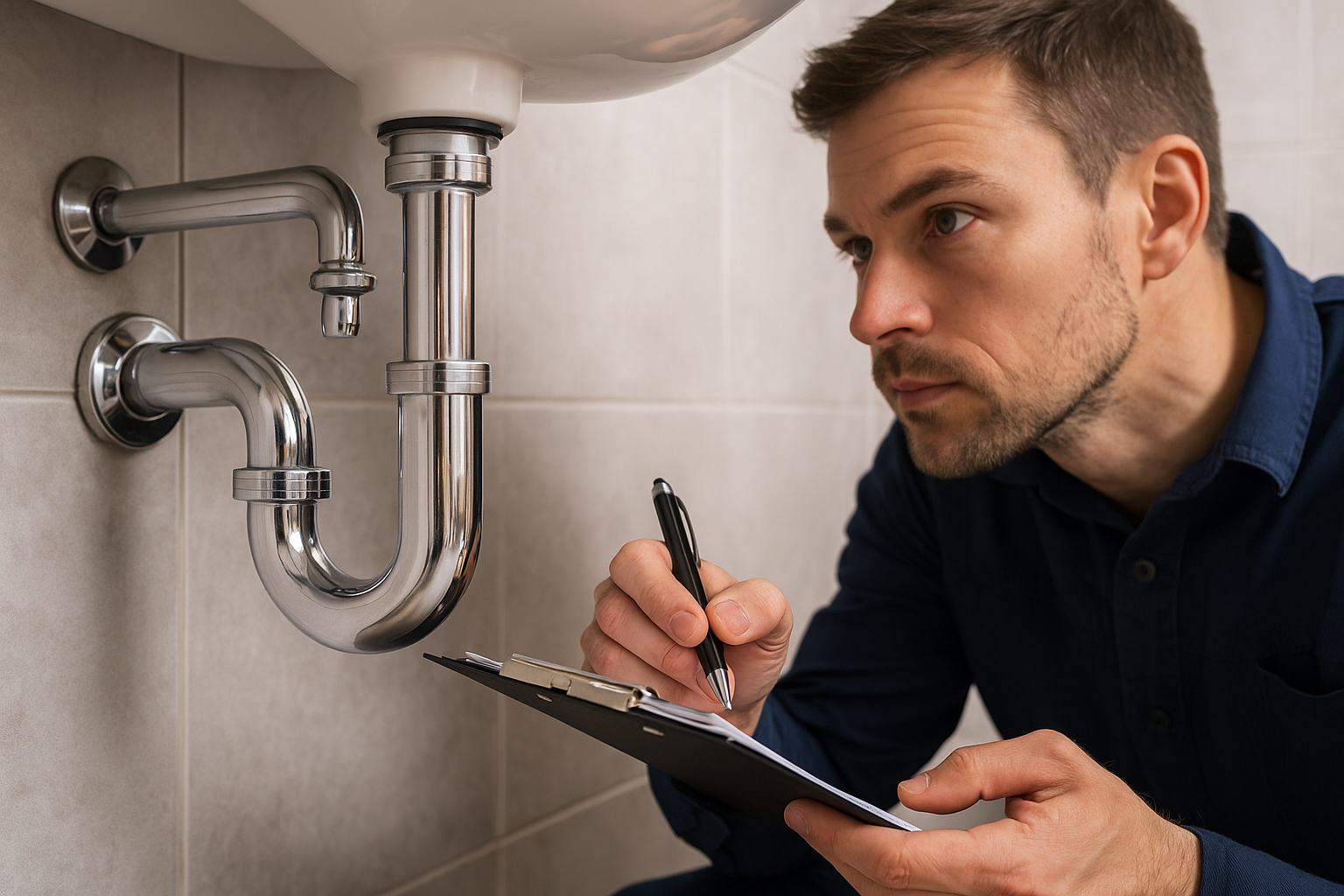
Schedule professional inspections of common systems—pipes, valves, heaters, and fixtures—to catch emerging issues early. Preventative maintenance has been shown to reduce emergency plumbing costs by 40–60%, safeguarding association budgets.

2. Clear Responsibility Guidelines

Clearly define who handles what. Typically, HOAs manage shared plumbing systems—like main water and sewer lines—while homeowners handle internal plumbing. These distinctions, included in governing documents, reduce confusion and enforcement challenges.

3. Emergency Preparedness

Establish a relationship with a trusted plumbing contractor able to respond swiftly to emergencies—such as burst pipes or sewer backups—to minimize property damage and inconvenience. Rapid response is critical in combatting widespread damage.

4. Promote Water Conservation

Encourage installation of water-saving fixtures, like low-flow toilets and faucets, to lower utility costs and support eco-friendly community goals.

5. Educate Residents

Empower residents with clear guidelines—advising against flushing inappropriate items and instructing them on early signs of plumbing issues. Preventing misuse is just as crucial as maintenance.

Enhanced Insights & Practices

  • Strategic Plumbing Partnerships: Establishing contracts with reliable plumbing firms protects against emergencies and reduces long-term costs. Reactive repairs can cost 2–3 times more than scheduled service.

  • Efficient Inspections: In condominiums, inspectors hired by HOAs can audit individual units for leaks and inefficiencies—helping homeowners address issues before they become system-wide hazards.

Conclusion

Plumbing doesn’t typically receive attention—until things go wrong. By adopting regular maintenance, clarifying ownership responsibilities, planning for emergencies, and engaging residents in water stewardship, associations can prevent disruptions, protect their infrastructure, and cultivate trustworthy, well-functioning communities.

Popular in the Community

After+2-1b31b862-1920w
Garage Doors and Community Associations: Small Detail, Big Impact
Discover why garage doors matter in community association management. Learn how proactive maintenance...
Learn more
ChatGPT Image Sep 18, 2025, 05_23_19 PM
Tree Services for Community Associations: Boosting Safety, Value, and Curb Appeal
Discover the importance of tree services in community associations. Learn how routine care enhances safety,...
Learn more
ChatGPT Image Sep 18, 2025, 05_08_14 PM
Pressure Washing and Community Associations: Boosting Curb Appeal and Property Value
Discover how routine pressure washing benefits community associations. Learn how this simple service...
Learn more