Strength in Numbers – The Role of Neighborhood Safety Watches in Community Associations

Strength in Numbers – The Role of Neighborhood Safety Watches in Community Associations
Written by Heidi Hensell

September 25, 2025

Table of Contents

Share

Link copied to clipboard!

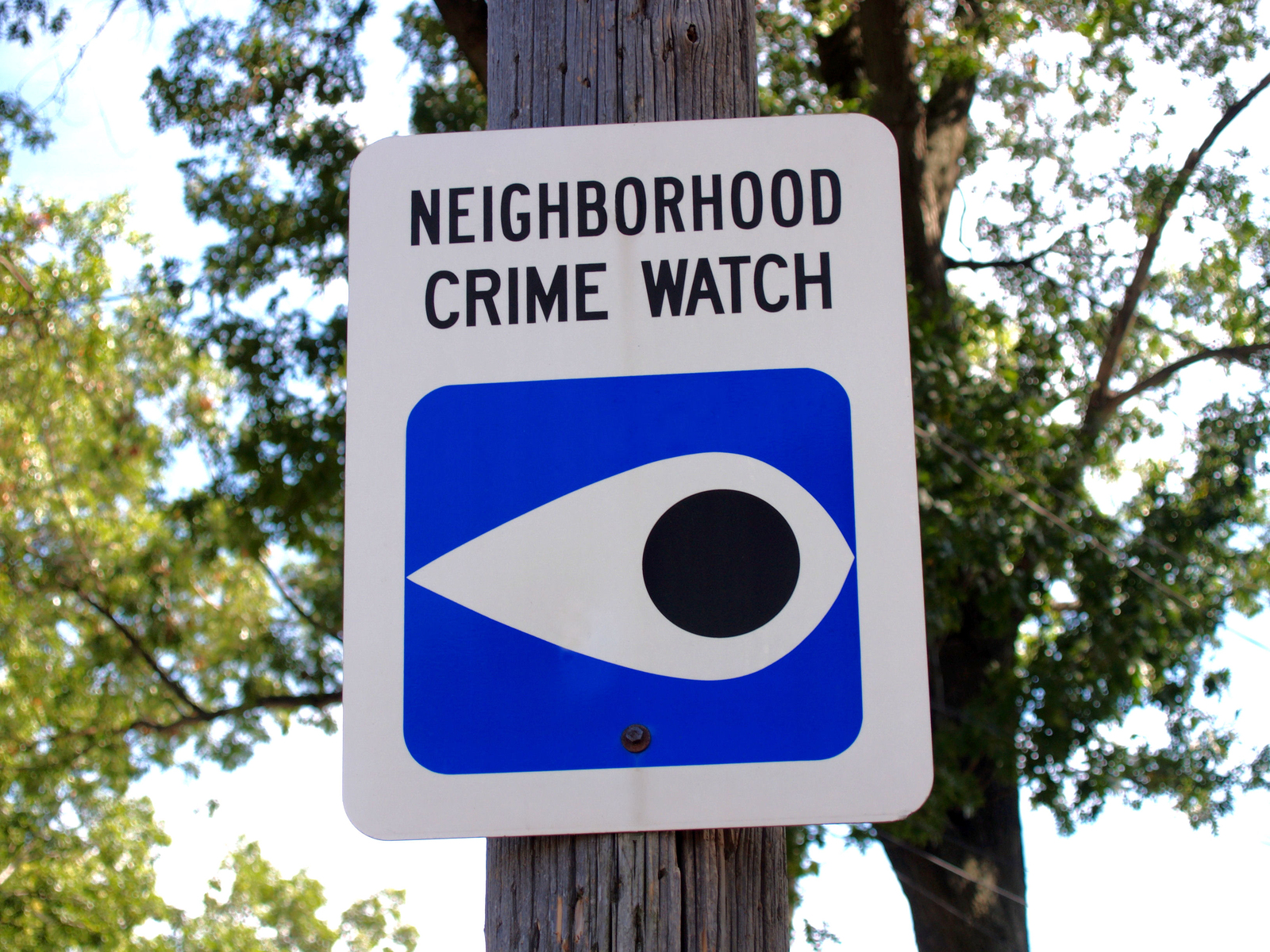
A safe neighborhood isn’t built on guards, gates, or cameras alone—it’s nurtured by residents who care. For Community Association Managers (CAMs), organizing a Neighborhood Safety Watch (or Neighborhood Watch) program offers a powerful, cost-effective strategy to foster security, engagement, and collaboration.

What Is a Neighborhood Watch Program?

Neighborhood Watch programs are volunteer-driven, resident-led initiatives that partner with local law enforcement and community associations. The goal: observe, report, and deter suspicious activity—not to police—but to empower neighborhoods through vigilance and proactive partnership.

Why Neighborhood Watch Programs Matter

1. Crime Deterrence & Community Awareness
Studies show Neighborhood Watch schemes can reduce crime by 16–26%, particularly when paired with home security surveys and property-marking initiatives. While some reviews have been mixed, the prevailing consensus supports their positive impact on safety.

2. Strengthening Resident Connections
These programs bring neighbors together, fostering trust and cooperation—building a sense of collective efficacy where communities take ownership of their safety.

3. Faster Emergency Response & Preparedness
When residents communicate effectively—via group chats, meetings, or coordinated block captains—they can act quickly during emergencies or service disruptions.

4. Improved Communication with Authorities
Neighborhood Watches offer a direct channel to law enforcement and CAMs, helping everyone stay informed, aligned, and proactive.

Tips for Starting a Successful Watch Program

  • Kick off with a community meeting: Invite residents, board members, and police to brainstorm ideas and set goals.

  • Appoint Block Captains: These individuals act as communication leaders within their specific neighborhood zones.

  • Leverage Technology: Tools like email chains, WhatsApp groups, or apps like Nextdoor can streamline alerts and updates.

  • Focus on Positivity: Emphasize community wellness over fear; share success stories to motivate participation.

  • Celebrate Milestones: Recognize improvements like fewer incidents, better lighting, or increased engagement to keep morale high.

Final Thoughts

Neighborhood Watch programs prove that true community safety is grounded in unity, awareness, and shared responsibility. When supported by CAMs and bolstered by resident involvement, these initiatives cultivate a resilient culture where safety is both a measure and a mindset.

Popular in the Community

ChatGPT Image Sep 18, 2025, 05_08_14 PM
Pressure Washing and Community Associations: Boosting Curb Appeal and Property Value
Discover how routine pressure washing benefits community associations. Learn how this simple service...
Learn more
ChatGPT Image Sep 18, 2025, 04_58_09 PM
Home Health Care and Community Associations: Supporting Residents with Empathy and Awareness
Discover why community association managers should understand the rise of home health care. Learn how...
Learn more
ChatGPT Image Sep 18, 2025, 04_41_06 PM
Designing Spaces, Building Communities: The Role of Interior Design in Community Association Management
Discover how interior design impacts community association management. Learn how thoughtful design in...
Learn more