Copyright © Kaloop 2025 All Right Reserved
Marina Maintenance Guide for Florida Community Associations

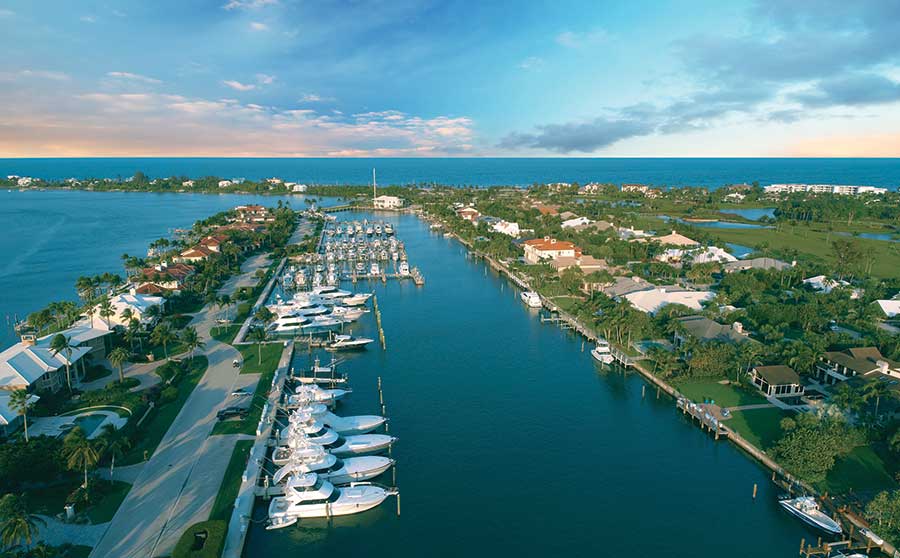
Table of Contents
- Introduction
- 1. Clear Association Structure & Governance
- 2. Safety, Security & Accessibility
- 3. Environmental Stewardship & Regulatory Compliance
- 4. Maintenance & Reserve Planning
- 5. Resident Use & Policy Frameworks
- 6. Insurance, Liability & Risk Management
- 7. Professional Management & Industry Engagement
- Conclusion
Managing a marina within a waterfront community association goes far beyond boat storage—these facilities significantly enhance resident enjoyment, property values, and community cohesion. Effective marina management, however, involves a delicate balance of amenities, safety, legal compliance, and environmental stewardship.
1. Clear Association Structure & Governance
Marina associations typically operate under governance structures similar to other community associations, with oversight by an elected board of directors. It’s crucial to determine whether slips are held as deeded units or through membership certificates, as this distinction affects governance, taxation, and legal obligations. Non-condominium marinas must manage property taxes on docks and common areas, whereas condominium-style slip ownership involves shared ownership of common spaces.
2. Safety, Security & Accessibility
Ensuring well-maintained docks, adequate lighting, and secure access points is vital for resident safety and asset protection. Many Florida marinas implement gated entries, on-site dockmasters, and surveillance systems for added peace of mind.
3. Environmental Stewardship & Regulatory Compliance
Florida’s Clean Marina programs set high environmental standards, encouraging marinas to go above regulatory requirements with practices such as proper fuel handling, waste disposal, pump-out facilities, and stormwater control. Engaging in these voluntary programs not only helps protect fragile coastal ecosystems but also enhances community reputation. Best practices include staff training on pollution prevention, waste management, posting policies visibly, and maintaining spill response plans.
4. Maintenance & Reserve Planning
Implementing a regular inspection and maintenance schedule for docks, pilings, lighting, and boat lifts is important to extend asset life and avoid costly repairs. Conducting long-term reserve studies helps ensure the association can fund future capital expenditures responsibly.
5. Resident Use & Policy Frameworks
Clear guidelines on slip assignments, guest usage, and fee structures contribute to fair and transparent operations. Tailoring these policies to address specifics—like transient use and owner responsibilities—makes marina usage more equitable and predictable for all residents.
6. Insurance, Liability & Risk Management
Marinas carry unique liability exposures—ranging from property damage to personal injury. Securing comprehensive insurance coverage via marina-specific policies and implementing risk protocols is essential to protect the association and its residents.
7. Professional Management & Industry Engagement
Enlisting experienced association or marina management professionals can help boards navigate complex tasks—from tax considerations and legal compliance to insurance and infrastructure planning. Membership in bodies such as the Marina Recreation Association (MRA) offers invaluable industry resources, training opportunities, and networking.
Conclusion
Marinas can be standout amenities within waterfront communities when managed proactively. By prioritizing governance clarity, safety, environmental responsibility, maintenance, policy infrastructure, and expert guidance, boards can turn these waterfront assets into thriving, sustainable, and highly valued components of their community.