Copyright © Kaloop 2025 All Right Reserved
Bathroom Remodels in Community Associations: Balancing Upgrades with Oversight

Bathroom Remodels in Community Associations: Balancing Upgrades with Oversight”
Written by Heidi Hensell
November 3, 2025
Table of Contents
- Introduction
- Why Bathroom Remodels Matter in Community Settings
- Key Management Considerations
- Legal & Community Governance Context
- Best Practices for Boards & Managers
- Conclusion
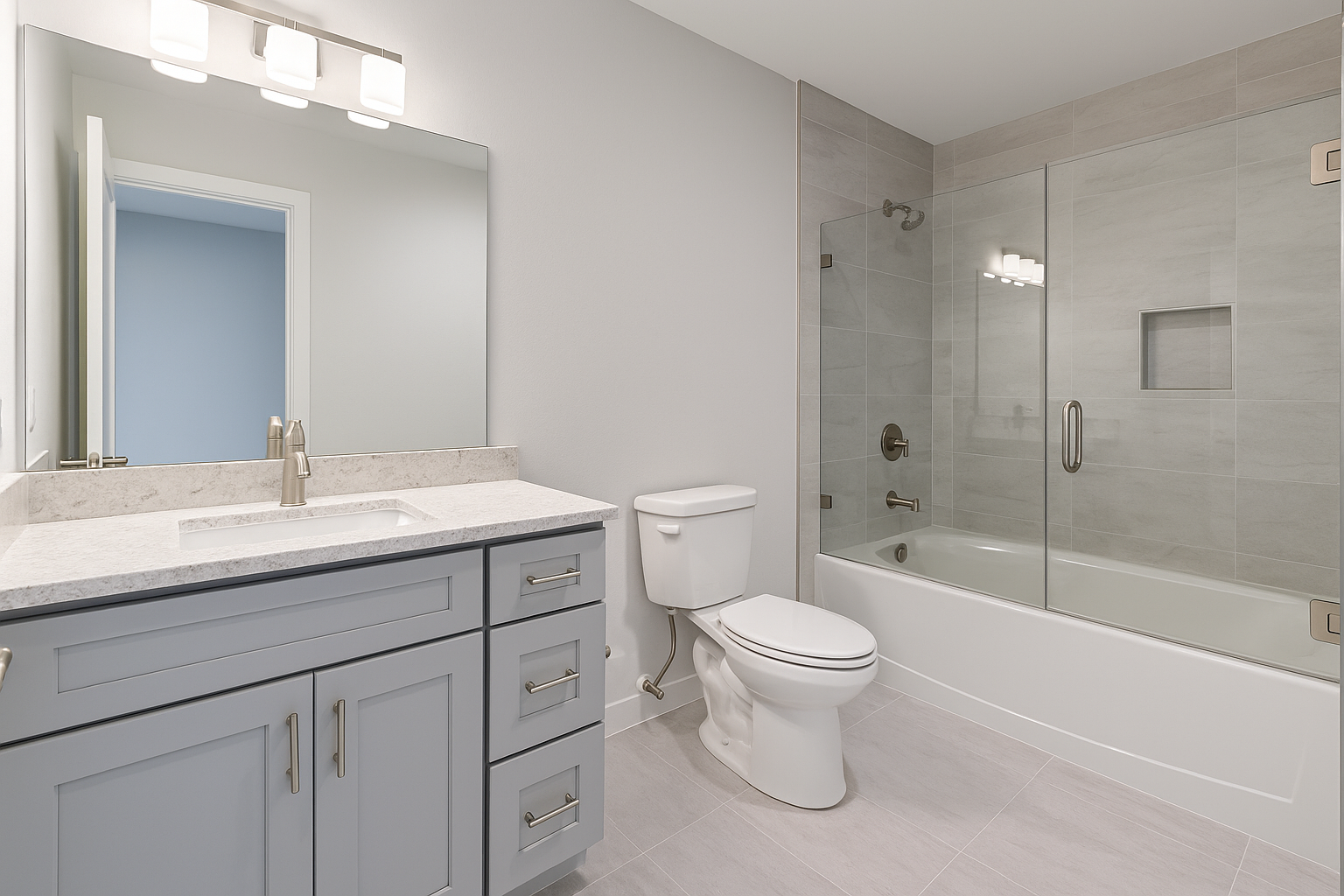
Bathroom remodels are popular interior upgrades for homeowners—but within community associations, even private renovations can ripple beyond individual units. Managing these carefully ensures safety, compliance, and harmony in multi-unit living environments.
Why Bathroom Remodels Matter in Community Settings
Even though remodels happen inside individual units, they often involve plumbing, waterproofing, structural modifications, and noise—all of which can significantly impact neighboring units or shared building systems. Even minor mistakes can lead to water damage, conflicts, or code violations, emphasizing the importance of oversight.
Key Management Considerations
Formal Approval Process
Associations should require residents to submit remodel plans—especially for changes involving plumbing or structural elements. This ensures compliance with community governance and helps avoid liability and costly rework.Licensed Contractor Requirement
Mandating licensed and insured professionals protects both homeowners and the association from damage or negligence. Proper credentials reduce risk and ensure quality workmanship.Waterproofing and Plumbing Protocols
Effective waterproofing and proper plumbing are essential. Associations should require documentation of inspections or certifications to prevent leaks that could compromise other units or common areas.Work Hours & Noise Guidelines
Remodeling can be disruptive. Enforcing reasonable work hours—such as weekdays during business hours—minimizes disturbance to neighbors.Permit and Code Compliance
Associations must insist that unit owners obtain all necessary municipal permits before starting the remodel. Reliance on verbal assurance isn’t enough—compliance protects both parties from penalties and ensures safety standards are met.
Legal & Community Governance Context
Condominium governing documents (e.g., CC&Rs, bylaws, rules and regulations) outline rules around interior renovations—especially those affecting common elements like plumbing or structural components. Both homeowner and municipal approval are essential for compliance.
Best Practices for Boards & Managers
Provide an Official Remodel Packet: Include submission forms, licensing requirements, FAQs about permitted materials, and relevant local codes.
Maintain Clear Guidelines: Specify permissible modifications and reference the association’s approval checklist.
Create a Transparent Review Timeline: Ensure timely feedback so homeowners can plan accordingly.
Require Final Inspections: Upon project completion, verify permits are closed and confirm work meets community standards.
Conclusion
Bathroom remodels can enhance comfort and property values—but must be managed thoughtfully within shared-living environments. By establishing clear processes (from approvals to permits and contractor guidelines), associations strike the right balance between endorsing homeowner upgrades and preserving community integrity. With the proper policies in place, renovating can be rewarding—and risk-free—for all parties involved.