Smoke-Free Communities: A Healthier Direction for Community Associations

Written by Heidi Hensell

January 9, 2026

Table of Contents

Share

Link copied to clipboard!

As public awareness of health and environmental issues continues to grow, many community associations are taking proactive steps to promote wellness and livability. One of the most impactful initiatives is adopting smoke-free policies for common areas—or in some cases, for entire communities.

Designating a neighborhood or shared spaces as smoke-free not only protects residents from secondhand smoke, but also enhances property appeal, safety, and long-term value.

Why Go Smoke-Free?

  1. Health & Safety
    Restricting smoking in common areas like clubhouses, pool decks, playgrounds, and walking paths helps protect all residents, especially children, seniors, and those with asthma or respiratory conditions. A smoke-free environment supports healthier living for the entire community.
  2. Fire Prevention
    Smoking remains one of the leading causes of residential fires. By adopting smoke-free policies, associations can reduce fire risks, improve overall community safety, and even lower insurance premiums.
  3. Property Value & Appeal
    Today’s homebuyers and renters increasingly prefer smoke-free environments. Communities with clear policies are more attractive to prospective residents who prioritize health-conscious and environmentally responsible lifestyles. This can make an HOA or condo association stand out in a competitive housing market.
  4. Maintenance Savings
    Smoke can leave behind stains, odors, and long-term damage to property. Shared spaces like fitness centers, meeting rooms, and clubhouses often require extra cleaning when smoking is allowed. Reducing or eliminating smoking helps lower maintenance and repair costs for associations.

How Associations Can Implement Smoke-Free Policies

Engage Residents Early
Community buy-in is critical. Boards should survey residents, host informational meetings, and explain the benefits of smoke-free policies before adopting new rules.

Clear Communication
Define where smoking is restricted and where it may still be permitted, such as private balconies or designated outdoor areas. Transparency avoids confusion and fosters cooperation.

Signage & Enforcement
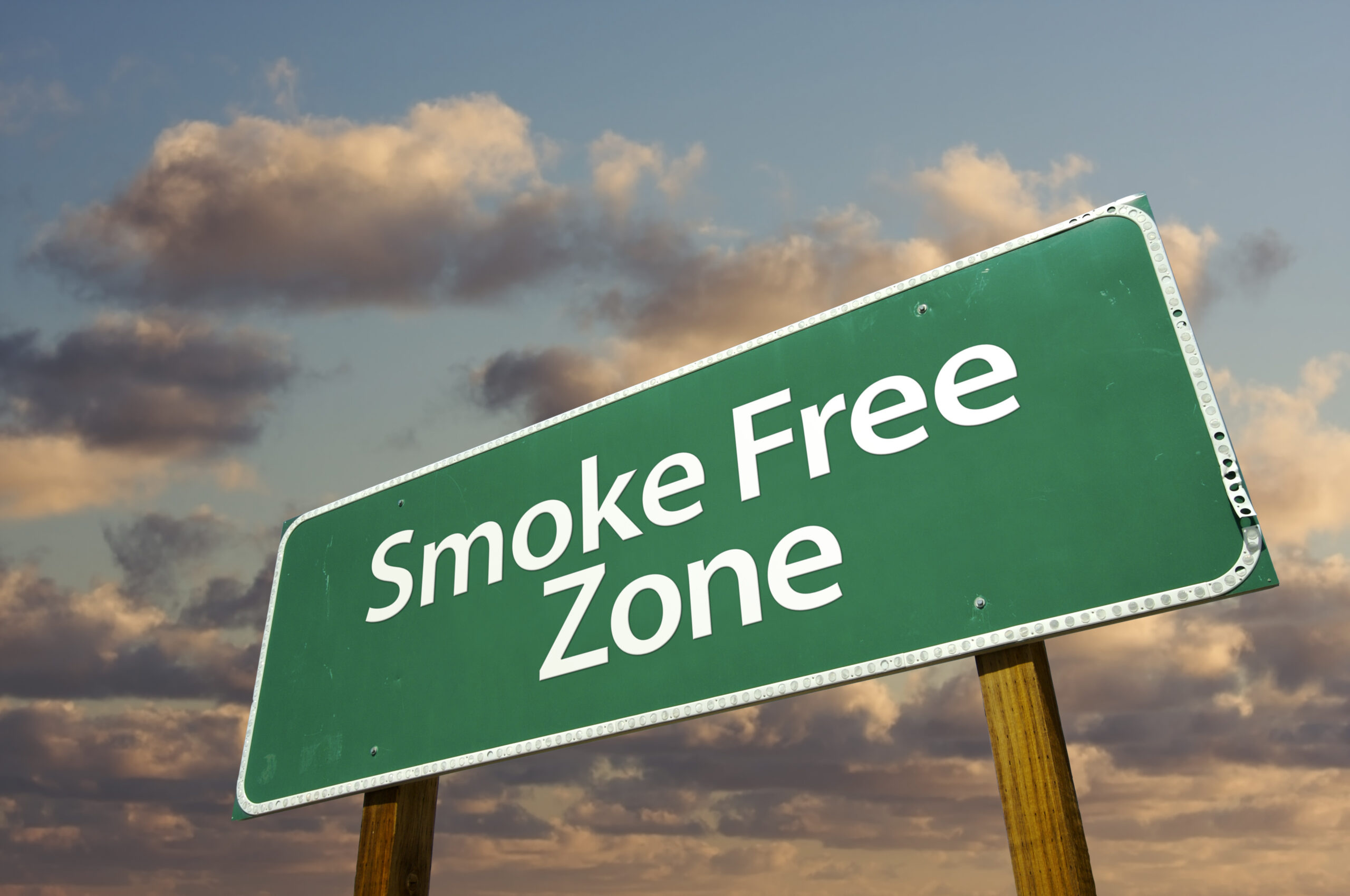
Proper signage throughout the community reinforces the policy. Rules should be incorporated into governing documents or association regulations, with clear enforcement procedures in place.

Support for Residents
Consider offering resources or information about smoking cessation programs. Demonstrating support—not just restrictions—builds goodwill and promotes healthier living choices.

Supporting a Healthier Lifestyle

Smoke-free policies are more than regulations—they are a commitment to creating a cleaner, healthier, and more welcoming environment for everyone. By adopting thoughtful guidelines, community associations can set a standard for wellness and safety while enhancing property values and reducing risks.

With planning, education, and clear communication, communities can move confidently toward a healthier, smoke-free future.

Popular in the Community

IMG_6362
BBQ Pits and “Public” Bathrooms in COAs: Balancing Fun and Responsibility
Ensure your Florida condominium or co‑op stays compliant: learn when milestone inspections are due, what...
Learn more
IMG_6362
Before You Buy in Florida — Why You Should Read the Governing Documents First
Ensure your Florida condominium or co‑op stays compliant: learn when milestone inspections are due, what...
Learn more
IMG_6362
Condo Insurance vs. Homeowners Insurance in Florida Communities: What COA and HOA Residents Should Know
Ensure your Florida condominium or co‑op stays compliant: learn when milestone inspections are due, what...
Learn more