Plumbing in Community Associations: Ensuring Reliable, Safe Water Service for All

Written by Heidi Hensell

December 1, 2025

Table of Contents

Share

Link copied to clipboard!

While often out of sight, plumbing is a vital lifeline in community living—delivering water, supporting health, and enabling comfort. For community association managers, managing plumbing systems proactively protects infrastructure, prevents disruptions, and reinforces resident satisfaction.

Why Plumbing Matters

Reliable plumbing enables daily life—from basic water access to emergency repairs. Untreated issues like leaks, clogged drains, or pressure fluctuations can cascade into systemic problems, affecting multiple units or shared spaces. Effective plumbing oversight helps prevent costly damage and upholds the community’s reputation.

Key Considerations for Community Managers

1. Regular Inspections & Preventative Maintenance

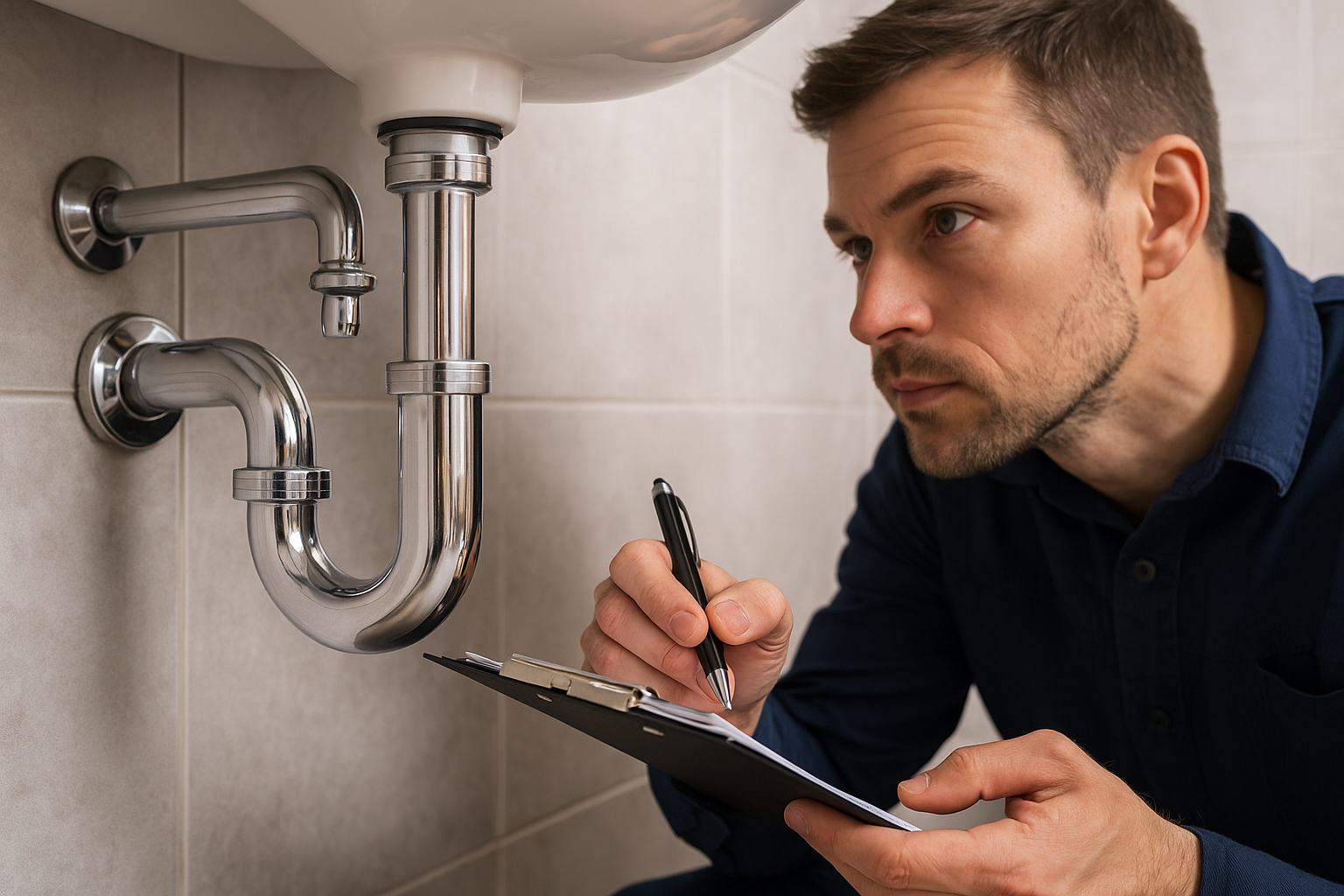
Schedule professional inspections of common systems—pipes, valves, heaters, and fixtures—to catch emerging issues early. Preventative maintenance has been shown to reduce emergency plumbing costs by 40–60%, safeguarding association budgets.

2. Clear Responsibility Guidelines

Clearly define who handles what. Typically, HOAs manage shared plumbing systems—like main water and sewer lines—while homeowners handle internal plumbing. These distinctions, included in governing documents, reduce confusion and enforcement challenges.

3. Emergency Preparedness

Establish a relationship with a trusted plumbing contractor able to respond swiftly to emergencies—such as burst pipes or sewer backups—to minimize property damage and inconvenience. Rapid response is critical in combatting widespread damage.

4. Promote Water Conservation

Encourage installation of water-saving fixtures, like low-flow toilets and faucets, to lower utility costs and support eco-friendly community goals.

5. Educate Residents

Empower residents with clear guidelines—advising against flushing inappropriate items and instructing them on early signs of plumbing issues. Preventing misuse is just as crucial as maintenance.

Enhanced Insights & Practices

  • Strategic Plumbing Partnerships: Establishing contracts with reliable plumbing firms protects against emergencies and reduces long-term costs. Reactive repairs can cost 2–3 times more than scheduled service.

  • Efficient Inspections: In condominiums, inspectors hired by HOAs can audit individual units for leaks and inefficiencies—helping homeowners address issues before they become system-wide hazards.

Conclusion

Plumbing doesn’t typically receive attention—until things go wrong. By adopting regular maintenance, clarifying ownership responsibilities, planning for emergencies, and engaging residents in water stewardship, associations can prevent disruptions, protect their infrastructure, and cultivate trustworthy, well-functioning communities.

Popular in the Community

IMG_6362
BBQ Pits and “Public” Bathrooms in COAs: Balancing Fun and Responsibility
Ensure your Florida condominium or co‑op stays compliant: learn when milestone inspections are due, what...
Learn more
IMG_6362
Before You Buy in Florida — Why You Should Read the Governing Documents First
Ensure your Florida condominium or co‑op stays compliant: learn when milestone inspections are due, what...
Learn more
IMG_6362
Condo Insurance vs. Homeowners Insurance in Florida Communities: What COA and HOA Residents Should Know
Ensure your Florida condominium or co‑op stays compliant: learn when milestone inspections are due, what...
Learn more