Milestone Inspections: A Must‑Know for Florida Community Associations

Written by Heidi Hensell

December 15, 2025

Table of Contents

Share

Link copied to clipboard!

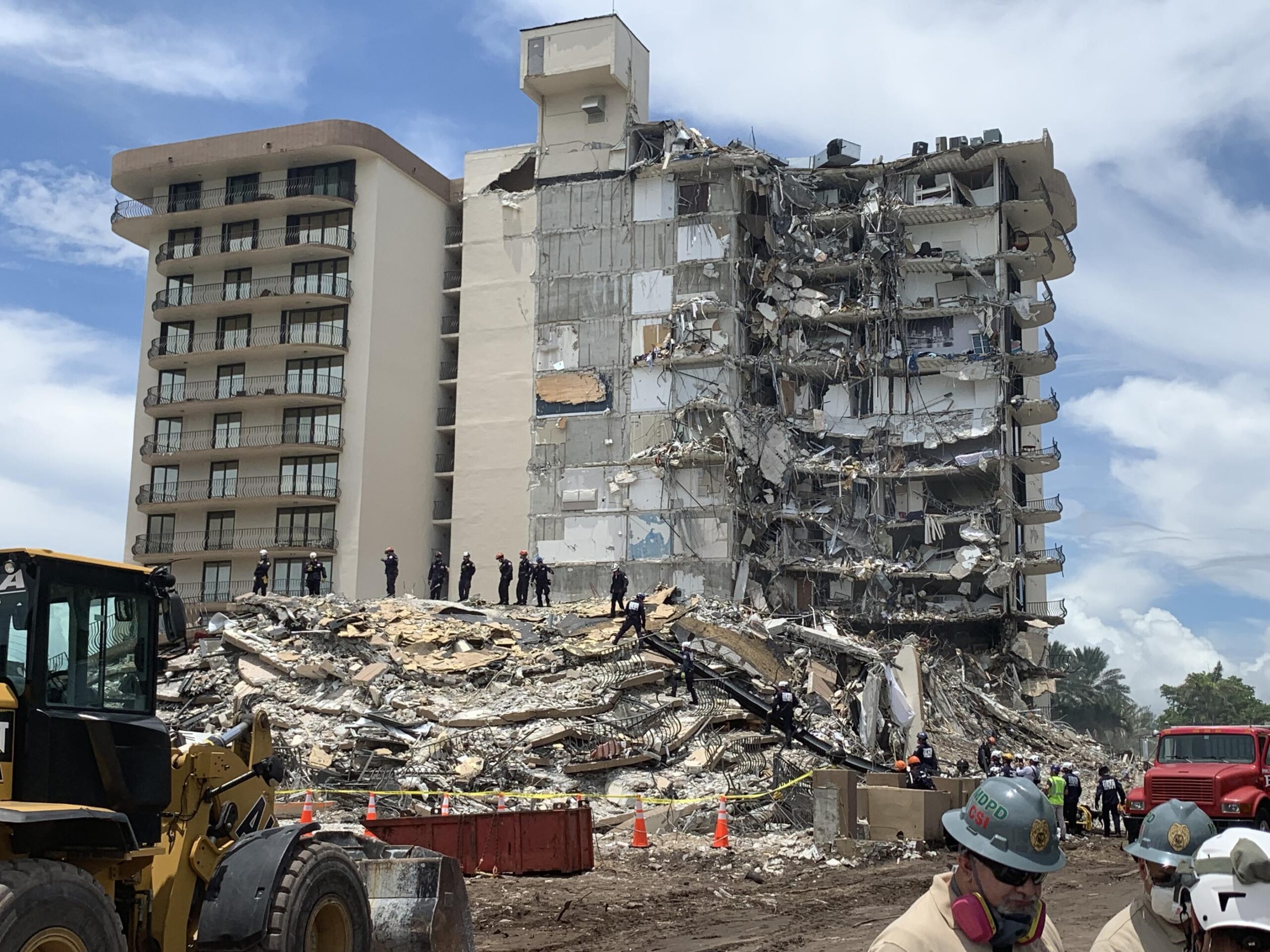
Florida’s 2022 Building Safety reforms, enacted after the tragic Surfside condominium collapse, included milestone inspections for condos and cooperative buildings. For community associations, these inspections aren’t optional—they are legal obligations that safeguard both residents and property values.

What Are Milestone Inspections & When Are They Required

A milestone inspection is a structural evaluation conducted by a licensed architect or engineer to assess load‑bearing systems and overall building integrity. Florida law (Chapter 553.899, SB 4‑D) mandates that all condominium or cooperative association buildings three or more stories tall must undergo milestone inspections under the following schedule: 

  • 30 years after the building’s Certificate of Occupancy (CO), or

  • 25 years if the building is within 3 miles of a coastline.

  • Then, inspections every 10 years thereafter.

What the Inspection Process Involves

Milestone inspections consist of two phases: 

  • Phase One: A visual examination of both habitable and non‑habitable areas, major structural and load‑bearing elements. If no “substantial structural deterioration” is found, Phase Two is not required.

  • Phase Two: Triggered only if Phase One identifies signs of deterioration. It can involve more detailed, possibly destructive or non‑destructive testing to precisely assess damage and recommend repairs.

Association Responsibilities & Compliance

Community associations have several legal duties under the statute:

  • Scheduling and funding the inspection. The association is financially responsible for the milestone inspection for common elements.

  • Notification: The local enforcement agency sends notice to the association when an inspection is required. The association must notify all unit owners within 14 days

  • Report filing: Phase One inspections must be completed within 180 days after notice is received. Reports must be sealed by a licensed architect or engineer. If Phase Two is needed, a progress report is required. 

  • Remediation: If substantial structural deterioration is found, repairs must be addressed. Failure to comply with inspection or repair requirements can result in fines, legal exposure, or dwelling being declared unsafe.

Why It Matters

  • Safety first: Preventing another structural failure like Surfside means protecting lives.

  • Financial health: Buildings allowed to deteriorate may face huge repair bills, insurance issues, or loss in property value.

  • Legal & regulatory compliance: Noncompliance can lead to enforcement actions by local building departments or state agencies.

  • Transparency & trust: Keeping residents informed builds confidence, and clear processes help avoid surprises in assessments or repairs.

Final Thoughts

Milestone inspections are more than a regulatory checkbox—they are essential tools for preserving safety, structural integrity, and value in Florida’s aging condominium and cooperative housing stock. Associations should plan proactively: track inspection deadlines, budget for repairs, engage trusted professionals, and communicate clearly with homeowners.

Popular in the Community

IMG_6362
BBQ Pits and “Public” Bathrooms in COAs: Balancing Fun and Responsibility
Ensure your Florida condominium or co‑op stays compliant: learn when milestone inspections are due, what...
Learn more
IMG_6362
Before You Buy in Florida — Why You Should Read the Governing Documents First
Ensure your Florida condominium or co‑op stays compliant: learn when milestone inspections are due, what...
Learn more
IMG_6362
Condo Insurance vs. Homeowners Insurance in Florida Communities: What COA and HOA Residents Should Know
Ensure your Florida condominium or co‑op stays compliant: learn when milestone inspections are due, what...
Learn more