Copyright © Kaloop 2025 All Right Reserved

Written by Heidi Hensell
December 23, 2025
Insulation is a vital part of any building—it regulates indoor temperatures, reduces energy bills, and adds to comfort. But if your home or community buildings were built before the 1980s, there’s something you need to be aware of: asbestos. Once commonly used for insulation, asbestos is now known to pose severe health risks. For homeowners, HOAs, COAs, and community managers, understanding the difference between safe insulation and asbestos-containing materials is essential.
Asbestos is a naturally occurring mineral that was widely used in insulation and construction materials until the late 1970s. It’s heat-resistant, durable, and once praised for its insulating properties. However, when asbestos fibers become airborne and inhaled, they can cause serious illnesses—including mesothelioma, lung cancer, and asbestosis. Today, asbestos use is heavily restricted, and any material containing it must be handled with extreme care.
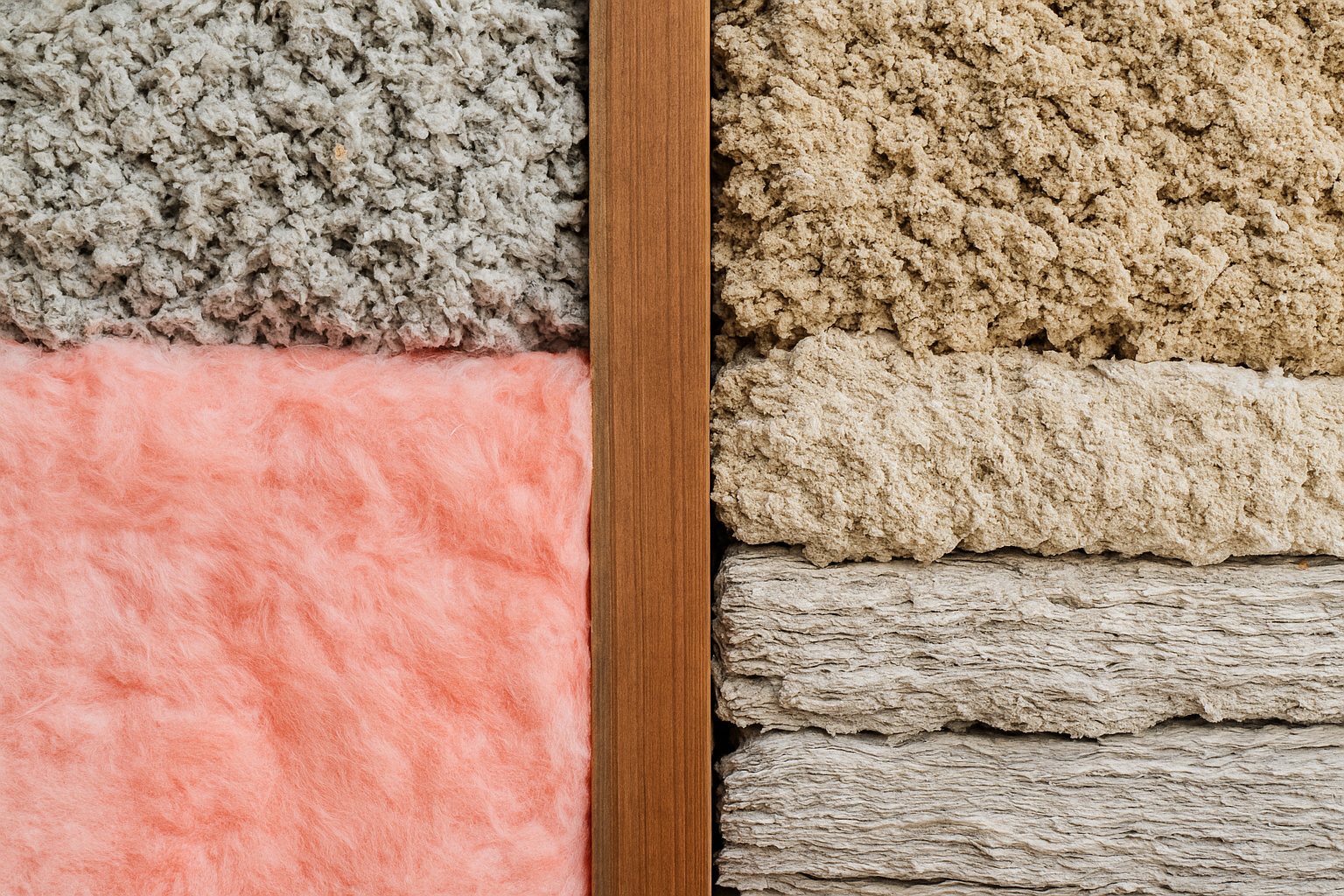
Fortunately, today’s insulation options are not only safe—they’re more effective. Materials like fiberglass, cellulose, mineral wool, and spray foam provide excellent thermal performance and noise reduction without the health risks of asbestos. Many of these are also environmentally friendly and help lower heating and cooling costs.
If your property was built before 1980, there’s a chance it could contain asbestos in insulation or other building materials like popcorn ceilings, old floor tiles, or pipe wrap. Unfortunately, asbestos fibers are microscopic—you can’t identify them by sight. The only reliable way to confirm the presence of asbestos is through professional testing. DIY kits are available, but EPA recommends hiring certified asbestos inspectors for accurate results and safe handling.
If asbestos is found, do not disturb it. In many cases, it’s safer to encapsulate the material rather than remove it. Disturbing asbestos without proper precautions can release fibers into the air. Only licensed asbestos abatement professionals should manage the removal or sealing of asbestos-containing materials. They follow strict safety protocols including containment, air monitoring, and disposal to protect all parties involved.
If you’re planning a renovation or insulation upgrade, modern materials offer a safe and energy-efficient path forward. Fiberglass and mineral wool are popular choices, and spray foam can add air sealing benefits. Always confirm whether older materials need testing before removal. Making these upgrades not only improves comfort—it also increases property value.
Associations are legally obligated to provide safe living conditions. Failing to properly inspect, report, or remediate asbestos risks can result in fines or lawsuits. Documenting inspections and updates, and working with EPA-certified professionals, ensures compliance and minimizes liability.
Insulation is essential, but it must be safe. For homeowners and associations, knowing the risks of asbestos and the benefits of modern insulation is key. With professional testing, informed upgrades, and proper handling, you can protect residents, meet legal obligations, and maintain your community’s value—safely and responsibly.