Copyright © Kaloop 2025 All Right Reserved
Written by Chris Abbott
March 19, 2026
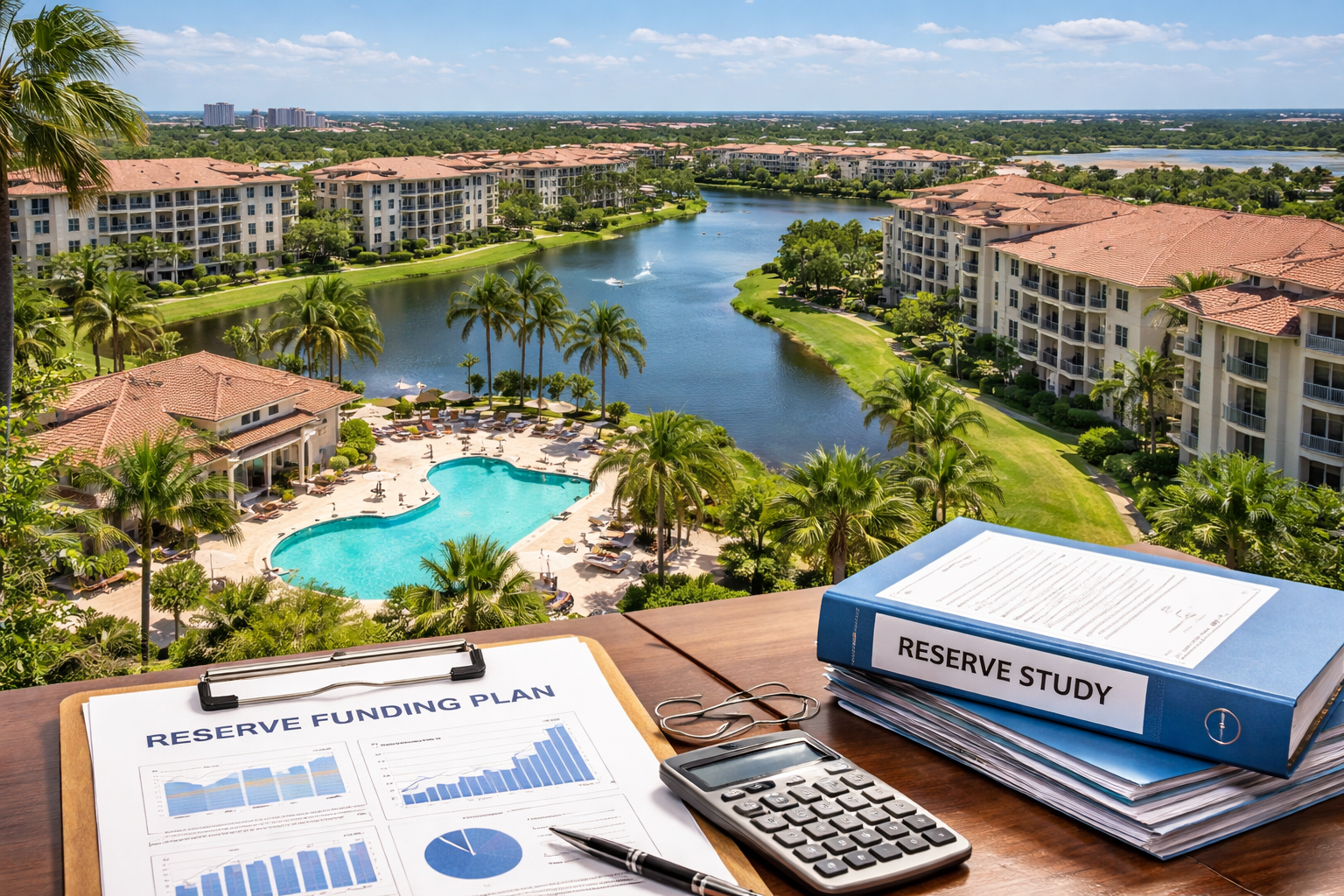
Proper reserve funding is essential for Florida homeowners associations (HOAs) and condominium associations (COAs) to maintain long-term financial stability. Reserve funds are designated savings accounts used to cover major repairs and capital replacements—such as roofs, elevators, structural components, pools, paving, and mechanical systems. Without adequate reserves, associations risk imposing costly special assessments or facing unexpected financial shortfalls.
A reserve funding methodology is the strategy an association uses to calculate how much money should be saved, how often contributions should be made, and how future repair or replacement costs are projected. It ensures that funds are available when major components reach the end of their useful life.
A properly structured reserve plan accounts for:
Estimated remaining useful life of common elements
Current replacement costs
Inflation and construction cost increases
Ongoing annual contributions
Cash flow projections over time
For Florida associations, having a clear methodology is not just good practice—it strengthens financial transparency and supports property values.
Component funding evaluates each major asset individually. Every roof, elevator, pool, or structural component is assigned a specific cost and remaining lifespan. The association contributes annually toward each item so that sufficient funds are available when replacement is needed.
Benefits:
Highly transparent
Easier to track individual assets
Reduces risk of underfunding specific components
This method is often preferred by boards seeking predictability and detailed financial planning.
Pooled funding combines all reserve components into one overall reserve pool. Instead of funding each asset separately, contributions are calculated to maintain a healthy overall reserve balance over time.
Benefits:
Greater flexibility in cash management
Often results in lower annual contributions
Allows surplus from one component to offset another
While flexible, pooled funding requires careful forecasting and professional reserve analysis to avoid future shortfalls.
Florida’s climate accelerates wear and tear on buildings and infrastructure. Hurricanes, humidity, salt exposure, and heavy rainfall increase maintenance demands. Proactive reserve planning helps associations:
Maintain adequate funds for repairs and replacements
Avoid unexpected special assessments
Support lender and buyer confidence
Demonstrate fiscal responsibility
Comply with governing documents and industry best practices
Lenders and prospective buyers frequently review reserve studies during real estate transactions. Well-funded reserves can positively influence property marketability and financing approvals.
To ensure financial health, boards should:
Conduct regular professional reserve studies
Review funding strategies annually
Adjust contributions for inflation and rising construction costs
Clearly communicate reserve plans to homeowners
Work with experienced reserve specialists and financial advisors
Whether your Florida community is initiating its first reserve study or updating an existing plan, selecting the right funding methodology is critical. A structured, forward-thinking approach protects both the association and its residents—preserving property values and preventing financial strain.
Strong reserve planning today means fewer financial surprises tomorrow.