Fencing in Community Associations: Balancing Boundaries, Security & Style

Written by Heidi Hensell

November 17, 2025

Table of Contents

Share

Link copied to clipboard!

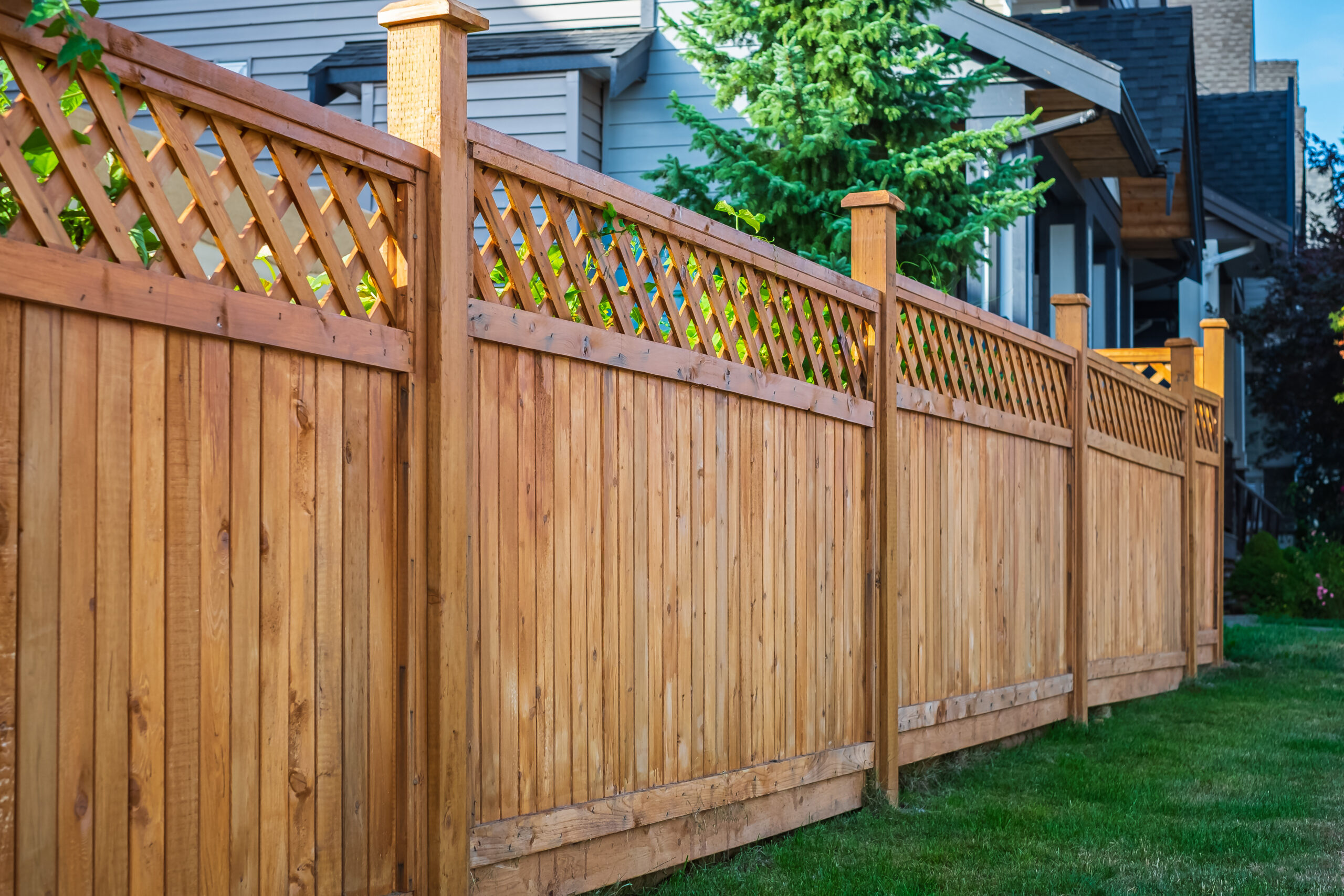
Fencing plays a crucial role in community association management. Beyond marking property boundaries, fences enhance security, provide privacy, and elevate a neighborhood’s aesthetic. Smart fencing decisions foster both community harmony and individual comfort.

Why Fencing Matters

Well-designed fences clearly delineate common and private areas, deterring trespass and supporting resident safety. A cohesive fencing strategy not only promotes privacy but also reinforces property values and visual consistency across the community.

Key Considerations for Community Managers

Governing Documents & Guidelines

Associations should maintain explicit fencing standards in their CC&Rs or design guidelines—covering height, materials, colors, and placement. These rules uphold visual harmony and set expectations upfront.

Architectural Review Process

Before installation or modifications, homeowners must submit plans for board or architectural committee approval. This process ensures fences align with community standards and reduces disputes.

Maintenance Responsibility

Clarify who maintains the fence—whether the homeowner, the neighbor, or the association—especially with shared or boundary fences. Responsibility gaps can lead to disputes if not properly defined.

Security & Safety Compliance

Fences should meet local safety and visibility standards, avoiding blind spots and ensuring safe sightlines. Adhering to safety codes protects residents and minimizes liability.

Neighborhood Harmony

Encourage fencing that complements local architecture and landscaping for a seamless community aesthetic. Fence design consistency reinforces community identity and structure.

HOA Fencing Best Practices

Most HOAs implement well-defined fencing policies—covering setbacks, approved materials, uniform styles, and maintenance responsibilities—to avoid enforcement issues and preserve property values.

Conclusion

Fencing is more than a practical boundary—it’s a statement of security, consistency, and care. By establishing thoughtful guidelines, approval workflows, and maintenance clarity, associations can support homeowner preferences while preserving the collective aesthetic and safety of the community.

Popular in the Community

Noise complaint Annoyed woman blocking ears with pillows on a couch
Noise Compliance in Florida COAs and HOAs: What Residents Should Know
Learn how noise compliance works in Florida HOAs and COAs, including quiet hours, local ordinances, and...

Learn more
Friends socializing and enjoying a backyard BBQ, grilling food at a summer cookout
BBQ Pits and “Public” Bathrooms in COAs: Balancing Fun and Responsibility
BBQ pits and public bathrooms can enhance COA living. Learn how rules, maintenance, and shared responsibility...

Learn more
AdobeStock_1873297514 (1)
Before You Buy in Florida — Why You Should Read the Governing Documents First
Buying in a Florida HOA or COA? Learn why reviewing governing documents, fees, leasing rules, and restrictions...
Learn more