Ensuring Safety in Community Associations: Life Safety Best Practices

Written by Heidi Hensell

September 3, 2025

Table of Contents

Share

Link copied to clipboard!

Life safety is a foundational responsibility for any HOA (Homeowners’ Association) or COA (Condominium Owners’ Association). Beyond aesthetics and maintenance, ensuring residents’ safety—through fire protection, structural integrity, and emergency planning—is paramount. Prioritizing life safety helps preserve both wellbeing and the community’s trust and financial health.

What Is Life Safety?

Life safety encompasses the systems, policies, and procedures meant to protect residents from hazards. For HOAs and COAs, this involves:

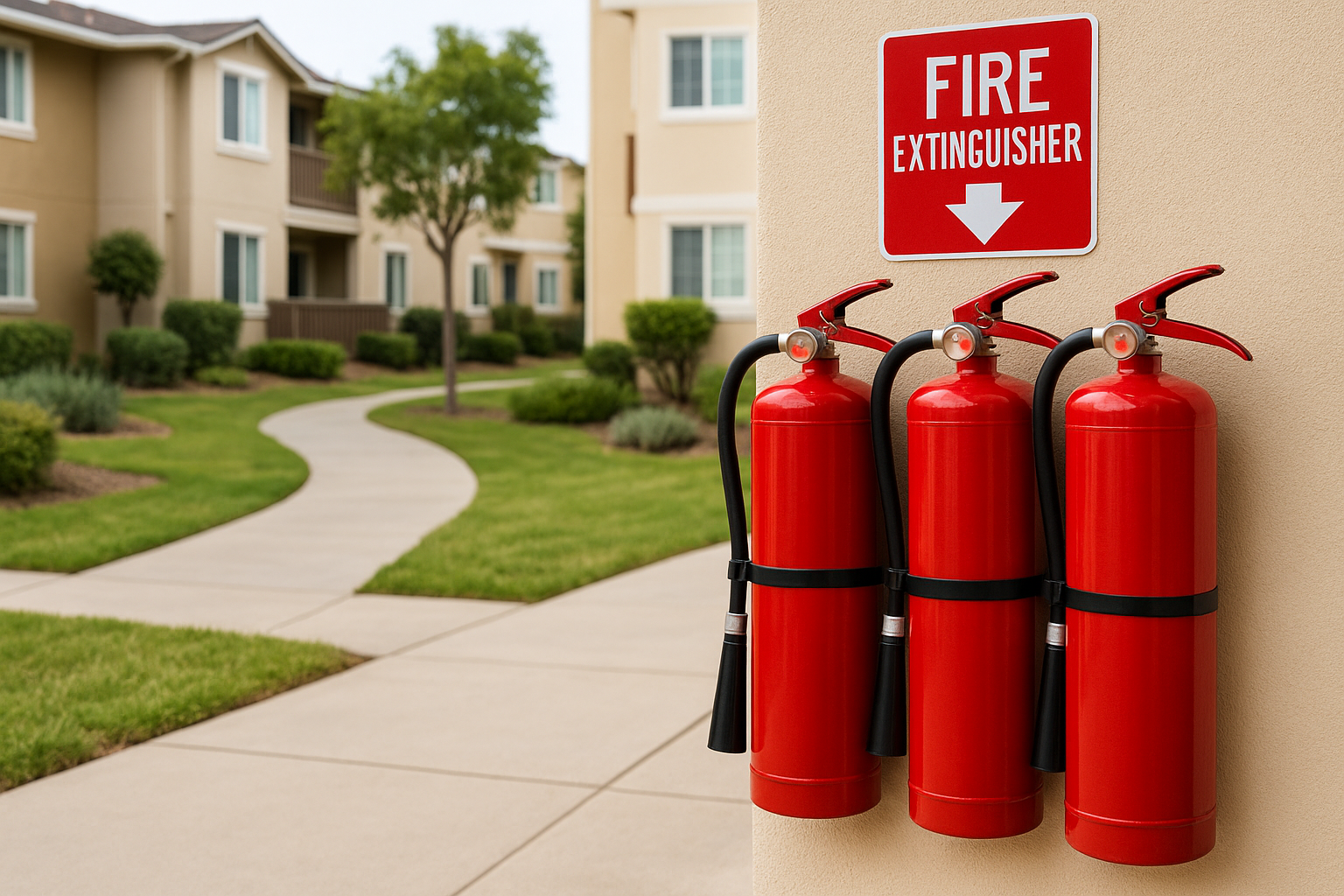
  • Fire safety systems (alarms, extinguishers, sprinklers)

  • Building code compliance and structural inspections

  • Emergency preparedness plans for natural disasters or other crises

  • Community awareness and engagement in safety practices

A thoughtful life safety strategy can significantly reduce risks and help the community prepare for the unexpected.

Key Life Safety Considerations

  • Building Integrity & Fire Safety
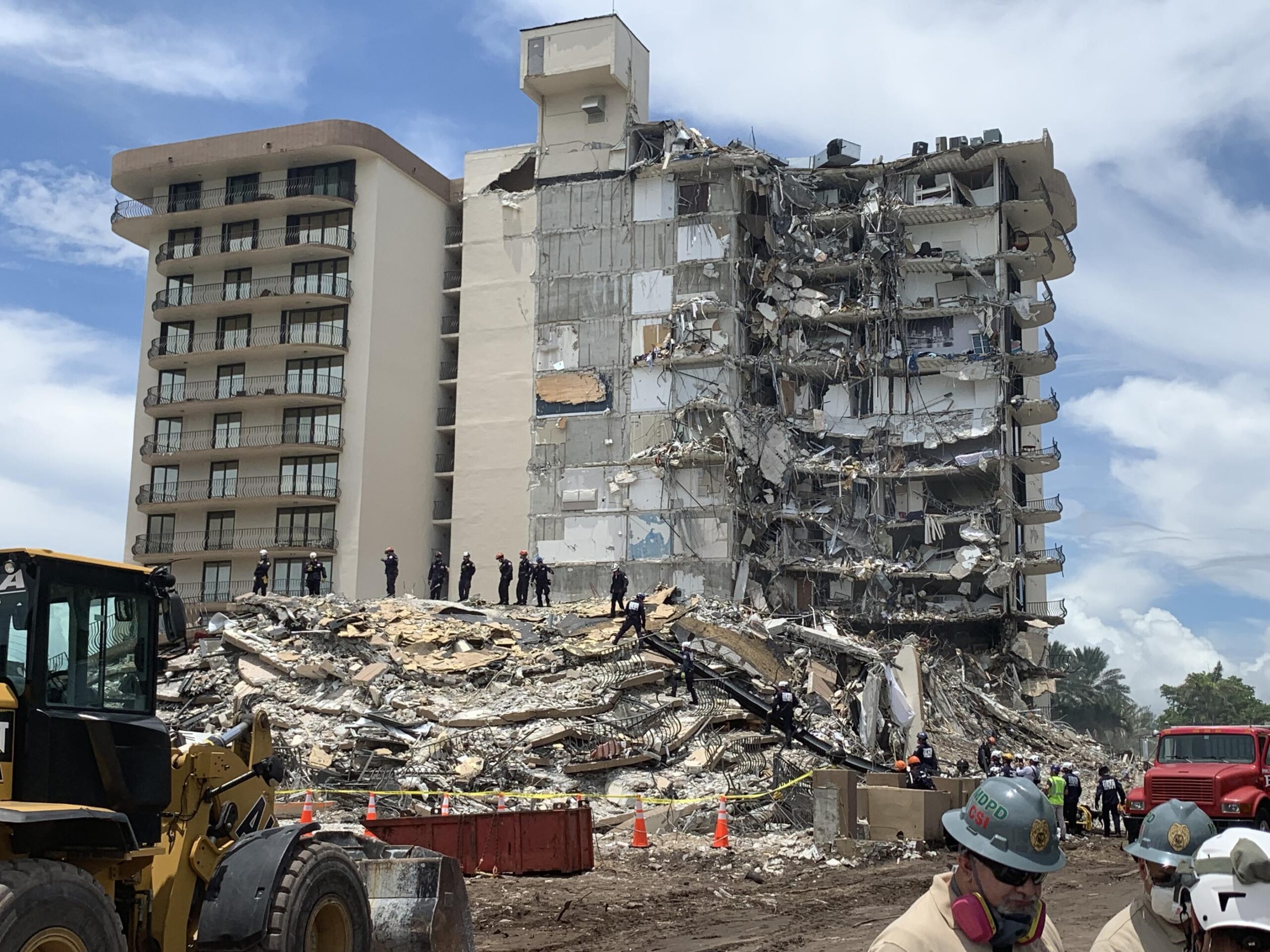
    Shared structures require regular inspections by qualified engineers to catch early signs of wear, corrosion, or deferred maintenance. Ensuring buildings meet current fire safety codes reinforces structural safety and compliance.
  • Emergency Planning & Community Resilience
    Developing comprehensive emergency response plans—including evacuation routes, communication strategies, and coordination with local authorities—is essential for effective disaster response. Boards should explore emergency powers during crises to act decisively when necessary.
  • Illumination & Security Enhancements
    Well-lit common areas—like pathways, parking lots, and entrances—reduce accidents and deter crime. Incorporating security features such as cameras, controlled access, and patrols enhances safety further.
  • Resident Education & Engagement
    Safety mechanisms are only effective when residents understand and support them. HOAs and COAs should promote awareness through newsletters, fire drills, and guidance on using safety equipment and evacuation protocols.

Conclusion

Life safety transcends regulatory compliance—it’s about safeguarding the lives and livelihoods of the community’s residents. HOAs and COAs that invest in proactive life safety planning—from structural integrity and fire prevention to emergency preparedness and resident engagement—foster resilient, secure, and thriving communities. The decisions made today shape the safety and peace of mind for tomorrow.

Popular in the Community

IMG_6362
BBQ Pits and “Public” Bathrooms in COAs: Balancing Fun and Responsibility
Ensure your Florida condominium or co‑op stays compliant: learn when milestone inspections are due, what...
Learn more
IMG_6362
Before You Buy in Florida — Why You Should Read the Governing Documents First
Ensure your Florida condominium or co‑op stays compliant: learn when milestone inspections are due, what...
Learn more
IMG_6362
Condo Insurance vs. Homeowners Insurance in Florida Communities: What COA and HOA Residents Should Know
Ensure your Florida condominium or co‑op stays compliant: learn when milestone inspections are due, what...
Learn more