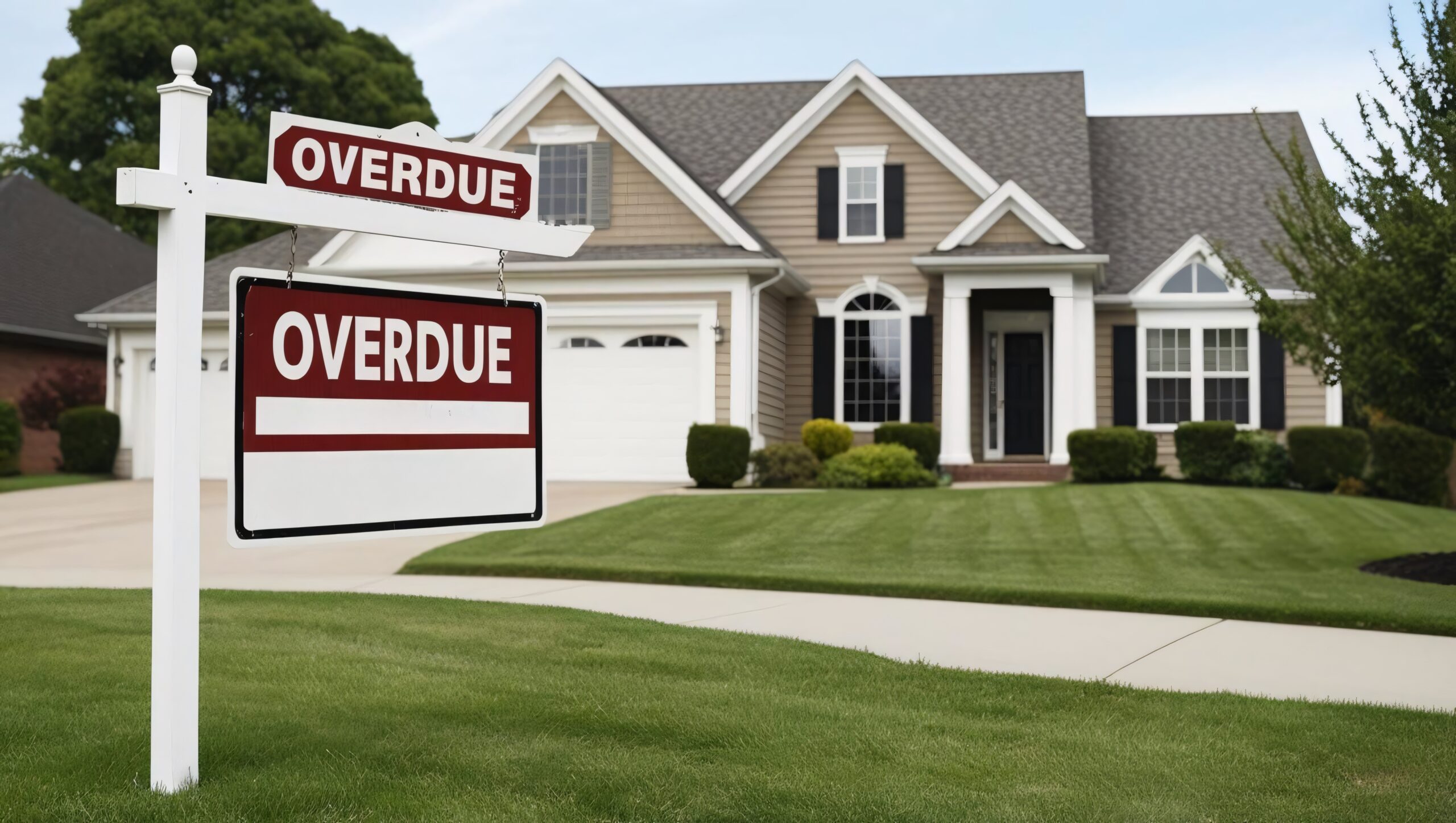
Collections in Community Associations: Safeguarding Financial Health and Resident Trust

Written by Heidi Hensell

October 24, 2025

Table of Contents

Share

Link copied to clipboard!

In community association management, collections go far beyond chasing unpaid dues—they form the backbone of financial stability. When assessments aren’t paid, the association risks compromising essential services like landscaping, maintenance, insurance, and amenities.

Why Collections Matter

Every homeowner’s dues directly support the shared resources and infrastructure of the community. When some members fall behind, it creates budget gaps, delays key services, and may lead to higher assessments for those current with payments. Without a solid collections system, associations can fall into financial strain.

A Balanced, Fair Approach

Effective collections hinge on fairness and clarity—most communities outline these procedures in their governing documents:

  • Payment Reminders & Grace Periods
    Communicate due dates clearly and allow a reasonable grace period before enforcing penalties.

  • Late Fees & Interest
    Apply fees consistently and disclose details transparently to deter late payments.

  • Demand Letters & Payment Plans
    Initiate formal reminders, and, when warranted, offer flexible payment options to resolve delinquencies proactively.

  • Escalation to Legal Measures
    If necessary, escalate to legal action or property liens—but only as a last resort and within the bounds of state law and HOA policy.

This structured approach encourages early resolution and reflects fairness—not punishment.

Leveraging Professional Support

Partnering with collection agencies, legal counsel, or property management software streamlines the process and ensures adherence to laws like the Fair Debt Collection Practices Act (FDCPA). These tools help automate reminders, manage delinquencies professionally, and protect the community’s financial health.

Best Practices to Follow

  • Clearly Document Your Policy: Every collection policy should be board-approved, compliant with laws, and distributed annually.

  • Communicate Proactively: Remind residents via newsletters, digital platforms, or direct outreach—early notice fosters better payment behavior.

  • Incorporate Flexibility: Consider offering hardship plans where appropriate—but maintain consistency to preserve trust.

  • Ensure Fair Enforcement: Act consistently and impartially, avoiding favoritism—a clear policy helps boards make objective decisions.

Conclusion

Collections are not about confrontation—they’re about collective responsibility and financial stewardship. A transparent, fair, and efficient approach protects amenities, trust, and community reputation. The right process ensures your association remains financially secure—and that residents feel respected and supported.

Popular in the Community

Noise complaint Annoyed woman blocking ears with pillows on a couch
Noise Compliance in Florida COAs and HOAs: What Residents Should Know
Learn how noise compliance works in Florida HOAs and COAs, including quiet hours, local ordinances, and...

Learn more
Friends socializing and enjoying a backyard BBQ, grilling food at a summer cookout
BBQ Pits and “Public” Bathrooms in COAs: Balancing Fun and Responsibility
BBQ pits and public bathrooms can enhance COA living. Learn how rules, maintenance, and shared responsibility...

Learn more
AdobeStock_1873297514 (1)
Before You Buy in Florida — Why You Should Read the Governing Documents First
Buying in a Florida HOA or COA? Learn why reviewing governing documents, fees, leasing rules, and restrictions...
Learn more