Copyright © Kaloop 2025 All Right Reserved
Written by Chris Abbott
July 7, 2026
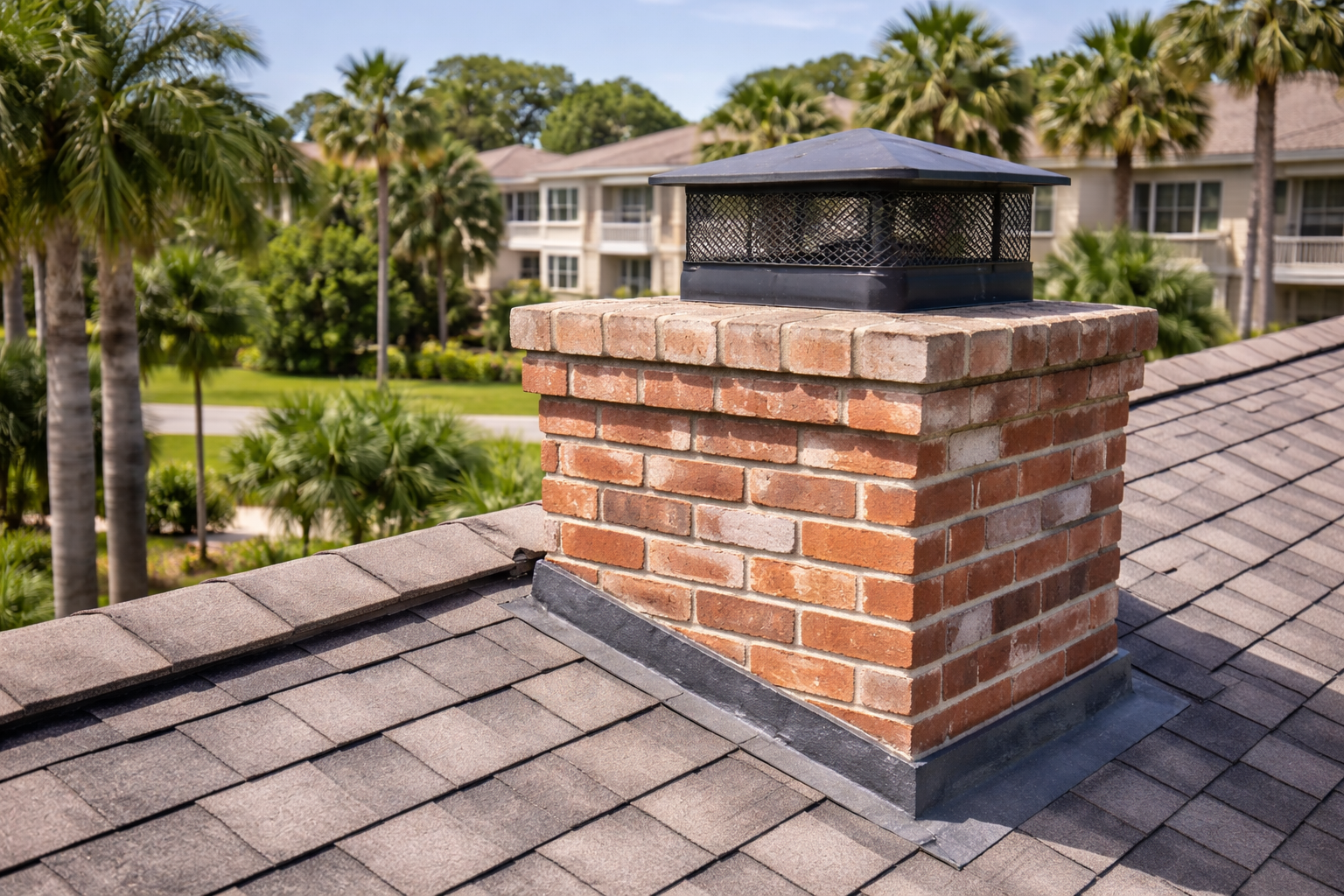
Chimneys are often associated with colder climates, but in Florida homeowners associations (HOAs) and condominium communities, they remain an important part of building maintenance. Even when fireplaces are rarely used, chimneys stand tall above roofs, exposed year-round to heat, humidity, wind, and rain.
Over time, Florida’s climate can take a serious toll on these structures.
Florida’s environment is particularly harsh on masonry materials. Moist air, coastal salt exposure, and daily temperature changes allow water to seep into small cracks in brick and mortar.
Once moisture enters the structure, it slowly begins to cause damage from within. Common chimney problems in Florida communities include:
Crumbling mortar joints
Rusted metal flues
Loose or damaged chimney caps
Cracked masonry or stucco
Water intrusion around the roofline
These issues often develop gradually and may go unnoticed until visible damage appears.
For HOAs and condominium associations, neglected chimneys can create more than cosmetic problems. Water entering through damaged masonry can leak into roofs, walls, and attic spaces.
Over time, this moisture can:
Damage roof framing and sheathing
Cause interior leaks in units
Create mold and moisture problems
Compromise structural stability
In severe cases, deteriorated chimneys can even become safety hazards during storms or high winds.
Regular chimney inspections and preventative maintenance can help associations avoid costly repairs later. Addressing small issues early is far more affordable than rebuilding a failing chimney or repairing widespread water damage.
Typical maintenance steps include:
Repointing deteriorated mortar joints
Sealing cracks in masonry
Replacing rusted chimney caps or flashing
Inspecting the flue and structural stability
In Florida communities, chimneys may not see frequent fires, but they remain important structural components of many buildings.
With regular inspection and maintenance, HOAs and condo associations can prevent leaks, protect building integrity, and avoid unexpected repair bills.