Bus Stops: Enhancing Accessibility and Connectivity in Community Associations

Written by Heidi Hensell

January 5, 2026

Table of Contents

Share

Link copied to clipboard!

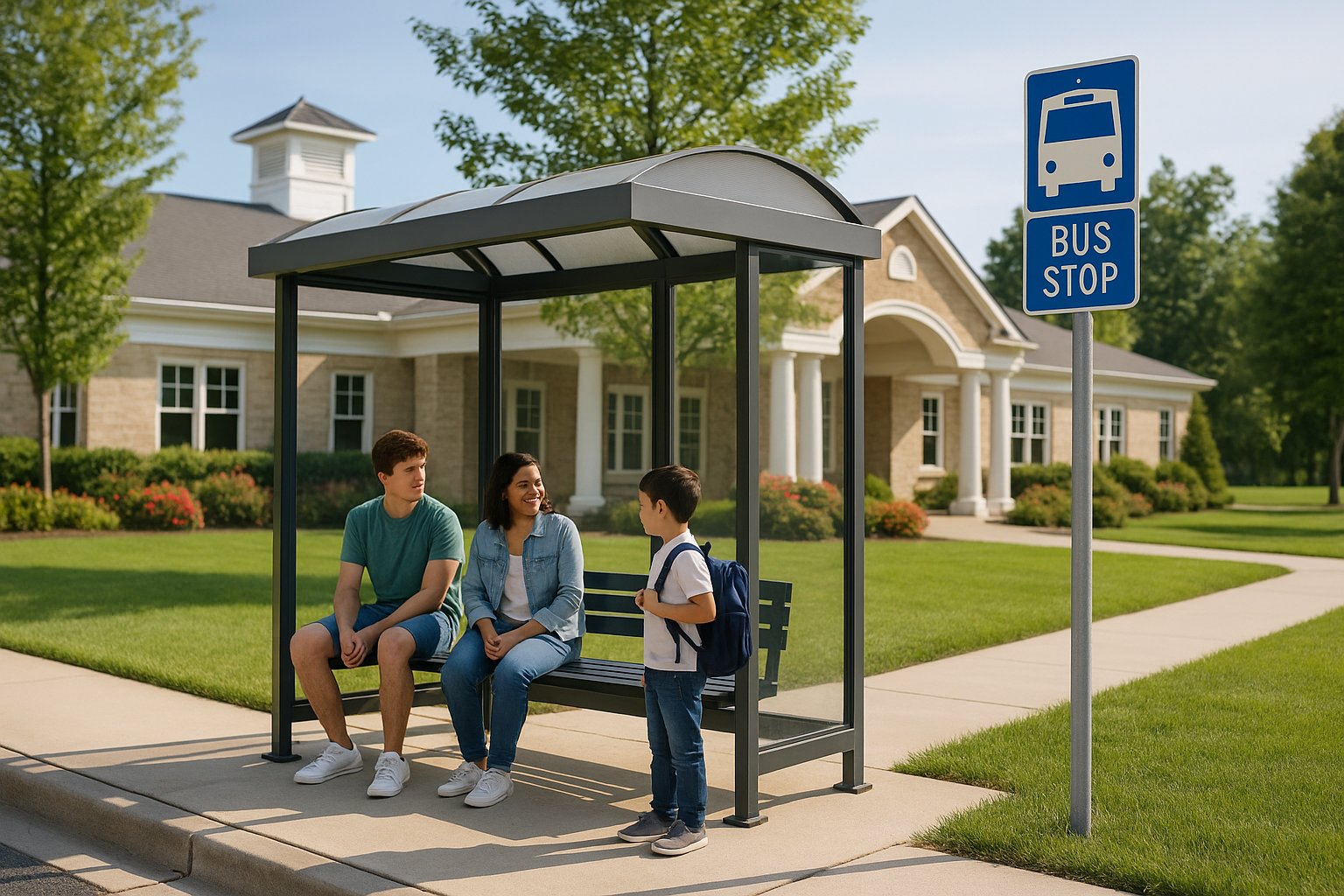
As community associations grow and evolve, thoughtful infrastructure plays a vital role in supporting both convenience and quality of life. One often-overlooked feature that delivers significant benefits is the community bus stop. More than just a waiting area, a well-designed bus stop enhances accessibility, encourages safe commuting, and reflects a forward-thinking association that values resident needs.

A Simple Feature with Big Impact

Whether used for school pickups, public transportation, or community shuttle services, bus stops are a small investment with major returns. They improve mobility for residents of all ages—children heading to school, working professionals commuting to jobs, or seniors attending appointments. By supporting multiple generations, a bus stop reinforces the community’s commitment to inclusivity.

Key Benefits of Bus Stops for Community Associations

1. Improved Accessibility
Bus stops make it easier for residents without personal transportation to connect with schools, workplaces, and essential services. This feature is especially valuable for families with teens, seniors who prefer not to drive, or individuals embracing car-free living.

2. Increased Safety
A designated, sheltered waiting area keeps pedestrians safe and visible. For children, this is especially important—parents gain peace of mind knowing their kids aren’t waiting near busy streets without protection.

3. Environmental Responsibility
By encouraging the use of public transit and reducing reliance on individual cars, bus stops help lower traffic congestion and support a smaller community carbon footprint. This aligns with broader sustainability goals embraced by many modern associations.

4. Positive Community Image
A clean, functional bus stop is more than practical—it’s symbolic. It shows residents and visitors alike that the association is proactive, well-managed, and committed to enhancing resident experience.

Smart Design Matters

The difference between an average bus stop and a valued community asset lies in thoughtful design. Adding features such as:

  • Comfortable seating
  • Covered shade structures
  • Clear signage with schedules
  • Nighttime lighting for safety

These elements not only improve the daily experience of riders but also increase overall usability. Collaborating with local transit authorities ensures proper placement, compliance with safety codes, and alignment with public transportation networks.

A Step Toward a More Connected Community

Investing in bus stops is more than a practical improvement—it’s a strategic move that enhances connectivity, supports sustainability, and fosters inclusivity. For community associations, it’s a visible way to show residents that their mobility and well-being are priorities.

By integrating smart, safe, and accessible bus stop designs, associations strengthen their neighborhoods and create a lasting impact that benefits everyone.

Popular in the Community

ChatGPT Image Mar 5, 2026, 04_43_38 PM
HOA Rules That Are Actually Fun (Yes, Really!)
Discover surprising HOA rules that actually make communities more enjoyable—from garden contests to pool...
Learn more
ChatGPT Image Mar 3, 2026, 04_59_42 PM
How to Request Changes or Variances in Your HOA
Learn how to request a variance from your HOA. Step-by-step guide to submitting architectural changes,...
Learn more
ChatGPT Image Mar 3, 2026, 04_47_50 PM
Managing Vendors: Red Flags Condo Boards Should Watch For
Learn key vendor red flags condo and HOA boards should watch for, including licensing issues, vague contracts,...
Learn more