Yard Statues in HOAs: Balancing Personal Expression with Community Standards

Yard Statues in HOAs: Balancing Personal Expression with Community Standards
Written by Heidi Hensell

February 5, 2026

Table of Contents

Share

Link copied to clipboard!

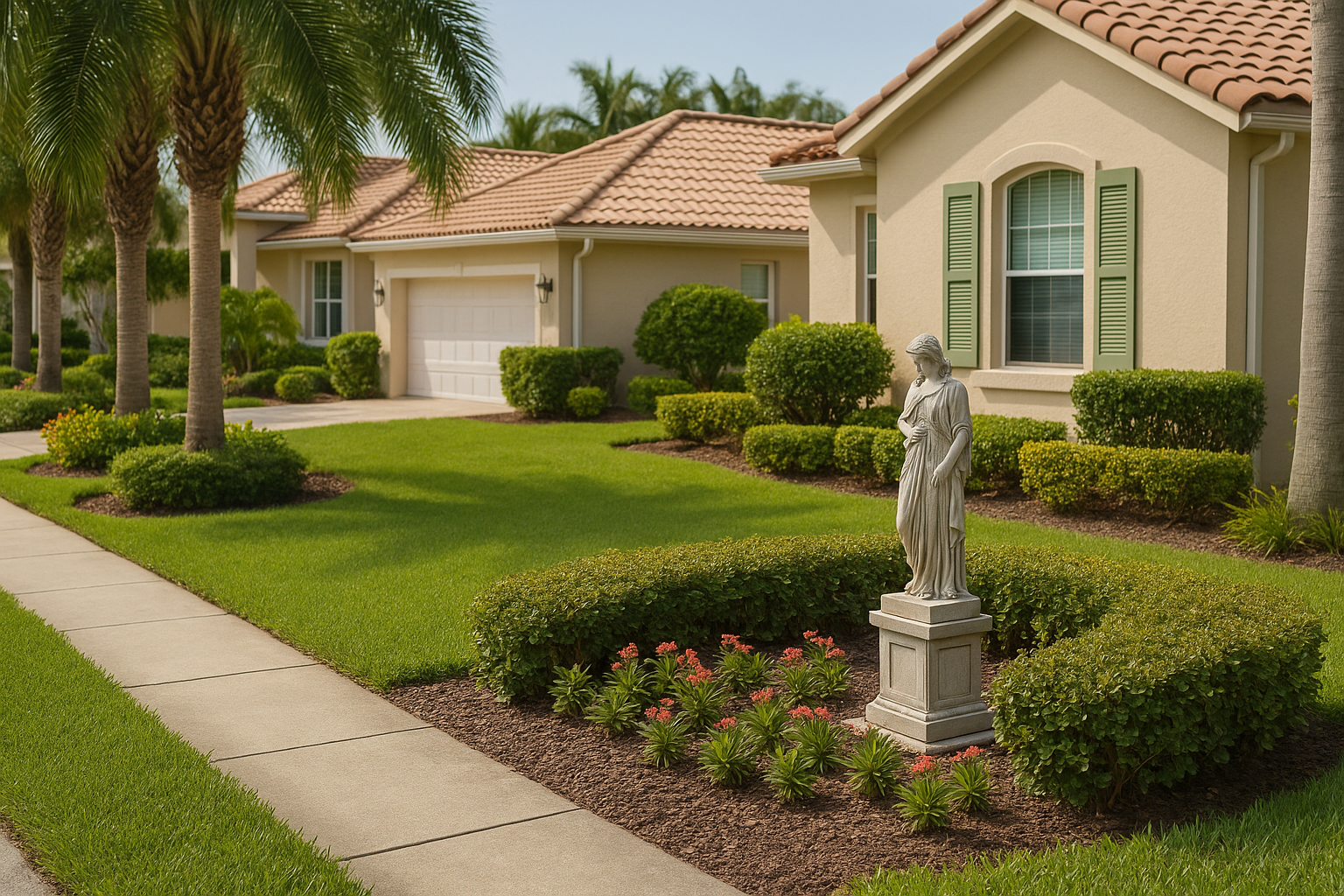
Yard statues are a popular way for homeowners to showcase personality, creativity, and cultural heritage. From whimsical garden gnomes to elegant stone sculptures, these decorative features add charm and individuality to properties.

In HOA communities, however, statues and other outdoor décor must be managed carefully to maintain a consistent neighborhood aesthetic. Finding the balance between personal expression and community standards helps protect property values while fostering a sense of belonging for all residents.

Why HOAs Regulate Yard Statues

Most associations include design standards or architectural review policies that cover outdoor decorations, including statues. These guidelines often address:

  • Size and Scale – Preventing oversized or out-of-place installations.
  • Placement – Ensuring statues don’t obstruct walkways, driveways, or sightlines.
  • Materials and Style – Requiring durable and tasteful designs that complement the community’s architecture.

Such standards aren’t meant to restrict creativity but to ensure individual choices align with the community’s overall appearance.

Best Practices for Managing Yard Statues

1. Clear Communication
Provide homeowners with accessible guidelines outlining what is permitted, where statues may be placed, and any restrictions. This prevents confusion and helps residents make compliant choices.

2. Transparent Approval Process
Boards should review requests fairly and consistently, documenting approvals to avoid favoritism or disputes.

3. Routine Inspections
Community inspections allow managers to identify non-compliant or poorly maintained statues early. Friendly reminders can often resolve issues without conflict.

4. Encourage Pride and Creativity
Associations can allow tasteful, well-maintained statues that reflect personal style while respecting the neighborhood’s character. This supports resident engagement and community pride.

A Balanced Approach

Yard statues may seem like small details, but they influence how a community looks and feels. By managing them thoughtfully, HOAs can protect curb appeal and property values while giving residents the freedom to express themselves.

The result is a neighborhood that feels both personal and harmonious, where individuality and community standards coexist beautifully.

Popular in the Community

ChatGPT Image Mar 10, 2026, 10_52_10 AM
Florida HB 657: What It Means for Community Association Residents
Explore advanced HOA and COA property management software features including resident portals, violation...

Learn more
Diverse friends are toasting green beer, celebrating st
St. Patrick’s Day in Your Florida HOA or COA: Celebrating Safely
Planning St. Patrick’s Day celebrations in a Florida HOA or COA? Learn how to stay compliant with community...

Learn more
Noise complaint Annoyed woman blocking ears with pillows on a couch
Noise Compliance in Florida COAs and HOAs: What Residents Should Know
Learn how noise compliance works in Florida HOAs and COAs, including quiet hours, local ordinances, and...
Learn more

HOA Gutter Maintenance: The Importance of Gutters and Protection Guards
HOA Gutter Maintenance: The Importance of Gutters and Protection Guards

Written by Heidi Hensell

February 4, 2026

Table of Contents

Share

Link copied to clipboard!

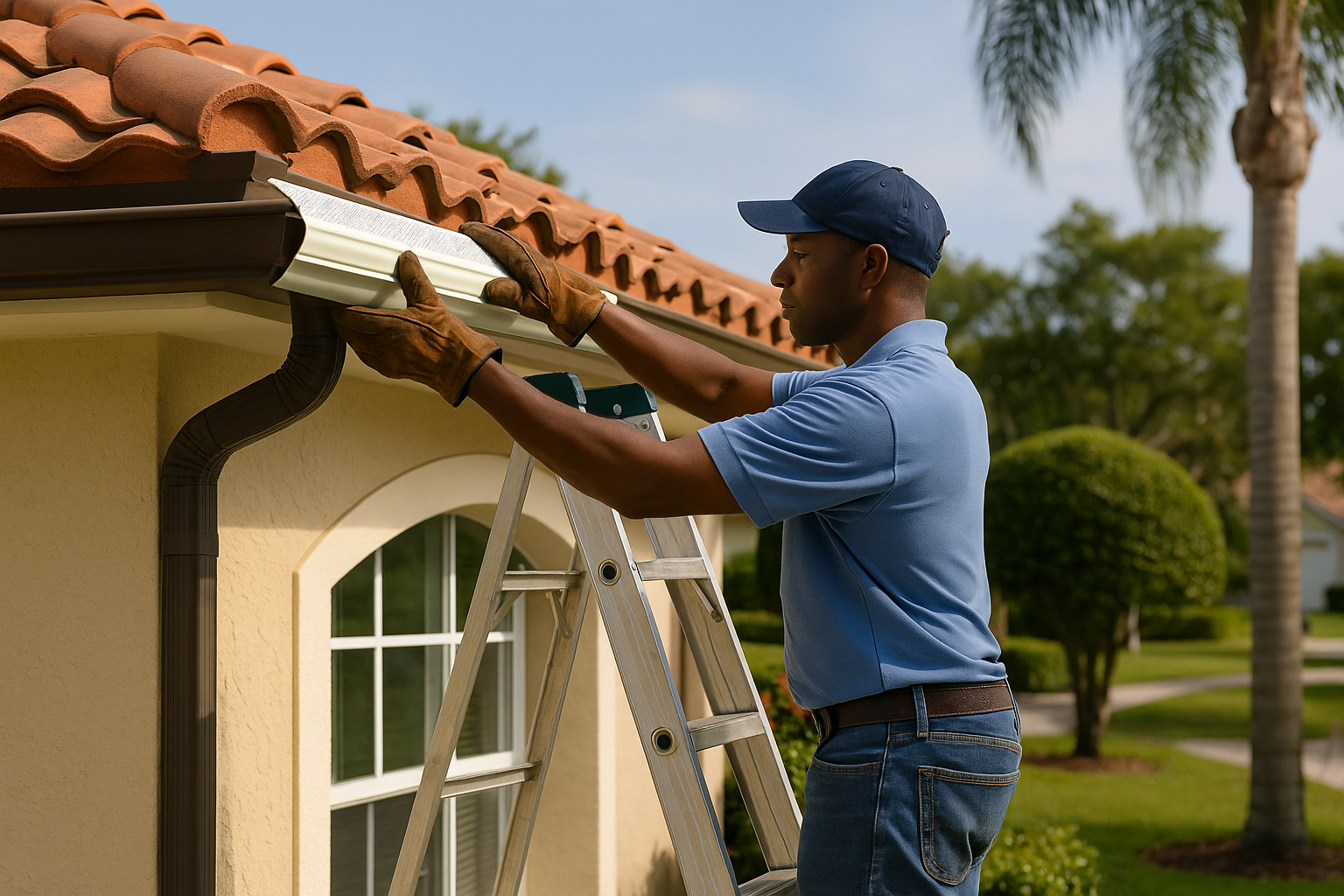
For HOA communities, gutters are more than just exterior fixtures—they’re a vital part of protecting buildings and landscaping from water damage. By directing rainwater away from roofs, walls, and foundations, gutters safeguard homes and preserve the value of shared community assets.

When neglected, clogged or broken gutters can cause costly issues such as leaks, soil erosion, and structural damage. That’s why proactive gutter maintenance—and the addition of gutter protection guards—should be a top priority for community association managers and boards.

Why Gutters Matter in HOA Communities

1. Protect Roofs and Foundations
Properly functioning gutters prevent water from pooling near foundations or seeping under roofing materials, reducing the risk of cracks, leaks, and long-term structural damage.

2. Preserve Landscaping
Overflowing gutters can wash out plants, erode soil, and damage hardscaping. Regular maintenance ensures rainwater is directed safely away from green spaces and common areas.

3. Maintain Property Values
A well-kept gutter system improves curb appeal and demonstrates proactive management—both of which support higher home values across the community.

Benefits of Gutter Protection Guards

Installing gutter guards helps reduce the amount of debris that enters the system. This means:

  • Less Clogging – Water flows freely, reducing overflow and leaks.

  • Lower Maintenance Needs – Fewer cleanings save time and costs for both residents and the association.

  • Pest Prevention – Guards discourage rodents, insects, and birds from nesting inside gutters.

Extended Gutter Life – Reduced debris and standing water protect gutters from rust and deterioration.

Best Practices for HOAs

1. Schedule Regular Inspections
Inspections before and after storm seasons catch problems early and ensure gutters are prepared for heavy rain.

2. Partner with Professionals
Hiring licensed vendors for installation and maintenance ensures quality results and long-lasting protection.

3. Educate Homeowners
Clear communication about the importance of gutter upkeep encourages residents to maintain their own systems in line with community standards.

Protecting Homes and Communities

Gutters may seem like a small detail, but they play a big role in the safety, appearance, and long-term value of HOA communities. By investing in regular maintenance and protection guards, associations demonstrate proactive care that benefits both individual homes and the entire neighborhood.

Popular in the Community

ChatGPT Image Mar 10, 2026, 10_52_10 AM
Florida HB 657: What It Means for Community Association Residents
Explore advanced HOA and COA property management software features including resident portals, violation...
Learn more
Diverse friends are toasting green beer, celebrating st
St. Patrick’s Day in Your Florida HOA or COA: Celebrating Safely
Planning St. Patrick’s Day celebrations in a Florida HOA or COA? Learn how to stay compliant with community...
Learn more
Noise complaint Annoyed woman blocking ears with pillows on a couch
Noise Compliance in Florida COAs and HOAs: What Residents Should Know
Learn how noise compliance works in Florida HOAs and COAs, including quiet hours, local ordinances, and...
Learn more

HOA Waterproofing: Protecting Communities from Costly Damage and Structural Risks
HOA Waterproofing: Protecting Communities from Costly Damage and Structural Risks

Written by Heidi Hensell

February 3, 2026

Table of Contents

Share

Link copied to clipboard!

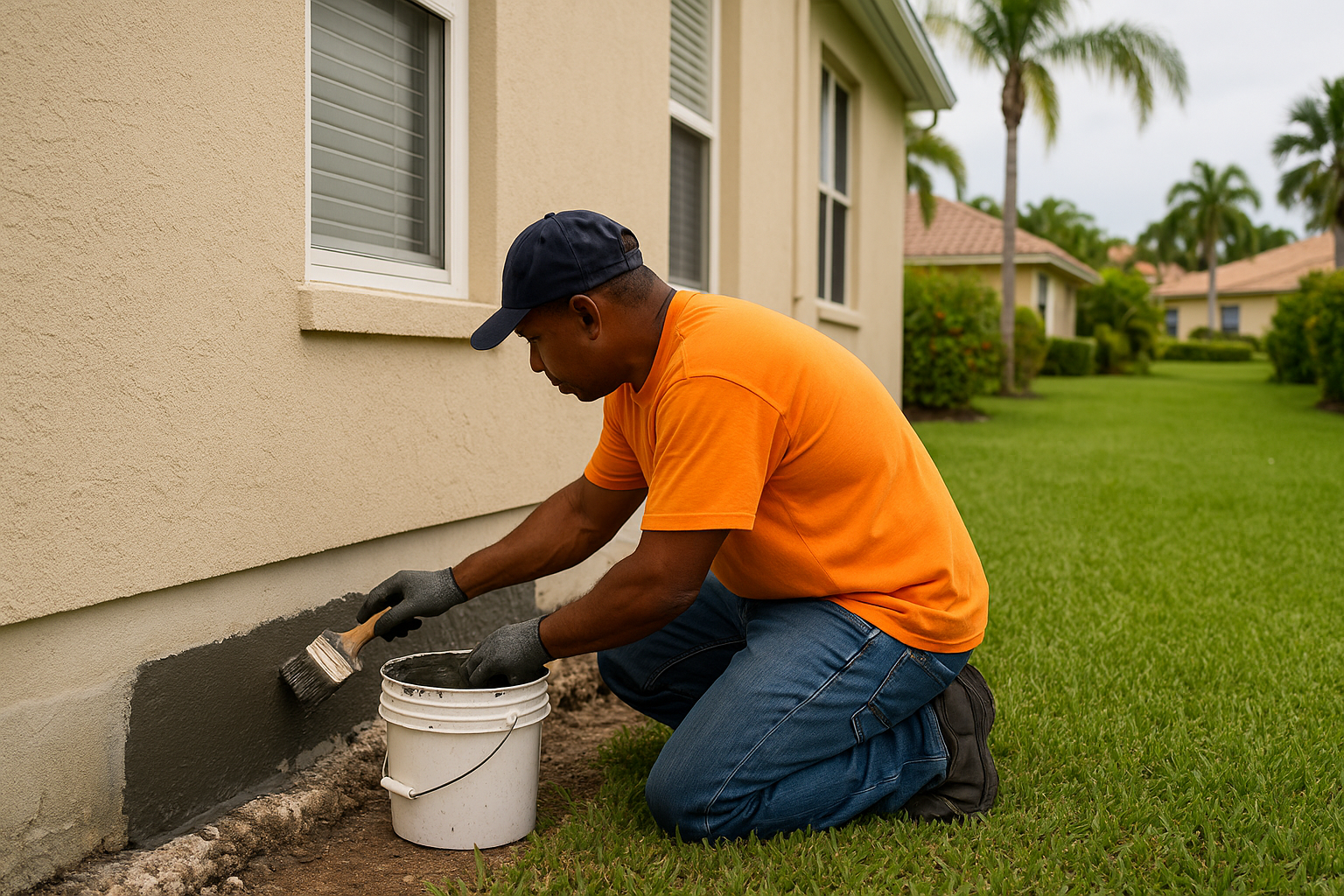
In community association management, waterproofing is one of the most crucial—but often overlooked—maintenance responsibilities. Without proper waterproofing, buildings, foundations, balconies, and common areas are vulnerable to water damage, mold growth, and structural deterioration. These issues can quickly escalate into costly repairs, safety hazards, and frustrated residents.

For HOA boards and managers, investing in proactive waterproofing protects not only the community’s infrastructure but also its long-term property values and reputation.

Why Waterproofing Matters in HOAs

1. Prevents Costly Damage
Water infiltration through cracks, leaks, or poor drainage can damage walls, roofs, and foundations. The longer water issues go unaddressed, the more expensive the repairs become.

2. Protects Resident Health
Moisture creates conditions for mold and mildew, which can pose serious health risks to residents. Waterproofing helps maintain a safe and healthy environment.

3. Extends Longevity of Assets
Balconies, parking garages, and shared facilities last longer when properly sealed and protected from moisture. Preventive care delays the need for major replacements.

4. Maintains Property Values
Well-maintained buildings and common areas preserve curb appeal and marketability. Buyers are more confident investing in communities with a strong maintenance record.

Best Practices for HOA Waterproofing

1. Conduct Regular Inspections
Schedule inspections to identify leaks, cracks, or drainage issues early. Pay special attention to basements, balconies, and roofs where water intrusion is most common.

2. Implement Proactive Solutions
A comprehensive waterproofing plan may include:

  • Sealants and coatings for walls and surfaces

  • Membrane applications for roofs and balconies

  • Proper grading and drainage improvements to direct water away from buildings

3. Partner with Professionals
Licensed contractors can provide expert recommendations and ensure waterproofing projects meet building codes and HOA standards.

4. Educate Homeowners
Encourage residents to report water intrusion promptly and maintain their own property to prevent issues from spreading into shared areas.

Long-Term Benefits

When HOAs make waterproofing a priority, they protect the community from unexpected emergencies, preserve structural integrity, and enhance resident satisfaction. Proactive care saves money over time and reinforces trust that the association is safeguarding the neighborhood’s future.

In short, waterproofing isn’t just about preventing leaks—it’s about protecting the community’s well-being, investments, and peace of mind from the ground up.

Popular in the Community

ChatGPT Image Mar 10, 2026, 10_52_10 AM
Florida HB 657: What It Means for Community Association Residents
Explore advanced HOA and COA property management software features including resident portals, violation...
Learn more
Diverse friends are toasting green beer, celebrating st
St. Patrick’s Day in Your Florida HOA or COA: Celebrating Safely
Planning St. Patrick’s Day celebrations in a Florida HOA or COA? Learn how to stay compliant with community...
Learn more
Noise complaint Annoyed woman blocking ears with pillows on a couch
Noise Compliance in Florida COAs and HOAs: What Residents Should Know
Learn how noise compliance works in Florida HOAs and COAs, including quiet hours, local ordinances, and...
Learn more

Intercom Systems in HOAs: Boosting Security, Access, and Resident Satisfaction
Intercom Systems in HOAs: Boosting Security, Access, and Resident Satisfaction

Written by Heidi Hensell

February 2, 2026

Table of Contents

Share

Link copied to clipboard!

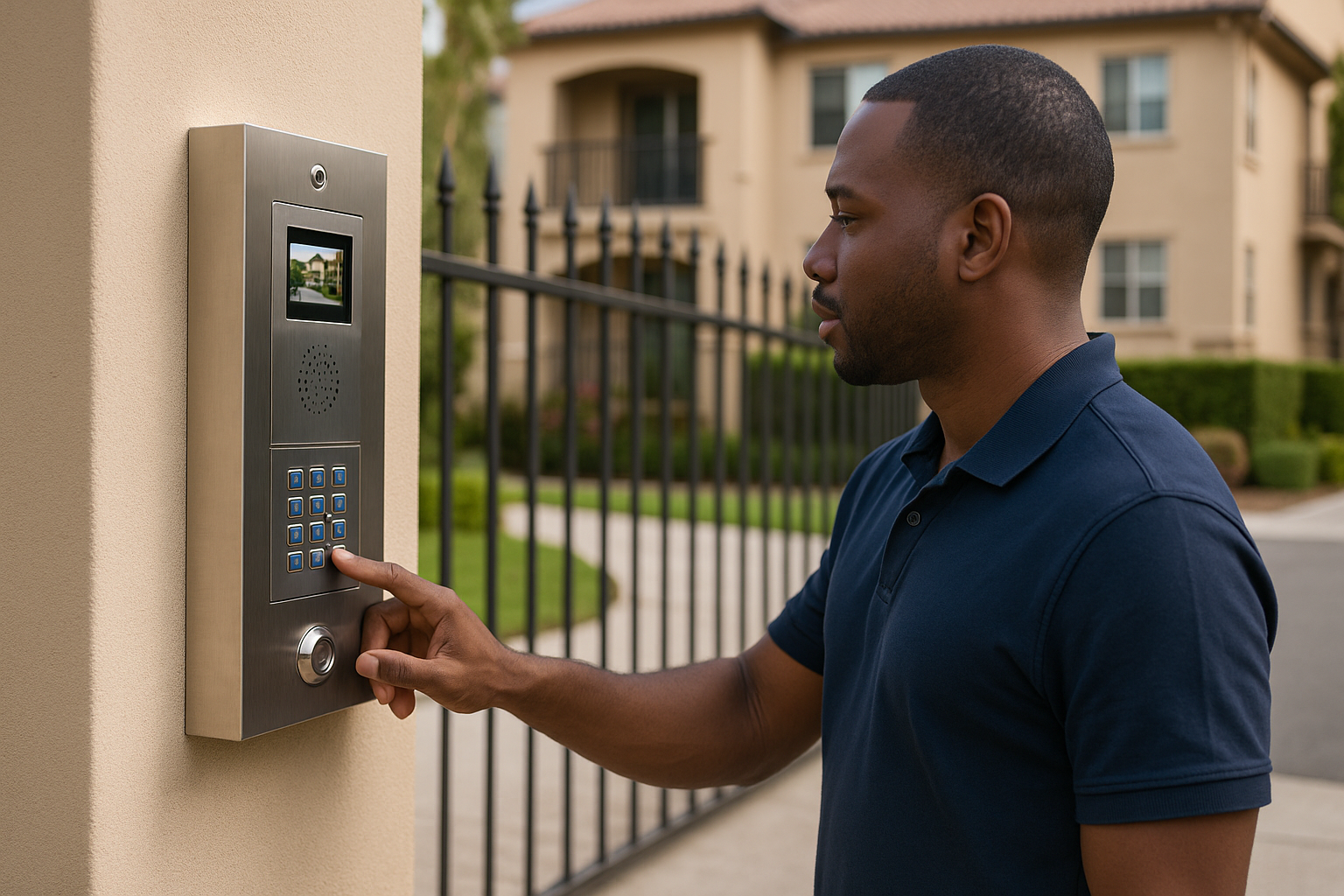
In today’s HOA communities, security and convenience are top priorities. Intercom systems play a vital role in meeting both needs by allowing residents to manage access to buildings and common areas safely and efficiently. Whether it’s controlling visitor entry, coordinating deliveries, or ensuring emergency access, intercoms provide a first line of defense while enhancing daily living.

Why Intercom Systems Matter in HOA Communities

Intercoms do more than buzz visitors in—they contribute directly to community safety, resident confidence, and property value. By restricting access to approved guests, they reduce the risk of trespassing, theft, and unauthorized use of shared amenities.

At the same time, these systems simplify communication between residents, guests, and management, making daily operations smoother for everyone.

By keeping these systems clean and functional, associations promote better hygiene, prevent pest infestations, and protect their investment in community infrastructure.

Best Practices for Managing Intercom Systems

1. Prioritize Regular Maintenance
Like all community infrastructure, intercom systems require upkeep. Routine testing, timely repairs, and battery or wiring checks ensure reliability when residents need it most.

2. Upgrade with Modern Technology
Traditional audio-only systems are functional, but today’s communities benefit from modern features such as:

  • Video capabilities to visually confirm guests

  • Mobile app integration for remote access and notifications

  • Directory updates for easy resident and management contact

These upgrades not only improve security but also align with the expectations of tech-savvy homeowners.

3. Communicate with Residents
Educating residents on proper intercom use is essential. Clear guidelines reduce misuse and frustration while encouraging residents to report issues promptly for faster resolution.

  1. 4. Ensure Compliance and Access
    Intercom systems should be ADA-compliant and accessible for all residents, including seniors and individuals with disabilities. This reinforces inclusivity while meeting regulatory requirements.

Long-Term Benefits for HOAs

Well-maintained intercom systems aren’t just about convenience—they enhance the community’s reputation as a safe, modern, and well-managed place to live. Prospective buyers often see intercom systems as a value-added amenity, giving communities with reliable, updated systems a competitive edge in the housing market.

By investing in intercom system upkeep and upgrades, HOAs protect residents, streamline operations, and reinforce the long-term value of their neighborhoods.

Popular in the Community

ChatGPT Image Mar 10, 2026, 10_52_10 AM
Florida HB 657: What It Means for Community Association Residents
Explore advanced HOA and COA property management software features including resident portals, violation...
Learn more
Diverse friends are toasting green beer, celebrating st
St. Patrick’s Day in Your Florida HOA or COA: Celebrating Safely
Planning St. Patrick’s Day celebrations in a Florida HOA or COA? Learn how to stay compliant with community...
Learn more
Noise complaint Annoyed woman blocking ears with pillows on a couch
Noise Compliance in Florida COAs and HOAs: What Residents Should Know
Learn how noise compliance works in Florida HOAs and COAs, including quiet hours, local ordinances, and...
Learn more

Stone Features in HOAs: Enhancing Community Beauty, Durability, and Value
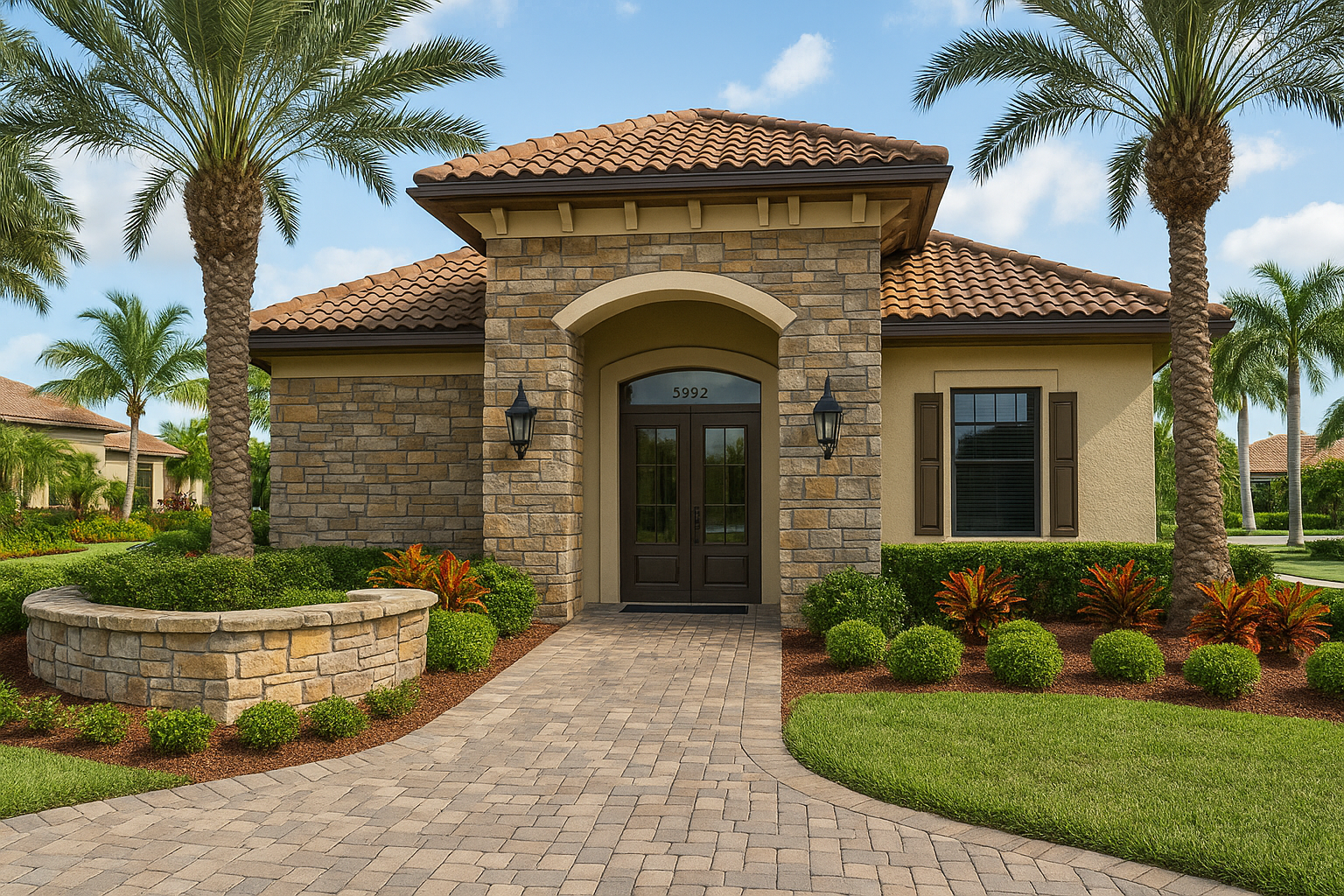
Stone Features in HOAs: Enhancing Community Beauty, Durability, and Value

Written by Heidi Hensell

January 30, 2026

Table of Contents

Share

Link copied to clipboard!

In HOA communities, every detail matters when it comes to creating curb appeal and long-term value. Among the most impactful design elements are stone features—whether incorporated into landscaping, walkways, retaining walls, or building facades. Stone adds natural beauty, strength, and timeless character, making it both a practical and aesthetic investment.

For community association managers, maintaining these features is an important responsibility. Proper care ensures that stone remains both attractive and structurally sound, protecting property values and resident satisfaction.

Why Stone Features Matter in HOA Communities

1. Natural Beauty and Curb Appeal
Stone elements bring texture and elegance to a community’s design. From decorative facades to stone-paved entryways, these features instantly elevate a neighborhood’s aesthetic.

2. Durability and Longevity
Unlike wood or synthetic materials, stone is naturally resistant to weather, pests, and daily wear. With proper care, stone features can last for decades—offering long-term value for the community.

3. Property Value Protection
Well-maintained stonework contributes to consistent community standards, boosting resale value and making the neighborhood more attractive to potential buyers.

Best Practices for HOA Stone Maintenance

1. Conduct Regular Inspections
Boards and managers should schedule inspections to identify cracks, loose stones, or erosion. Early detection prevents small issues from becoming costly repairs.

2. Clean and Seal Surfaces
Routine cleaning removes dirt, mold, and stains, while sealing stone surfaces helps protect against water damage, fading, and erosion.

3. Establish Design Guidelines
HOAs should define approved materials and styles for stonework in their design standards. This ensures a cohesive look across the community, whether homeowners are adding new walkways or updating facades.

4. Partner with Professionals
Hiring experienced contractors for installation and upkeep guarantees quality craftsmanship and compliance with community guidelines. Professionals can also recommend the best sealing or restoration methods based on local climate.

Long-Term Benefits for Communities

By prioritizing stone feature upkeep, HOAs not only enhance the immediate beauty of the neighborhood but also invest in long-term sustainability. Well-maintained stone features reduce repair costs, support property values, and foster pride among residents.

Stone may seem like a small detail, but in community association management, these details create a lasting impression. Strong, beautiful, and enduring—stonework is more than design; it’s a foundation for community value.

Popular in the Community

ChatGPT Image Mar 10, 2026, 10_52_10 AM
Florida HB 657: What It Means for Community Association Residents
Explore advanced HOA and COA property management software features including resident portals, violation...
Learn more
Diverse friends are toasting green beer, celebrating st
St. Patrick’s Day in Your Florida HOA or COA: Celebrating Safely
Planning St. Patrick’s Day celebrations in a Florida HOA or COA? Learn how to stay compliant with community...
Learn more
Noise complaint Annoyed woman blocking ears with pillows on a couch
Noise Compliance in Florida COAs and HOAs: What Residents Should Know
Learn how noise compliance works in Florida HOAs and COAs, including quiet hours, local ordinances, and...
Learn more

Trash Chute Maintenance in HOAs: Essential for Clean and Efficient Communities
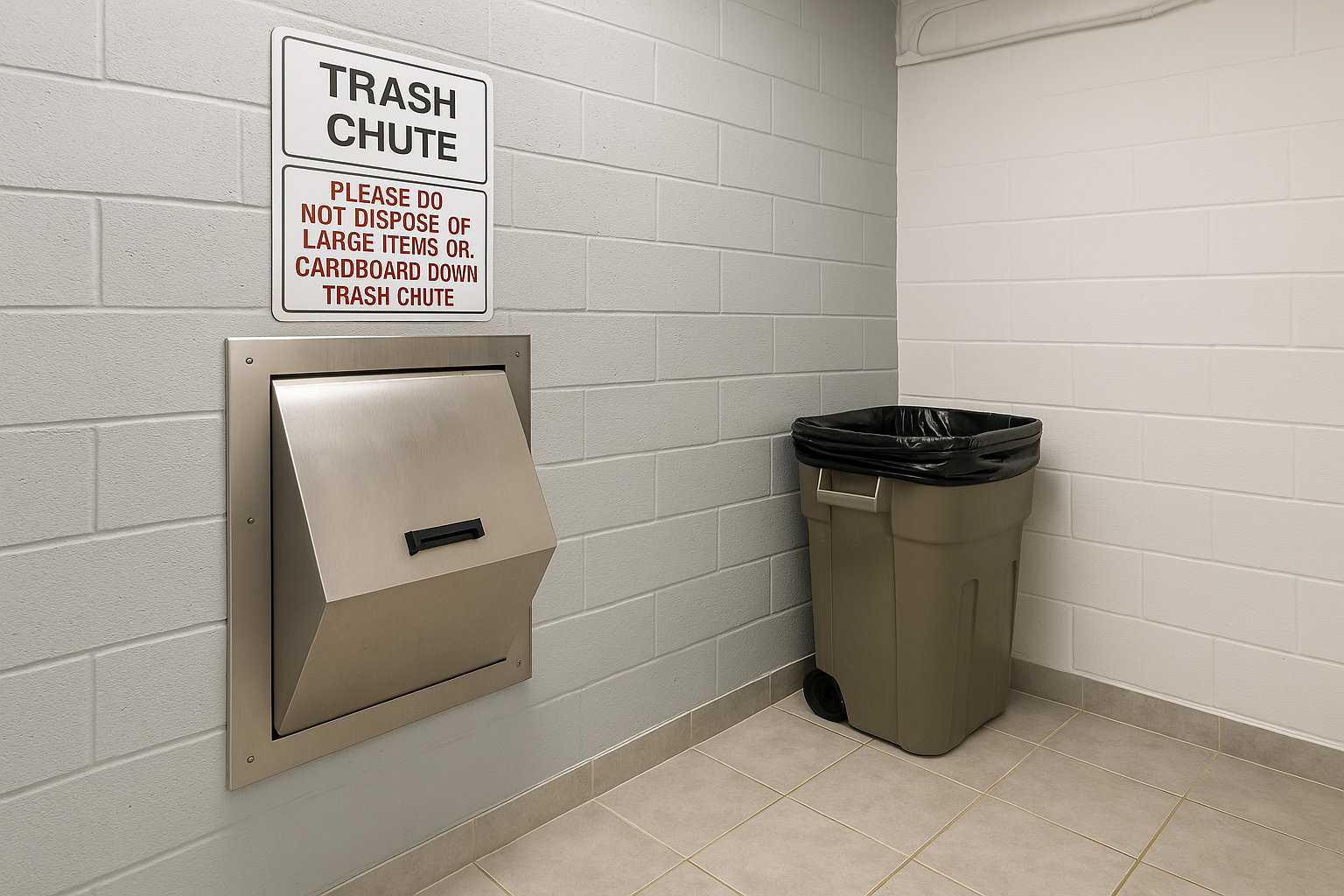
Trash Chute Maintenance in HOAs: Essential for Clean and Efficient Communities

Written by Heidi Hensell

January 29, 2026

Table of Contents

Share

Link copied to clipboard!

In multi-unit HOA communities, trash chutes provide residents with an easy and convenient way to dispose of waste. But while this amenity simplifies daily living, it also requires consistent oversight. Without proper maintenance, trash chutes can quickly become a source of unpleasant odors, pest problems, and costly repairs.

For community association managers, prioritizing trash chute care ensures a cleaner, safer, and more efficient environment for everyone.

Why Trash Chute Maintenance Matters

Trash chutes are used daily by dozens—or even hundreds—of residents. Over time, debris, food waste, and moisture can create odors, blockages, and sanitation issues if left unchecked. Poorly maintained chutes not only frustrate residents but can also lower the community’s overall appeal and property values.

By keeping these systems clean and functional, associations promote better hygiene, prevent pest infestations, and protect their investment in community infrastructure.

Best Practices for HOA Trash Chute Management

1. Schedule Regular Cleaning and Deodorizing
Professional chute cleaning removes buildup that causes odors and prevents bacteria growth. Deodorizing helps keep common areas pleasant for residents.

2. Conduct Routine Mechanical Inspections
Inspections identify wear and tear on chute doors, fire-rated closures, and compactor systems. Early detection avoids costly emergency repairs.

3. Provide Clear Resident Guidelines
Educating residents on what can and cannot be disposed of is critical. Large items, flammable materials, or improper waste often lead to clogs and equipment damage.

4. Communicate Regularly
Newsletters, emails, and signage near chute rooms remind residents of disposal rules and scheduled cleanings. This transparency fosters cooperation.

5. Partner with Reliable Vendors
Working with experienced maintenance providers ensures compliance with health and fire safety codes while extending the lifespan of the chute system.

Small Detail, Big Community Impact

Trash chute upkeep may seem like a minor detail compared to landscaping or pool maintenance, but it has a direct impact on resident satisfaction, property values, and community health. By managing trash chutes proactively, HOAs reinforce their commitment to creating a comfortable and well-maintained living environment.

Popular in the Community

ChatGPT Image Mar 10, 2026, 10_52_10 AM
Florida HB 657: What It Means for Community Association Residents
Explore advanced HOA and COA property management software features including resident portals, violation...
Learn more
Diverse friends are toasting green beer, celebrating st
St. Patrick’s Day in Your Florida HOA or COA: Celebrating Safely
Planning St. Patrick’s Day celebrations in a Florida HOA or COA? Learn how to stay compliant with community...
Learn more
Noise complaint Annoyed woman blocking ears with pillows on a couch
Noise Compliance in Florida COAs and HOAs: What Residents Should Know
Learn how noise compliance works in Florida HOAs and COAs, including quiet hours, local ordinances, and...
Learn more

Sewer Maintenance in HOAs: Protecting Community Health and Property Value
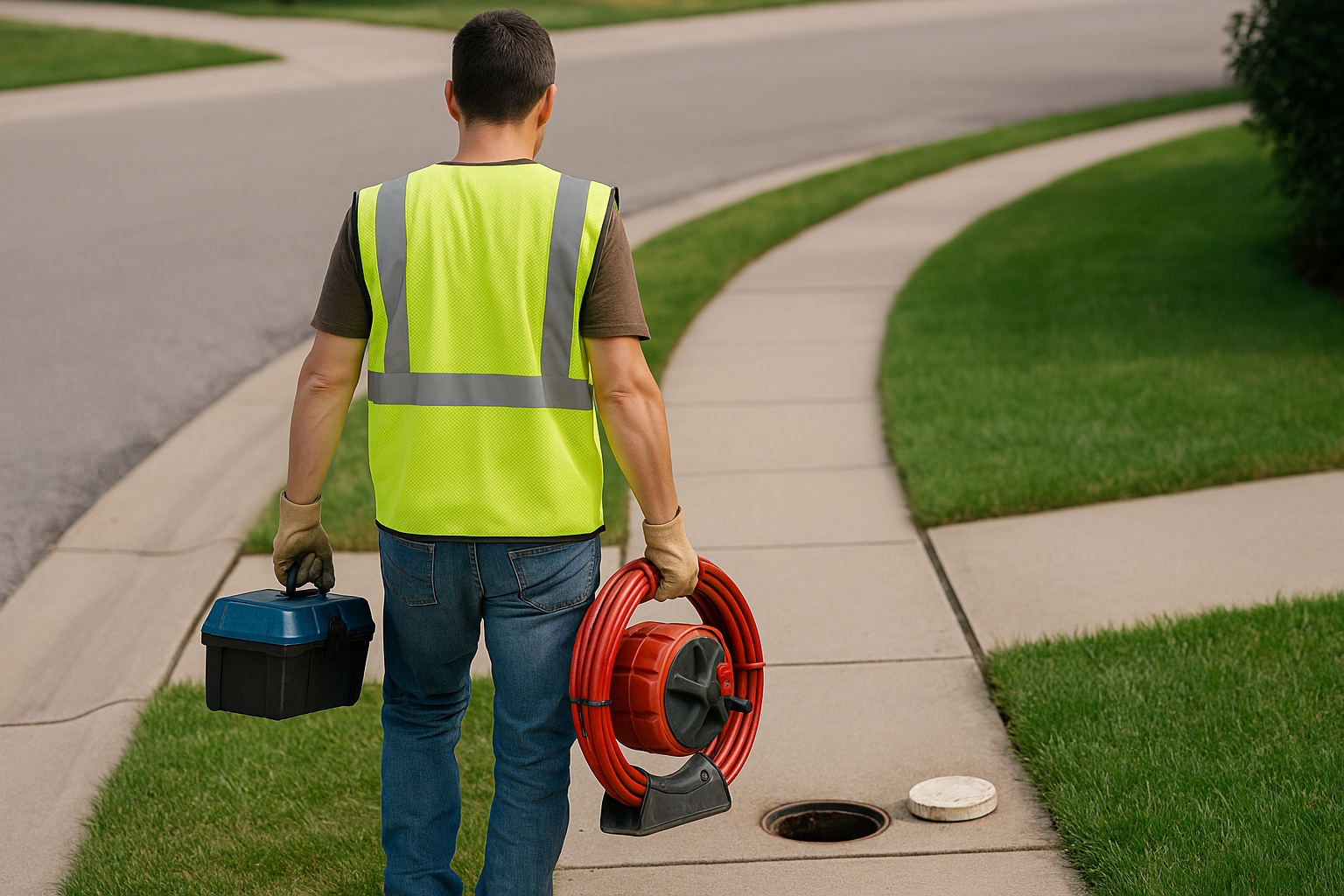
Sewer Maintenance in HOAs: Protecting Community Health and Property Value

Written by Heidi Hensell

January 28, 2026

Table of Contents

Share

Link copied to clipboard!

When it comes to community association management, sewers are often overlooked because they’re out of sight. Yet they’re one of the most critical pieces of infrastructure. Proper sewer maintenance prevents costly backups, property damage, and health hazards—issues that can quickly disrupt residents’ lives and drain association budgets.

Why Sewer Maintenance Matters

A neglected sewer system can result in blockages, leaks, and even flooding. These emergencies are not only expensive to remediate but can also lead to resident dissatisfaction and potential legal claims. By making sewer management a priority, HOAs protect both community health and property values.

Key Responsibilities for HOAs

  1. Clarify Ownership
    Associations should first determine which sewer lines fall under HOA responsibility and which are owned by individual homeowners. This prevents confusion during emergencies and ensures accountability.
  2. Schedule Inspections and Cleaning
    Routine inspections and preventive cleaning are essential. Early detection of clogs, cracks, or tree root intrusions can prevent larger, costlier issues.
  3. Partner with Professionals
    Work with licensed plumbing and sewer service providers to ensure high-quality maintenance and timely repairs. Establishing trusted vendor relationships can save time and reduce stress when emergencies occur.
  4. Communicate with Homeowners
    Educating residents about what should and shouldn’t go down drains helps prevent avoidable blockages. Clear communication about responsibilities also minimizes disputes when issues arise.

Long-Term Benefits

Proactive sewer management may not be glamorous, but it is vital for protecting community well-being, avoiding costly repairs, and maintaining smooth operations. Communities with well-maintained infrastructure build trust with residents and uphold strong property values.

In HOA management, sewer care is about more than pipes—it’s about safeguarding the health, safety, and satisfaction of the entire neighborhood.

Popular in the Community

ChatGPT Image Mar 10, 2026, 10_52_10 AM
Florida HB 657: What It Means for Community Association Residents
Explore advanced HOA and COA property management software features including resident portals, violation...
Learn more
Diverse friends are toasting green beer, celebrating st
St. Patrick’s Day in Your Florida HOA or COA: Celebrating Safely
Planning St. Patrick’s Day celebrations in a Florida HOA or COA? Learn how to stay compliant with community...
Learn more
Noise complaint Annoyed woman blocking ears with pillows on a couch
Noise Compliance in Florida COAs and HOAs: What Residents Should Know
Learn how noise compliance works in Florida HOAs and COAs, including quiet hours, local ordinances, and...
Learn more

Shutters and HOAs: Balancing Style, Function, and Community Standards
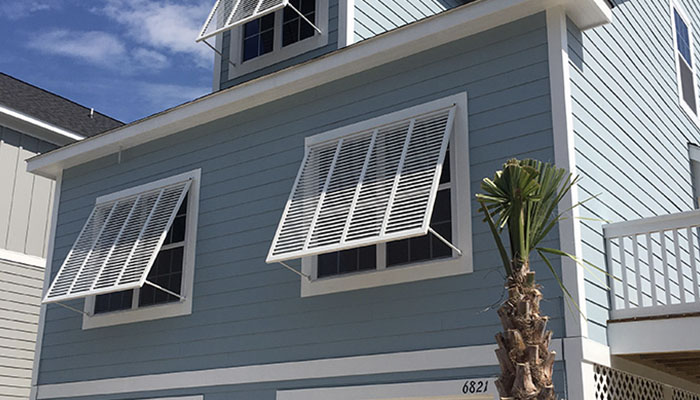
Shutters and HOAs: Balancing Style, Function, and Community Standards

Written by Heidi Hensell

January 27, 2026

Table of Contents

Share

Link copied to clipboard!

In many homeowners’ associations (HOAs), shutters play a surprisingly important role in shaping a neighborhood’s look and feel. While often seen as decorative, shutters serve multiple purposes: they protect windows, enhance curb appeal, and contribute to the architectural harmony that residents value.

Why Shutters Matter in Community Associations

Shutters aren’t just aesthetic touches—they’re part of the community’s overall identity. Consistent shutter styles and colors create visual cohesion, boosting curb appeal and protecting property values. Conversely, faded paint, broken hinges, or mismatched replacements can detract from the neighborhood’s appearance and reduce marketability.

Best Practices for HOAs Managing Shutters

1. Enforce Clear Design Guidelines
HOAs should include shutters in architectural standards, specifying approved colors, styles, and materials. This ensures homeowners know what’s acceptable before repairs or replacements.

2. Schedule Regular Inspections
Routine checks during community inspections can identify fading, damage, or neglected maintenance early—before issues become widespread.

3. Educate Homeowners
Provide reminders about repainting, cleaning, or repairing shutters. Homeowners are often unaware that regular upkeep prevents costly replacements down the road.

4. Approve Installations in Advance
Require prior approval for shutter replacements or upgrades. This maintains consistency and prevents mismatched or out-of-place designs.

Small Detail, Big Impact

For boards and community managers, shutters may seem like a small detail compared to major landscaping or structural projects. But these details matter. Consistent, well-kept shutters preserve property values, maintain community standards, and enhance the pride residents feel in their neighborhood.

In short, by keeping an eye on shutters, HOAs protect both the beauty and the value of the community—proving that small details often make the biggest difference.

Popular in the Community

ChatGPT Image Mar 10, 2026, 10_52_10 AM
Florida HB 657: What It Means for Community Association Residents
Explore advanced HOA and COA property management software features including resident portals, violation...
Learn more
Diverse friends are toasting green beer, celebrating st
St. Patrick’s Day in Your Florida HOA or COA: Celebrating Safely
Planning St. Patrick’s Day celebrations in a Florida HOA or COA? Learn how to stay compliant with community...
Learn more
Noise complaint Annoyed woman blocking ears with pillows on a couch
Noise Compliance in Florida COAs and HOAs: What Residents Should Know
Learn how noise compliance works in Florida HOAs and COAs, including quiet hours, local ordinances, and...
Learn more

Tenant Screening in Community Associations: Protecting Standards and Harmony

Tenant Screening in Community Associations: Protecting Standards and Harmony

Written by Heidi Hensell

January 26, 2026

Table of Contents

Share

Link copied to clipboard!

For community associations that allow rental properties, tenant screening is one of the most effective ways to protect community standards and long-term stability. By carefully vetting potential renters, associations help ensure that residents respect the rules, contribute positively to neighborhood harmony, and preserve property values.

Why Tenant Screening Matters

Poorly screened tenants can bring challenges such as late payments, property damage, or disruptive behavior. In contrast, a structured screening process reduces these risks and builds confidence that new residents will be good neighbors.

Tenant screening also helps safeguard property values. Stable, responsible tenants contribute to a stronger reputation for the community, making it more attractive to future buyers and investors.

Best Practices for Associations

1. Establish Clear Policies
Associations should adopt written tenant screening guidelines that comply with Fair Housing laws. Policies should outline what checks are allowed and how information will be used.

2. Conduct Background Checks
Criminal history, rental references, and employment verification help identify potential red flags before leases are signed.

3. Review Credit History
Credit evaluations provide insight into a tenant’s ability to pay rent on time and manage financial responsibilities.

4. Partner with Owners and Managers
Consistent screening across all rental units avoids loopholes and ensures fairness. Boards can collaborate with property managers or landlords to enforce uniform standards.

5. Communicate and Enforce Rules
Clear communication of community rules and rental policies reduces misunderstandings and minimizes conflict once tenants move in.

Building a Stable, Safe Community

Tenant screening isn’t just about filling units—it’s about safeguarding the community’s well-being. By taking a thoughtful, consistent approach, associations foster a safer, more harmonious living environment that benefits both owners and renters.

Popular in the Community

ChatGPT Image Mar 10, 2026, 10_52_10 AM
Florida HB 657: What It Means for Community Association Residents
Explore advanced HOA and COA property management software features including resident portals, violation...
Learn more
Diverse friends are toasting green beer, celebrating st
St. Patrick’s Day in Your Florida HOA or COA: Celebrating Safely
Planning St. Patrick’s Day celebrations in a Florida HOA or COA? Learn how to stay compliant with community...
Learn more
Noise complaint Annoyed woman blocking ears with pillows on a couch
Noise Compliance in Florida COAs and HOAs: What Residents Should Know
Learn how noise compliance works in Florida HOAs and COAs, including quiet hours, local ordinances, and...
Learn more

Garage Doors and Community Associations: Small Detail, Big Impact
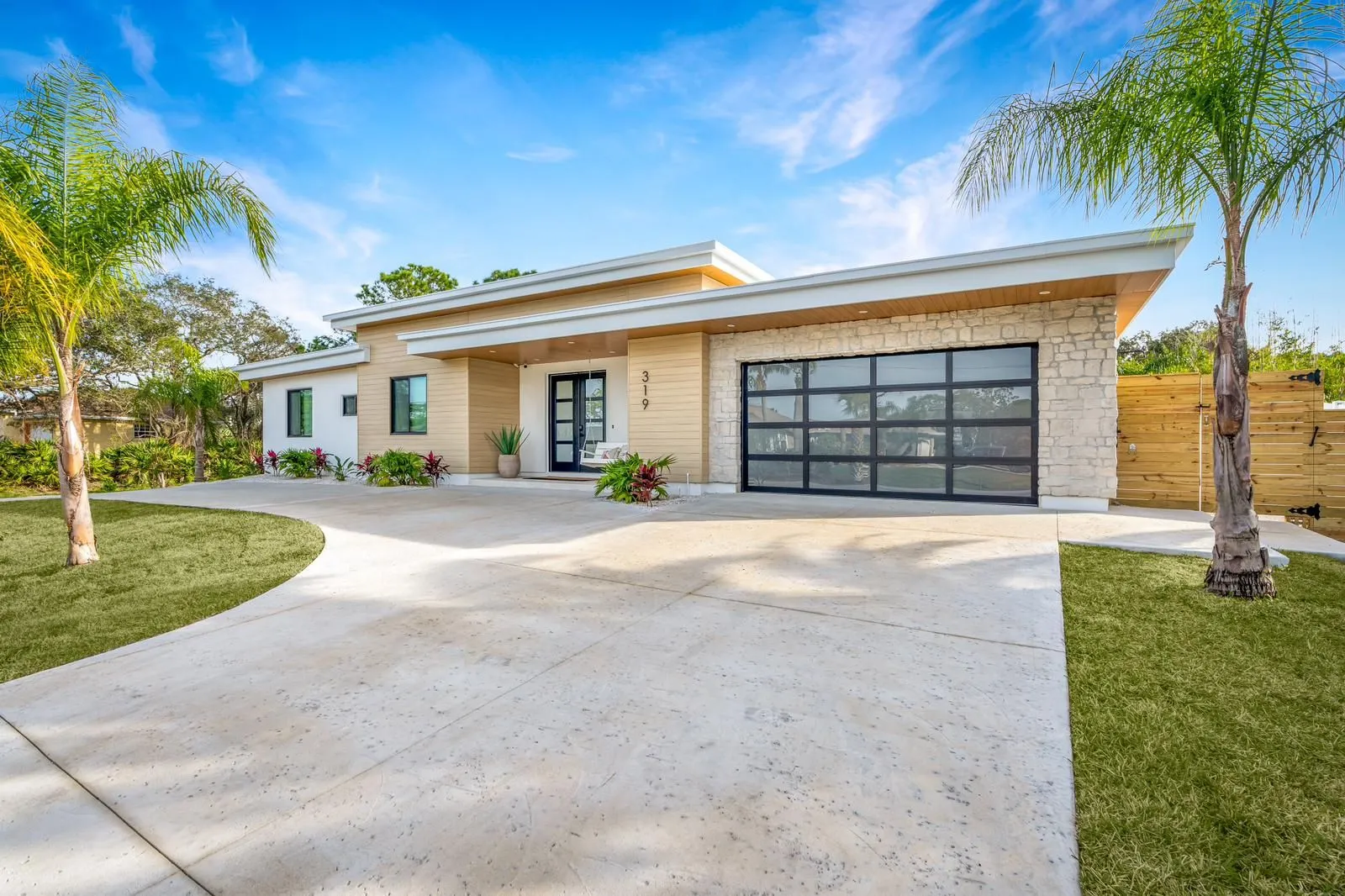
Garage Doors and Community Associations: Small Detail, Big Impact

Written by Heidi Hensell

January 23, 2026

Table of Contents

Share

Link copied to clipboard!

In many communities, garage doors are one of the most visible features of a home. They’re not just functional—they significantly affect a neighborhood’s overall curb appeal. That’s why garage door appearance and maintenance should be on every community association manager’s radar.

Why Garage Doors Matter

Faded paint, dents, or malfunctioning doors can quickly drag down the look of an entire street. In townhome and condo communities, where uniformity is often emphasized, poorly maintained garage doors stand out even more.

Beyond aesthetics, broken or malfunctioning garage doors also raise safety and security concerns, putting both residents and property at risk.

How Associations Can Manage Garage Doors Proactively

1. Include Garage Doors in Inspections
Routine property inspections should assess garage doors for condition, functionality, and compliance with community standards.

2. Enforce Design Guidelines
HOAs should have clear rules for garage door replacements, colors, or repainting to maintain a consistent community look.

3. Educate Homeowners
Provide reminders that garage doors are part of the home’s exterior and require upkeep. Seasonal checks, lubrication of moving parts, and fresh paint or finishes go a long way.

4. Offer Resources
Consider sharing a list of approved vendors or providing seasonal maintenance reminders through newsletters or community emails. This helps residents take action before small issues turn into big repairs.

A Detail That Protects Value

Whether it’s about appearance, function, or security, garage doors play a larger role in community living than many realize. Well-maintained doors enhance curb appeal, preserve property values, and reinforce the standards that make neighborhoods desirable places to live.

For community associations, keeping an eye on garage doors is a simple but effective way to protect both beauty and safety.

Popular in the Community

ChatGPT Image Mar 10, 2026, 10_52_10 AM
Florida HB 657: What It Means for Community Association Residents
Explore advanced HOA and COA property management software features including resident portals, violation...
Learn more
Diverse friends are toasting green beer, celebrating st
St. Patrick’s Day in Your Florida HOA or COA: Celebrating Safely
Planning St. Patrick’s Day celebrations in a Florida HOA or COA? Learn how to stay compliant with community...
Learn more
Noise complaint Annoyed woman blocking ears with pillows on a couch
Noise Compliance in Florida COAs and HOAs: What Residents Should Know
Learn how noise compliance works in Florida HOAs and COAs, including quiet hours, local ordinances, and...
Learn more
Next Page » « Previous Page