Copyright © Kaloop 2025 All Right Reserved

Written by Heidi Hensell
January 8, 2026
For many community associations, shared spaces like clubhouses, pools, and outdoor pavilions are the heart of neighborhood life. These areas host everything from private birthday parties to community-sponsored events. Naturally, the question of alcohol in common areas often arises—and with it, the challenge of balancing resident enjoyment with liability protection.
Handled thoughtfully, alcohol policies can support a vibrant social culture while minimizing risk. For association boards, the key lies in establishing clear guidelines, consistent enforcement, and proper insurance coverage.
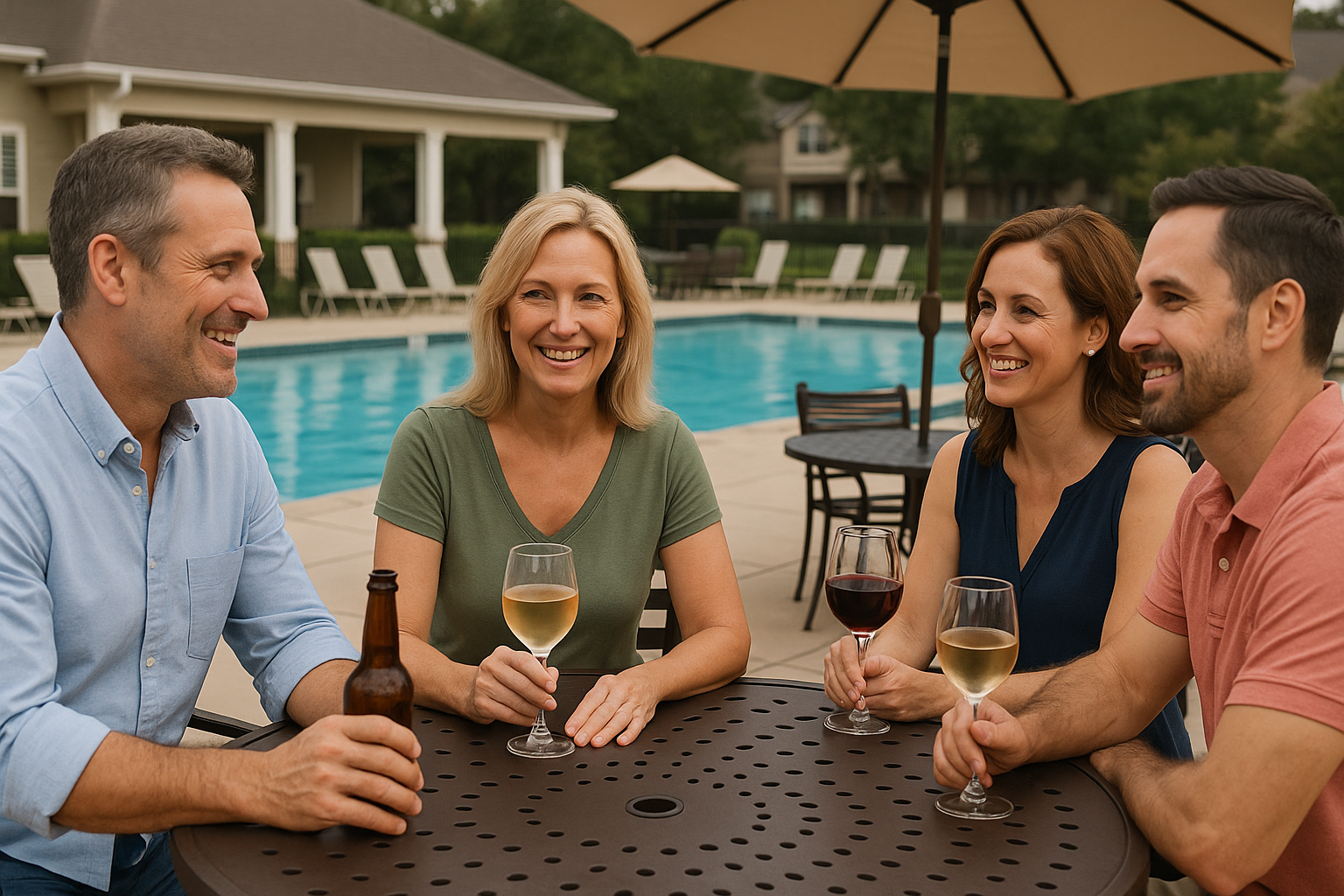
Allowing alcohol in common areas can elevate the social atmosphere, encouraging residents to relax and connect. From holiday mixers at the clubhouse to casual weekend gatherings by the pool, these occasions can strengthen community bonds.
At the same time, alcohol brings potential safety, legal, and insurance concerns. Without clear policies, associations may face liability issues if an incident occurs. The goal is not to discourage social activity, but to ensure that it happens in a safe and responsible way.
1. Clear Policies
Associations should establish written rules that outline where alcohol is permitted, whether approval is required, and who assumes responsibility during events. Rules should also specify whether alcohol is limited to designated areas or allowed throughout certain facilities.
2. Private vs. Community Events
Policies may need to distinguish between resident-hosted events and association-sponsored gatherings. For example, a private birthday party at the clubhouse may require a separate permit or an insurance rider, while an HOA-sponsored holiday party may already fall under the association’s insurance policy.
3. Liability Protection
Serving alcohol increases the risk of accidents and injuries. Boards should consult with their insurance providers to confirm that the community is properly covered. In some cases, requiring event hosts to sign liability waivers or purchase event-specific insurance can protect the association.
4. Age Restrictions and Safety
Strict enforcement of age laws is critical. Associations should also establish additional safety guidelines, such as prohibiting alcohol near fitness centers or ensuring extra supervision when alcohol is served at poolside events.
At the core, alcohol policies are about protecting both residents and the community as a whole. By setting clear expectations and encouraging responsible use, boards can foster a welcoming social environment without compromising on safety or compliance.
When in doubt, transparency, communication, and consistency are the most valuable tools for any association. With the right balance, communities can enjoy lively gatherings while safeguarding the well-being of all residents.