Copyright © Kaloop 2025 All Right Reserved

Written by Heidi Hensell
December 5, 2025
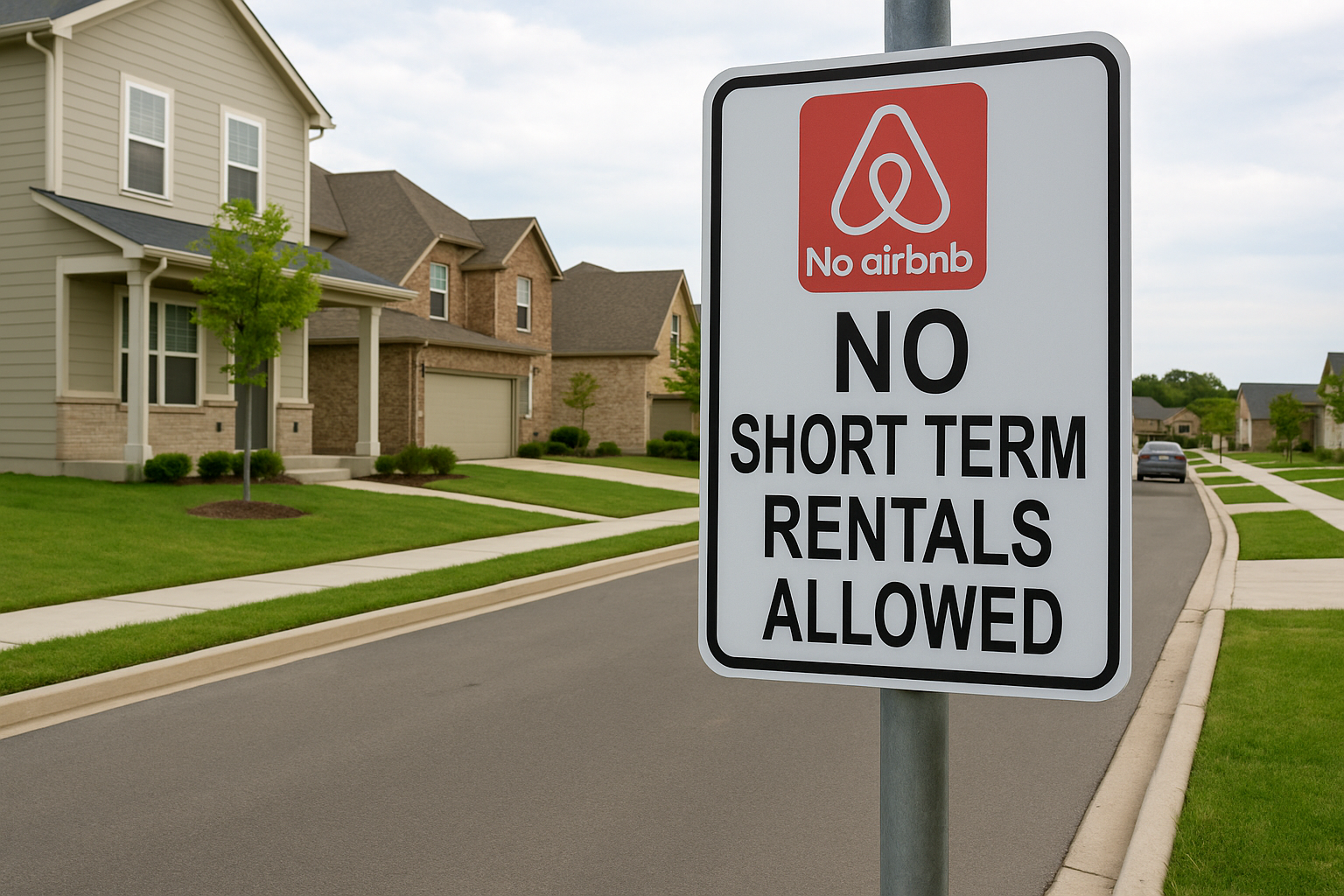
The surge in Airbnb and other short-term rental platforms has put community association managers in a challenging position—balancing individual property-owner rights with shared goals like maintaining community character and preserving property values. Florida’s updated Community Association Manager (CAM) statute now provides clearer guidance on how associations can responsibly regulate rentals without overstepping legal boundaries.
The updated Florida CAM statute—particularly Sections 468.432 and 468.4334 of the Florida Statutes—lays down critical requirements:
Licensing & Professional Standards (F.S. 468.432 & 468.4334):
Community association managers and management firms must be properly licensed, uphold ethical practices, comply with contract standards, and include a statement of professional conduct in management contracts
Enforcement Capabilities:
The statute gives associations the legal backing to enforce reasonable rules regarding safety, community cohesion, and short-term rental practices, aligning with their governing documents
Airbnb and similar platforms can raise concerns such as increased noise, parking congestion, security risks, and heightened wear on shared resources. These issues can influence neighborhood character and property values.
Florida law supports association regulation of short-term rentals through:
Governing Documents: Restrictions must be rooted in declarations, bylaws, or rules that owners were informed of upon purchase.
Statutory Protections & Limits:
While associations can set reasonable restrictions, local governments are limited from banning or tightly regulating short-term rentals—per F.S. §509.032(7)(b), local rules cannot ban or control frequency/duration unless established before June 1, 2011.
Document Amendments & Grandfathering:
The Florida Supreme Court upheld amendments restricting leasing durations when properly adopted, and F.S. §718.110(13) allows such amendments to apply to consenting owners or new buyers—but provides grandfathering for others.
Review Your Governing Documents
Confirm existing rules around rental terms, registration, and approval. New restrictions typically require formal amendments.
Leverage the Statute’s Authority
Use the CAM statute to justify and enforce policies that align with safety, accessibility, and integrity concerns.
Establish Clear, Enforceable Rental Rules
Consider rules such as minimum rental durations, tenant registration, occupancy limits, or short-term rental bans (if your documents allow).
Communicate and Enforce Transparently
Keep residents updated on policy changes. Apply rules uniformly to maintain fairness and legal defensibility.
Consult Legal Counsel When Needed
Due to evolving case law and regulatory nuances, a Florida community association law specialist can ensure policies are both effective and compliant.
Florida’s updated CAM statute gives communities stronger grounds to address short-term rental issues—empowering associations to maintain neighborhood stability while respecting property rights. By staying proactive and well-informed, community managers and boards can navigate this evolving legal landscape with confidence.