Awnings in Community Associations: Balancing Shade, Style & Aesthetic Standards

Written by Heidi Hensell

October 28, 2025

Table of Contents

Share

Link copied to clipboard!

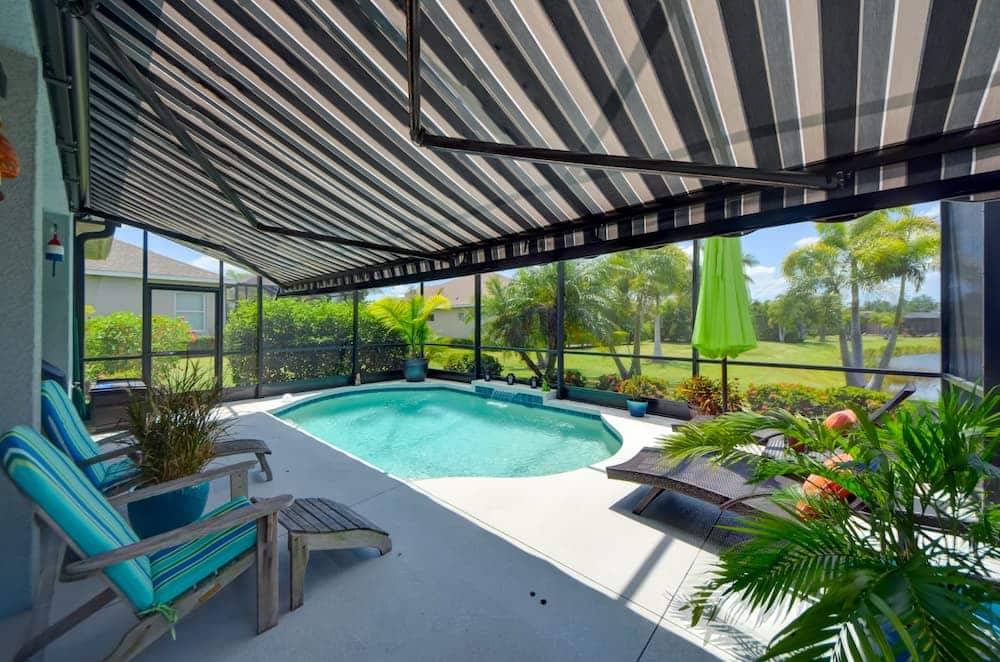
Awnings may appear simple, but in community association management, they touch on key areas: aesthetics, functionality, and compliance. Whether placed over patios, balconies, or windows, awnings offer sun protection and enhance comfort—when managed with clear guidelines.

Why Awnings Matter

Awnings bring several practical and aesthetic advantages. They provide shade, boost energy efficiency, and shield outdoor spaces from rain or intense sunlight, making patios and balconies more livable. However, if installed haphazardly, they can disrupt architectural cohesiveness and diminish community appeal.

Key Management Considerations

  • Architectural Guidelines
    Associations should maintain design rules that specify permitted awning colors, materials, sizes, and placement. This clarity maintains neighborhood harmony and prevents mismatched or unsightly installations.

  • Approval Processes
    Homeowners must submit installation requests to architectural review committees before proceeding. This approval helps ensure compliance and avoids conflicts or removal orders.

  • Maintenance & Responsibility
    It’s important to clarify whether awning upkeep is the homeowner’s or the association’s duty. Including this in governing documents minimizes ambiguity and ensures longevity.

  • Vendor Recommendations
    To preserve standards and simplify the process, associations can maintain a list of approved awning vendors or recommend specific design specifications for residents.

Broader Benefits of Thoughtful Awnings

Awnings do more than add shade. Retractable models can reduce indoor temperatures—sometimes by up to 15°F—resulting in energy savings and improved comfort. Durable materials, such as aluminum, can last decades and even provide storm protection.

Thoughtfully installed awnings enhance comfort and property value while demonstrating eco-conscious practices and reinforcing architectural harmony.

Creation of Visual Consistency

By balancing homeowner expression with community aesthetics, associations protect both the look and the value of the neighborhood.

Conclusion

When properly regulated, awnings boost both living quality and neighborhood appeal. By implementing clear architectural rules, formal approval workflows, and maintenance clarifications, associations encourage functional upgrades without sacrificing visual coherence. A well-managed awning is more than a feature—it’s a mark of thoughtful community stewardship.

Popular in the Community

ChatGPT Image Mar 11, 2026, 03_41_06 PM
Why Great Property Management Companies Are the Backbone of Successful HOA and Condo Communities
Discover why strong property management companies are essential for successful HOA and condo communities,...

Learn more
ChatGPT Image Mar 11, 2026, 03_23_57 PM
HOA Reserve Planning: How “Board Paralysis” Can Cost Communities Thousands
Learn how board hesitation on reserve studies can lead to costly repairs and special assessments in HOA...

Learn more
ChatGPT Image Mar 11, 2026, 02_54_48 PM
Newspaper Subscriptions in Condominium Associations: Old Habit or Modern Amenity?
Are newspaper subscriptions still a valuable amenity for condominium associations? Explore the costs,...
Learn more