Keeping Communities Comfortable: Smart HVAC Practices for HOAs

Written by Heidi Hensell

September 2, 2025

Table of Contents

Share

Link copied to clipboard!

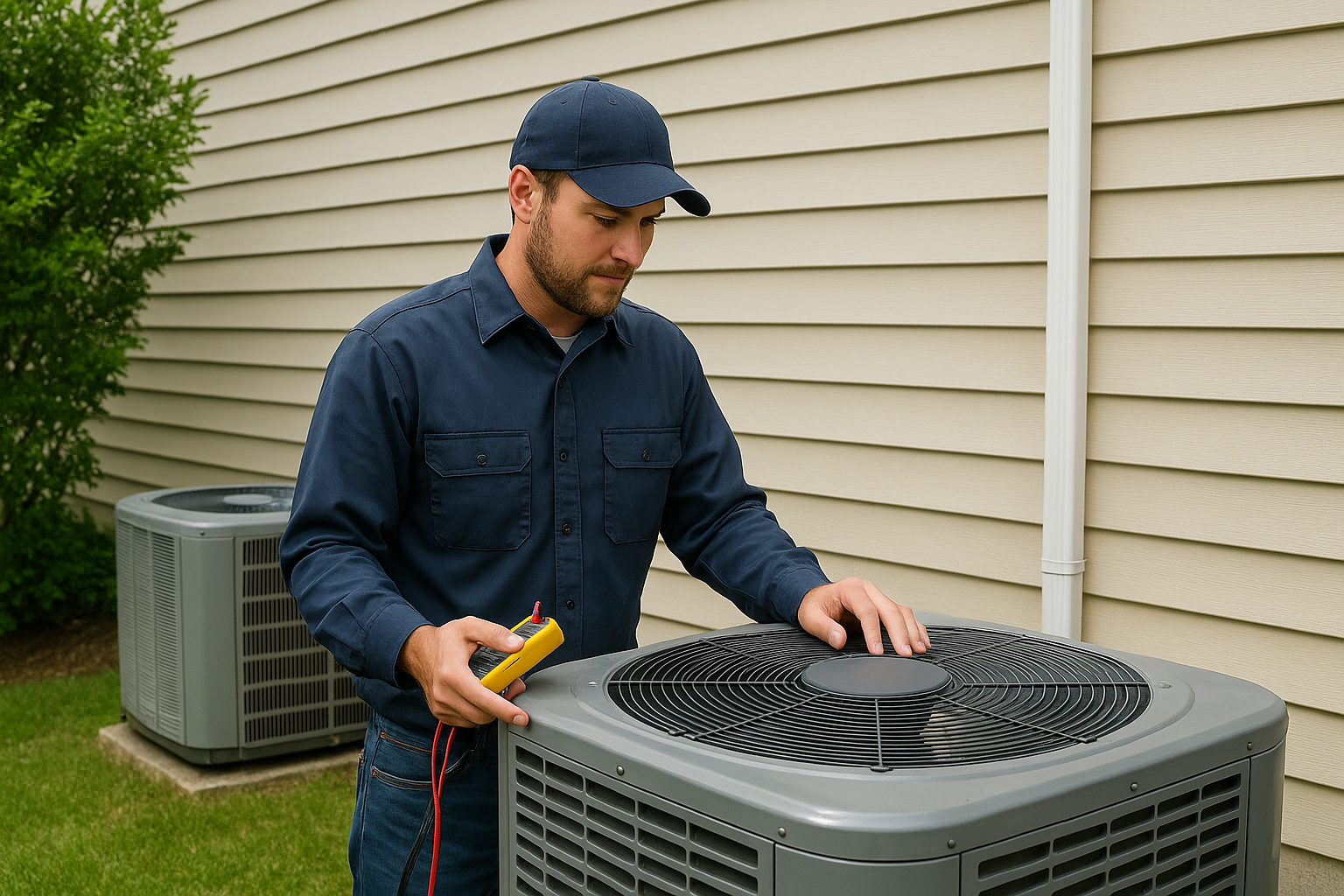
HVAC systems are the unsung heroes of community comfort, health, and energy efficiency. For homeowners’ associations—whether HOAs, condominiums, or co-ops—regular HVAC upkeep isn’t just about temperature control—it’s a strategic element of preserving property value, enhancing resident satisfaction, and ensuring long-term cost savings.

Why HVAC Matters for HOAs

Shared systems in condominiums or townhomes become communal assets, making their maintenance a collective responsibility. When neglected, HVAC systems can cause elevated energy expenses, inconsistent temperatures, frequent breakdowns, and even poor indoor air quality. Embracing proactive HVAC best practices helps associations stabilize budgets, extend equipment lifespan, and enhance residents’ daily comfort.

Clarifying Maintenance Responsibility

One common challenge: determining who foots the bill. For shared HVAC systems and ductwork in common areas, the HOA typically assumes responsibility. Meanwhile, individual units with private systems generally fall under the homeowner’s purview. However, complexities arise when shared ducts cross into private areas—here, boards must review their CC&Rs and governing documents for guidance.

The Power of Preventive Maintenance

Proactive HVAC maintenance is a cornerstone of cost control and system longevity:

  • Regular inspections and servicing help detect issues early, reducing emergency calls and unexpected expenses.

  • Ensuring clean filters, sealed ductwork, and well-lubricated components improves energy efficiency and ensures smooth operation when it matters most

Budgeting & Reserve Planning

HVAC upkeep represents a key operating and reserve expense. Boards should incorporate HVAC planning into reserve studies, ensuring timely replacement without financial strain. This forward planning keeps communities resilient and avoids special assessments when equipment fails.

Resident Engagement & Clear Communication

An informed community is an empowered one. HOAs can boost HVAC performance by:

  • Advising residents on filter changes and optimal thermostat practices.

  • Clearly outlining who handles what—preventing confusion about maintenance duties and coverage.
    Regular communication builds trust and encourages residents to contribute to collective comfort goals.

Conclusion

HVAC systems do more than regulate temperature—they uphold resident comfort, safeguard health, and uphold community value. By defining maintenance roles, investing in preventive care, budgeting proactively, and engaging homeowners, HOAs can foster efficient, comfortable, and resilient environments. When HVAC systems run smoothly, the entire community benefits.

Popular in the Community

Noise complaint Annoyed woman blocking ears with pillows on a couch
Noise Compliance in Florida COAs and HOAs: What Residents Should Know
Learn how noise compliance works in Florida HOAs and COAs, including quiet hours, local ordinances, and...
Learn more
Friends socializing and enjoying a backyard BBQ, grilling food at a summer cookout
BBQ Pits and “Public” Bathrooms in COAs: Balancing Fun and Responsibility
BBQ pits and public bathrooms can enhance COA living. Learn how rules, maintenance, and shared responsibility...
Learn more
AdobeStock_1873297514 (1)
Before You Buy in Florida — Why You Should Read the Governing Documents First
Buying in a Florida HOA or COA? Learn why reviewing governing documents, fees, leasing rules, and restrictions...
Learn more