Copyright © Kaloop 2025 All Right Reserved

Written by Heidi Hensell
November 27, 2025
Homeowners’ associations (HOAs) and condominium associations (COAs) prioritize creating safe, welcoming environments. While no community is entirely free from crime, proactive strategies and thoughtful security planning can significantly reduce risks and uplift residents’ peace of mind. Every incident, no matter how minor, can affect trust and property value—so vigilance and structure matter.
Crime within community associations can include theft, vandalism, car break-ins, fraud, cybercrime, or even neighbor disputes. Crime rates differ broadly based on location and demographics, but even in low-risk areas, a single incident may create widespread anxiety.
Community Association Managers (CAMs) may not be law enforcement, but they play a pivotal role in safety. They serve as connectors—liaising with boards, residents, local police, and security services. Responsibilities often include coordinating security protocols, ensuring access points are well-maintained, and educating residents on safety policies.
Engage professionals to evaluate safety measures—checking lighting in common areas, testing gate systems, and validating that cameras and alarms work properly.
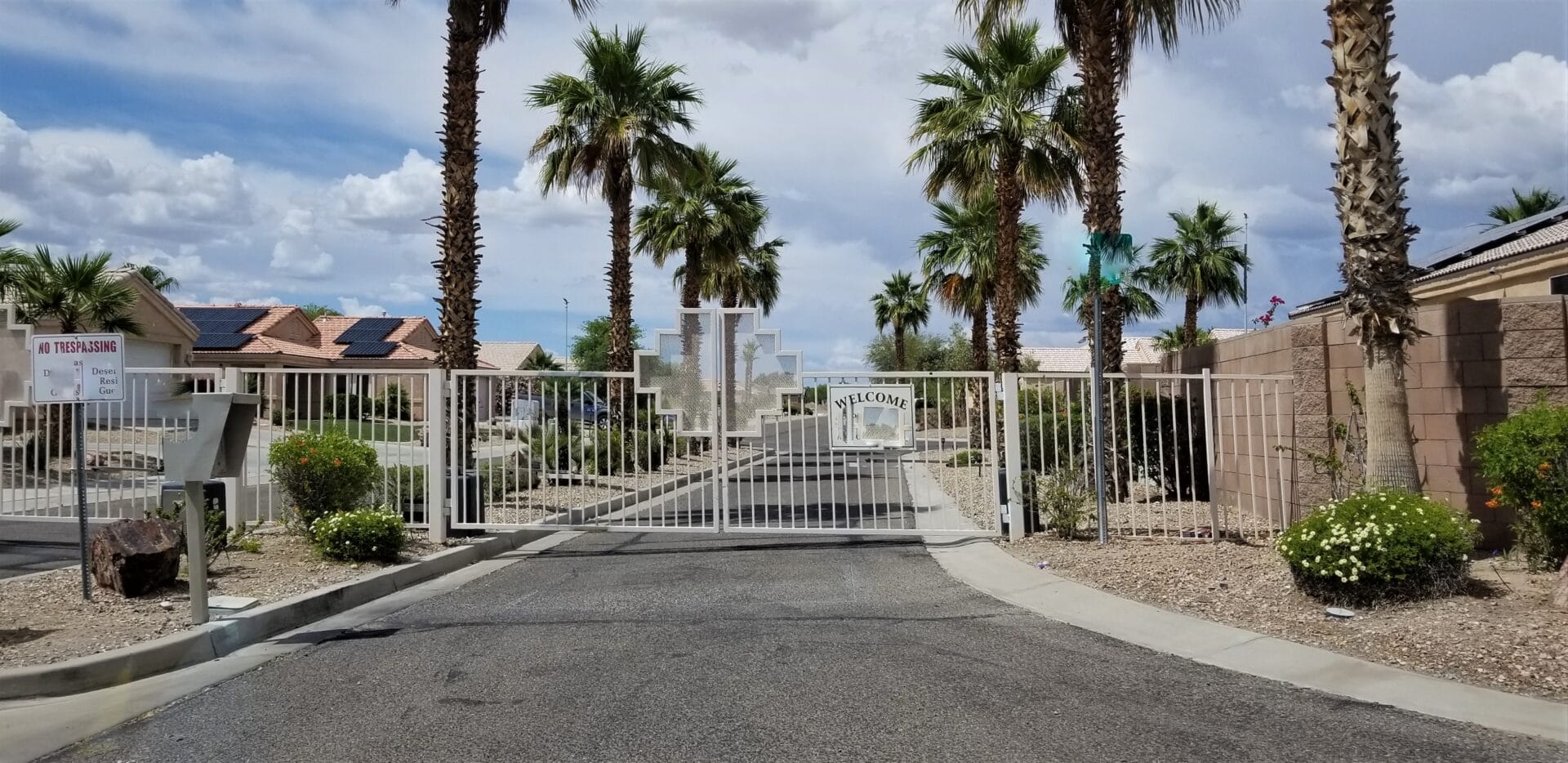
Features like gated entries, key fobs, or visitor registration systems reduce unauthorized access. Regularly updating codes and reviewing vendor access policies helps close security loopholes.
A strong relationship with local police not only speeds emergency response—but also enables community safety briefings or outreach programs, fostering collaboration.
Community safety is most effective when supported by everyone. Neighborhood watch groups, safety workshops, and systems for reporting suspicious behavior create vigilant, informed residents. Residents should also be encouraged to practice simple habits like keeping common areas well-lit and reporting even minor concerns.
Install smart cameras, license plate readers, and use mobile or email alerts to quickly communicate incidents or updates. These tools enhance response times and documentation.
Define rules for visitor access, parking, and community conduct. Ensure they’re consistently enforced—this clarity deters crime and fosters a fair environment.
Overly restrictive measures can make residents feel unwelcome in their own homes. The goal is to strike a balance—enforcing security while preserving a comfortable, inviting community atmosphere.
Consider integrating Crime Prevention Through Environmental Design (CPTED) principles into community planning. For example:
Use well-lit pathways and public spaces to improve visibility.
Implement shared common areas to increase foot traffic and natural surveillance.
Maintain landscaping to avoid neglected spaces that could invite crime.
Crime prevention within HOAs and COAs demands foresight, collaboration, and ongoing effort. By conducting regular assessments, building law enforcement partnerships, empowering residents, using smart tools, and implementing clear policies, CAMs can cultivate safe, trusting—and thriving—communities.