Elevators in HOAs and COAs — What Residents and Boards Should Know

Written by Heidi Hensell

November 13, 2025

Table of Contents

Share

Link copied to clipboard!

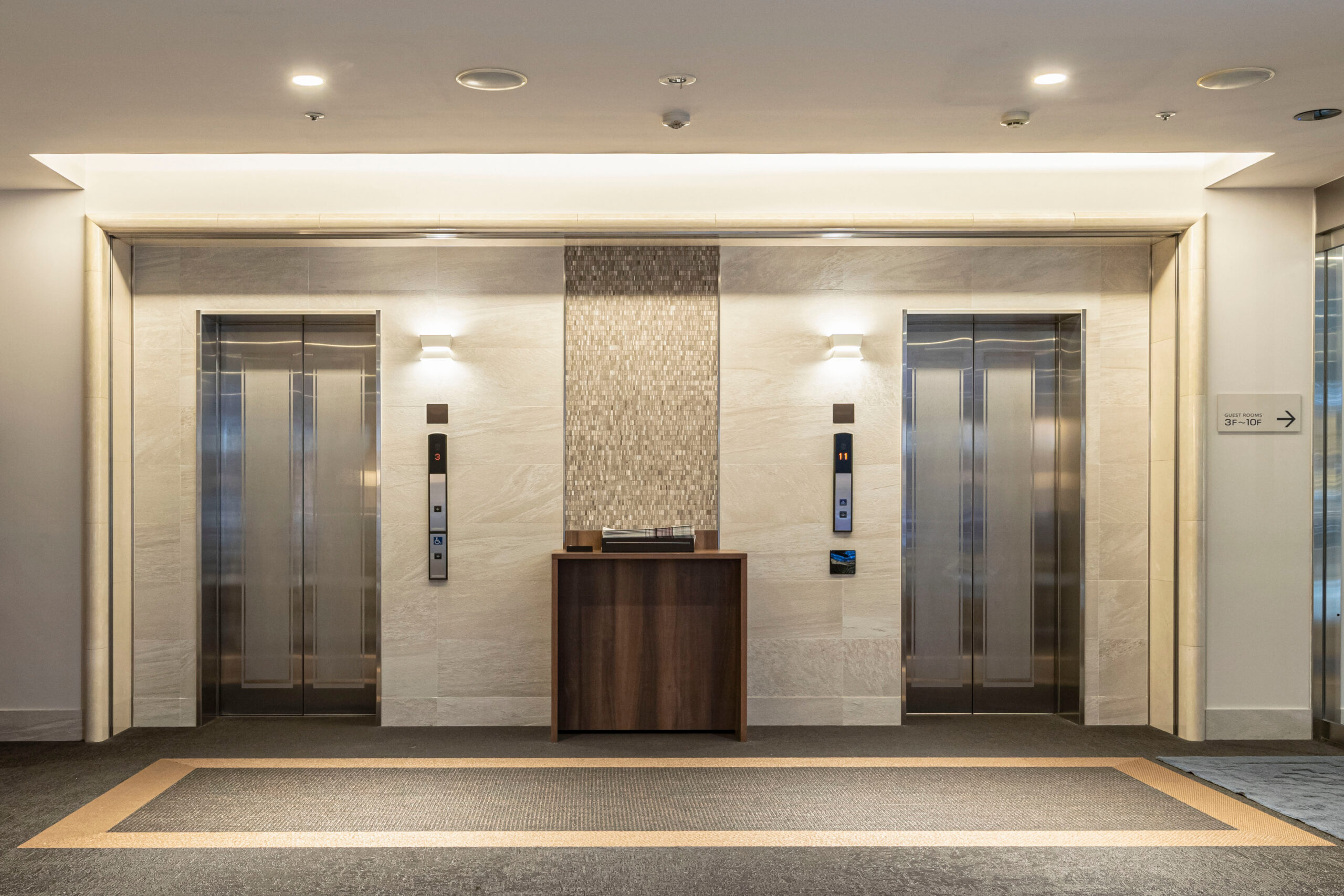
Elevators in multi-story residential communities—whether in HOAs or COAs—are more than conveniences; they’re essential infrastructure ensuring accessibility, safety, and day-to-day functionality. This article outlines key responsibilities both residents and board members should understand to ensure elevator systems are well-managed, safe, and compliant.

Who Handles Elevator Maintenance?

Elevators are typically deemed common elements under Florida law, meaning that the HOA or COA holds responsibility for their maintenance, repairs, and upgrades—not individual unit owners. This duty includes arranging regular inspections and addressing safety concerns.

Core Responsibilities for Associations

1. Scheduled Maintenance & Inspections

Licensed professionals must perform regular inspections—usually annually—to comply with Florida Statutes, especially under Chapter 399 involving the Division of Hotels & Restaurants Florida Condo & HOA Law Blog+2Florida Condo & HOA Law Blog+2.

2. Budgeting & Reserve Funding

Elevator repairs or replacements are substantial. Complete replacements can range from $150,000 to $250,000 per elevator, depending on building height and complexity. Proactive reserve planning avoids sudden financial burdens and possible special assessments.

3. Compliance with Safety & Accessibility Laws

Elevators must meet ADA standards and building code requirements, including accessibility features like braille buttons, audio floor indicators, and wheelchair access.

4. Emergency Protocols

Associations should display clear emergency procedures, contact information, and provide solutions for residents who rely on elevator services during malfunctions.

5. Transparent Communication

When elevators go offline for upgrades or repairs, promptly inform residents of schedules, expected timelines, delays, and available alternatives.

Why This Matters

  • Safety and Accessibility: Reliable elevators are critical for residents with limited mobility and ensure freedom of movement within the community.

  • Financial Stability: Routine maintenance is more cost-effective than emergency repairs—neglect can result in far heavier expenses.

  • Compliance and Legal Liability: Meeting inspection and accessibility mandates helps avoid costly penalties and legal issues.

  • Resident Trust: Regular upkeep and clear communication foster confidence in the board’s management capabilities.

Popular in the Community

ChatGPT Image Mar 10, 2026, 02_51_07 PM
What’s New with Florida Statute Chapter 719? Updates for Cooperative Associations
Learn the latest developments in Florida Statute Chapter 719, the Florida Cooperative Act, including...
Learn more
ChatGPT Image Mar 10, 2026, 02_30_22 PM
Understanding Florida Statute Chapter 720: What HOA Boards and Homeowners Should Know in 2026
Learn the latest developments in Florida Statute Chapter 720 governing HOAs, including transparency rules,...
Learn more
ChatGPT Image Mar 5, 2026, 04_54_40 PM
Property Management Software for HOAs and COAs: Improving Transparency and Efficiency (Part 2)
Discover how property management software helps HOAs and COAs streamline communication, finances, maintenance,...
Learn more